cfrp plate
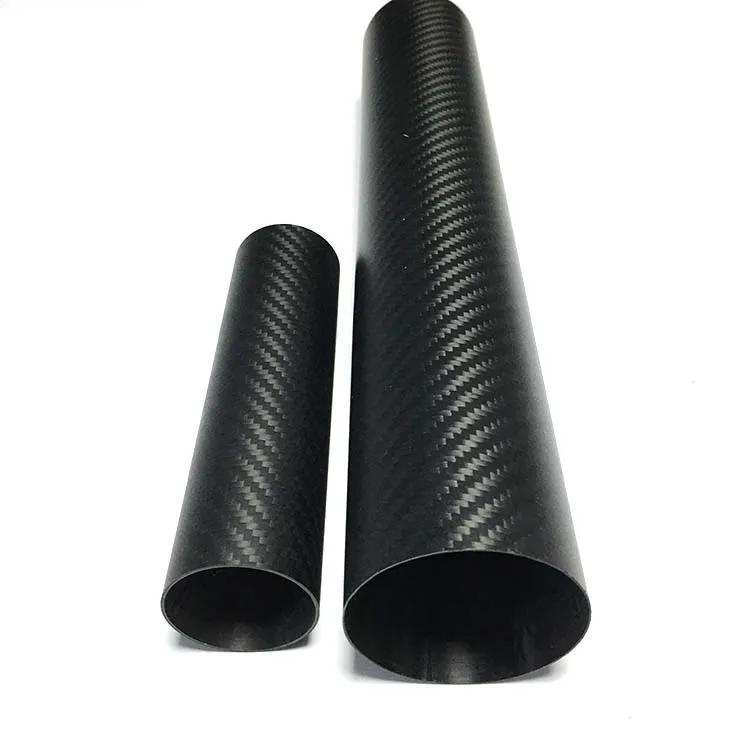
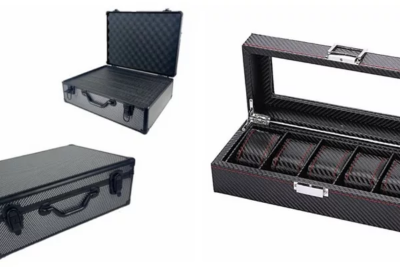
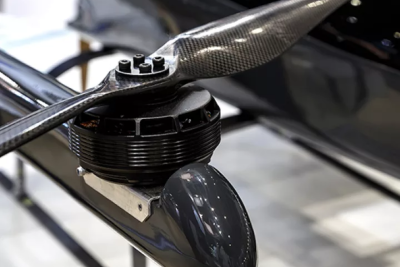
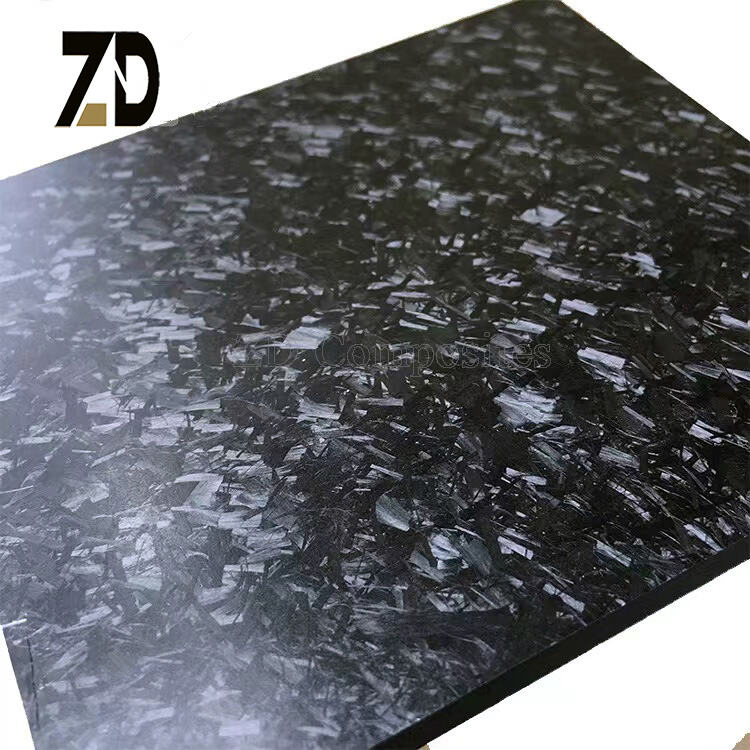
Carbon Fiber Reinforced Polymer (CFRP) plates represent a revolutionary advancement in composite material technology, offering exceptional strength-to-weight ratios that surpass traditional construction materials. These engineered plates consist of carbon fiber strands embedded within a polymer matrix, creating a lightweight yet incredibly durable structural component. The manufacturing process involves carefully layering carbon fiber sheets and saturating them with epoxy or other polymer resins before curing under controlled temperature and pressure conditions. This meticulous production method ensures optimal fiber alignment and resin distribution, resulting in superior mechanical properties. The main functions of CFRP plates include structural reinforcement, load bearing, and providing enhanced durability in various applications. Their primary technological features encompass high tensile strength, excellent corrosion resistance, dimensional stability, and remarkable fatigue resistance. Unlike steel or aluminum alternatives, CFRP plates maintain their structural integrity even under extreme environmental conditions, making them ideal for harsh industrial environments. The material exhibits exceptional resistance to chemical degradation, moisture absorption, and temperature fluctuations. Applications span across multiple industries including aerospace, automotive, marine, construction, and renewable energy sectors. In aerospace applications, CFRP plates contribute to aircraft fuselage construction, wing components, and interior panels where weight reduction directly impacts fuel efficiency. The automotive industry utilizes these plates for body panels, chassis components, and safety structures that require both strength and weight optimization. Marine applications benefit from the corrosion-resistant properties of CFRP plates in hull construction, deck reinforcement, and structural components exposed to saltwater environments. Construction projects incorporate CFRP plates for building retrofits, bridge reinforcement, and seismic upgrades where traditional materials would add excessive weight. The renewable energy sector employs CFRP plates in wind turbine blade construction and solar panel mounting systems, taking advantage of their durability and weather resistance.
 ×
×

 EN
EN