Premium Carbon Fiber Drone Plates - Ultra-Lightweight Structural Components for Superior Flight Performance

Get a Free Quote

Our representative will contact you soon.
Email
Name
Company Name
Message
0/1000

carbon fiber plate for drone structure

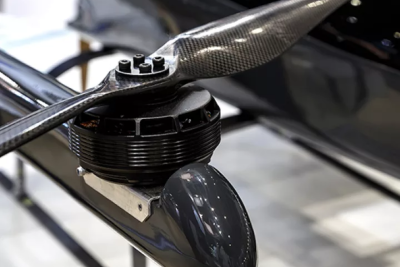
The carbon fiber plate for drone structure represents a revolutionary advancement in unmanned aerial vehicle construction, offering superior performance characteristics that transform how drones operate across various industries. This lightweight yet incredibly strong material serves as the backbone for modern drone frames, providing exceptional structural integrity while maintaining optimal weight distribution. Carbon fiber plates are engineered using advanced composite materials that combine carbon fibers with polymer resins, creating a matrix that delivers unparalleled strength-to-weight ratios. The manufacturing process involves precise layering of carbon fiber sheets in specific orientations, followed by high-pressure molding and curing procedures that ensure consistent quality and performance. These plates function as primary structural components, supporting critical drone systems including flight controllers, batteries, cameras, and propulsion units. The material's inherent properties make it ideal for withstanding the dynamic stresses encountered during flight operations, including vibrations, impact forces, and environmental conditions. The carbon fiber plate for drone structure exhibits remarkable resistance to fatigue, ensuring long-term durability even under continuous operational demands. Its low thermal expansion coefficient maintains dimensional stability across temperature variations, while excellent electromagnetic properties prevent interference with onboard electronics. The modular design capabilities of carbon fiber plates enable manufacturers to create customizable drone configurations for specific applications, from commercial photography to industrial inspections. Advanced surface treatments and protective coatings enhance weather resistance, making these plates suitable for outdoor operations in challenging environments. The precision manufacturing tolerances achievable with carbon fiber technology allow for tight component integration, resulting in streamlined aerodynamic profiles that improve flight efficiency. Modern carbon fiber plates incorporate innovative design features such as integrated mounting points, cable management channels, and vibration dampening zones that simplify assembly processes while enhancing overall system performance and reliability.

New Product Releases

The carbon fiber plate for drone structure delivers exceptional benefits that significantly enhance drone performance, operational efficiency, and total cost of ownership for users across all experience levels. The primary advantage lies in its remarkable weight reduction capabilities, with carbon fiber plates weighing up to 70 percent less than traditional aluminum alternatives while maintaining superior structural strength. This weight savings directly translates to extended flight times, increased payload capacity, and improved maneuverability, allowing operators to accomplish more tasks per flight cycle. The enhanced strength characteristics of carbon fiber plates provide superior crash resistance and impact absorption, protecting valuable onboard equipment and reducing repair costs. Users experience improved flight stability due to the material's excellent vibration dampening properties, which minimize camera shake and ensure crisp image capture during aerial photography and videography missions. The corrosion resistance of carbon fiber plates eliminates concerns about rust and degradation, particularly beneficial for operators working in marine environments or areas with high humidity levels. Maintenance requirements are substantially reduced compared to metal alternatives, as carbon fiber plates resist fatigue and maintain their structural integrity over thousands of flight cycles without showing signs of wear. The electromagnetic transparency of carbon fiber allows for optimal GPS reception and radio signal transmission, ensuring reliable communication and navigation performance in all operating conditions. Temperature stability is another significant advantage, as carbon fiber plates maintain their dimensional accuracy and mechanical properties across extreme temperature ranges from arctic conditions to desert environments. The aesthetic appeal of carbon fiber plates adds professional appearance value, particularly important for commercial operators who need to project quality and reliability to clients. Manufacturing precision enables tight tolerances and consistent quality, reducing assembly time and ensuring proper component alignment. The recyclability of carbon fiber materials supports environmental sustainability goals while providing long-term cost benefits through extended service life and reduced replacement frequency.

Practical Tips

How to Make a Carbon Fiber Box: Choosing the Right Prepreg, Resin & Mold

20

Oct

How to Make a Carbon Fiber Box: Choosing the Right Prepreg, Resin & Mold

View More
The advantages of fiberglass stakes

20

Oct

The advantages of fiberglass stakes

View More
Applications and advantages of carbon fiber materials in industry

27

Oct

Applications and advantages of carbon fiber materials in industry

View More

Get a Free Quote

Our representative will contact you soon.
Email
Name
Company Name
Message
0/1000

carbon fiber plate for drone structure

Unmatched Strength-to-Weight Performance

Unmatched Strength-to-Weight Performance

The carbon fiber plate for drone structure stands out in the marketplace due to its extraordinary strength-to-weight ratio that fundamentally changes drone design possibilities and operational capabilities. This remarkable characteristic stems from the unique properties of carbon fiber materials, which possess tensile strength exceeding that of steel while weighing significantly less than aluminum alternatives. The advanced composite construction involves precisely oriented carbon fiber strands embedded in high-performance resin matrices, creating a structural material that can withstand tremendous loads without adding unnecessary bulk to the drone frame. For drone operators, this translates directly into measurable performance improvements including extended flight durations, increased payload capacities, and enhanced maneuverability in challenging conditions. Commercial photographers benefit from the ability to carry heavier camera equipment without sacrificing flight time, while inspection professionals can mount additional sensors and tools for comprehensive data collection missions. The lightweight nature of carbon fiber plates reduces the power consumption required for lift generation, allowing batteries to power longer flights or support more energy-intensive onboard systems. Racing drone enthusiasts particularly appreciate how carbon fiber plates enable rapid acceleration and agile directional changes while maintaining structural integrity during high-speed impacts. Industrial applications benefit from the material's ability to support heavy monitoring equipment while maintaining stable flight characteristics essential for accurate data collection. The engineering behind carbon fiber plates involves carefully calculated fiber orientations that optimize strength in critical stress directions while minimizing weight in low-load areas. This strategic material placement ensures maximum efficiency and performance optimization. Research and development teams continue advancing carbon fiber technology, introducing new weaving patterns and resin formulations that further enhance the strength-to-weight advantages. Users consistently report improved flight experiences, reduced operational costs, and enhanced mission success rates when upgrading from traditional materials to carbon fiber plate construction.
Superior Durability and Weather Resistance

Superior Durability and Weather Resistance

The exceptional durability and weather resistance of carbon fiber plate for drone structure provide users with reliable performance across diverse environmental conditions and extended operational lifespans that significantly reduce total ownership costs. Unlike traditional materials that deteriorate when exposed to moisture, salt air, extreme temperatures, or UV radiation, carbon fiber plates maintain their structural integrity and performance characteristics regardless of environmental challenges. The composite material structure inherently resists corrosion, eliminating concerns about rust formation or material degradation that commonly affect metal drone frames operating in coastal areas or industrial environments. Professional operators working in demanding conditions such as marine surveys, agricultural monitoring, or infrastructure inspections benefit tremendously from this weather resistance, as their equipment remains functional and reliable even after repeated exposure to harsh elements. The UV stability of carbon fiber plates prevents the brittleness and color fading that can compromise both appearance and structural performance over time. Temperature cycling from extreme cold to intense heat does not cause the expansion and contraction issues associated with metal frames, ensuring consistent component alignment and preventing mechanical stress that could lead to premature failure. Impact resistance is another crucial durability advantage, as carbon fiber plates absorb and distribute crash energy more effectively than brittle materials, often surviving impacts that would completely destroy alternative construction materials. The fatigue resistance of carbon fiber allows these plates to endure thousands of flight cycles without developing stress cracks or losing structural strength, making them ideal for commercial operations requiring consistent daily use. Chemical resistance protects against exposure to fuels, cleaning solvents, and industrial chemicals that operators might encounter during maintenance or field operations. The low maintenance requirements associated with carbon fiber durability translate to reduced downtime and lower operational costs, as users spend less time and money on repairs, replacements, and preventive maintenance procedures.
Enhanced Flight Performance and Precision

Enhanced Flight Performance and Precision

The carbon fiber plate for drone structure delivers superior flight performance and precision control that enables operators to achieve professional-quality results across a wide range of applications and operating conditions. The material's exceptional stiffness and vibration dampening properties create an incredibly stable platform that minimizes unwanted oscillations and movements during flight operations. This stability is particularly crucial for aerial photography and videography, where even minor vibrations can result in blurry images or shaky footage that compromises professional quality standards. The precise manufacturing tolerances achievable with carbon fiber technology ensure perfect component alignment and balance, contributing to smooth flight characteristics and predictable handling responses that pilots can rely on during critical missions. Advanced drone operators appreciate how carbon fiber plates maintain their dimensional accuracy over time, preventing the gradual loosening and misalignment issues common with other materials that can affect flight performance and safety. The electromagnetic transparency of carbon fiber materials ensures optimal GPS signal reception and radio communication performance, eliminating the signal interference problems that can occur with metal frames and providing pilots with reliable navigation and control capabilities. Aerodynamic efficiency is enhanced through the ability to create smooth, continuous surface profiles that reduce drag and turbulence around the drone frame, resulting in improved flight speeds, extended range, and more efficient battery utilization. The thermal stability of carbon fiber plates prevents temperature-related expansion and contraction that could affect sensor calibration and component alignment, ensuring consistent performance accuracy across varying environmental conditions. Professional mapping and surveying applications particularly benefit from this precision, as maintaining exact positioning and orientation is essential for generating accurate geospatial data. Racing applications leverage the superior performance characteristics for competitive advantages, including faster acceleration, tighter cornering capabilities, and improved crash survivability. The combination of lightweight construction and rigid structure allows for more responsive control inputs and precise maneuvering capabilities that enhance overall flight experience and mission success rates for operators at all skill levels.

Get a Free Quote

Our representative will contact you soon.
Email
Name
Company Name
Message
0/1000