High-Performance Carbon Fiber Poles - Superior Strength, Durability & Electrical Safety Solutions

Get a Free Quote

Our representative will contact you soon.
Email
Name
Company Name
Message
0/1000

carbon fiber pole

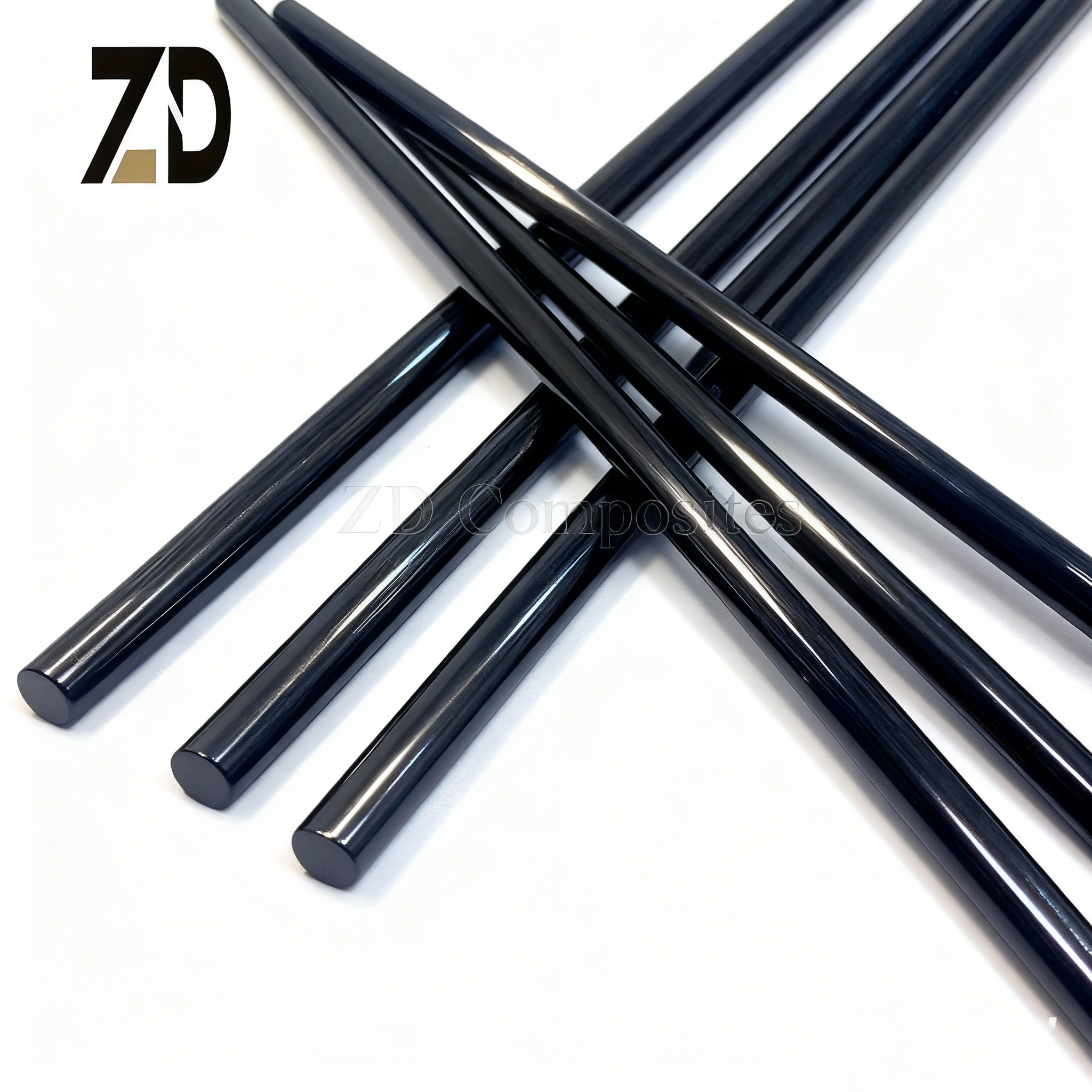
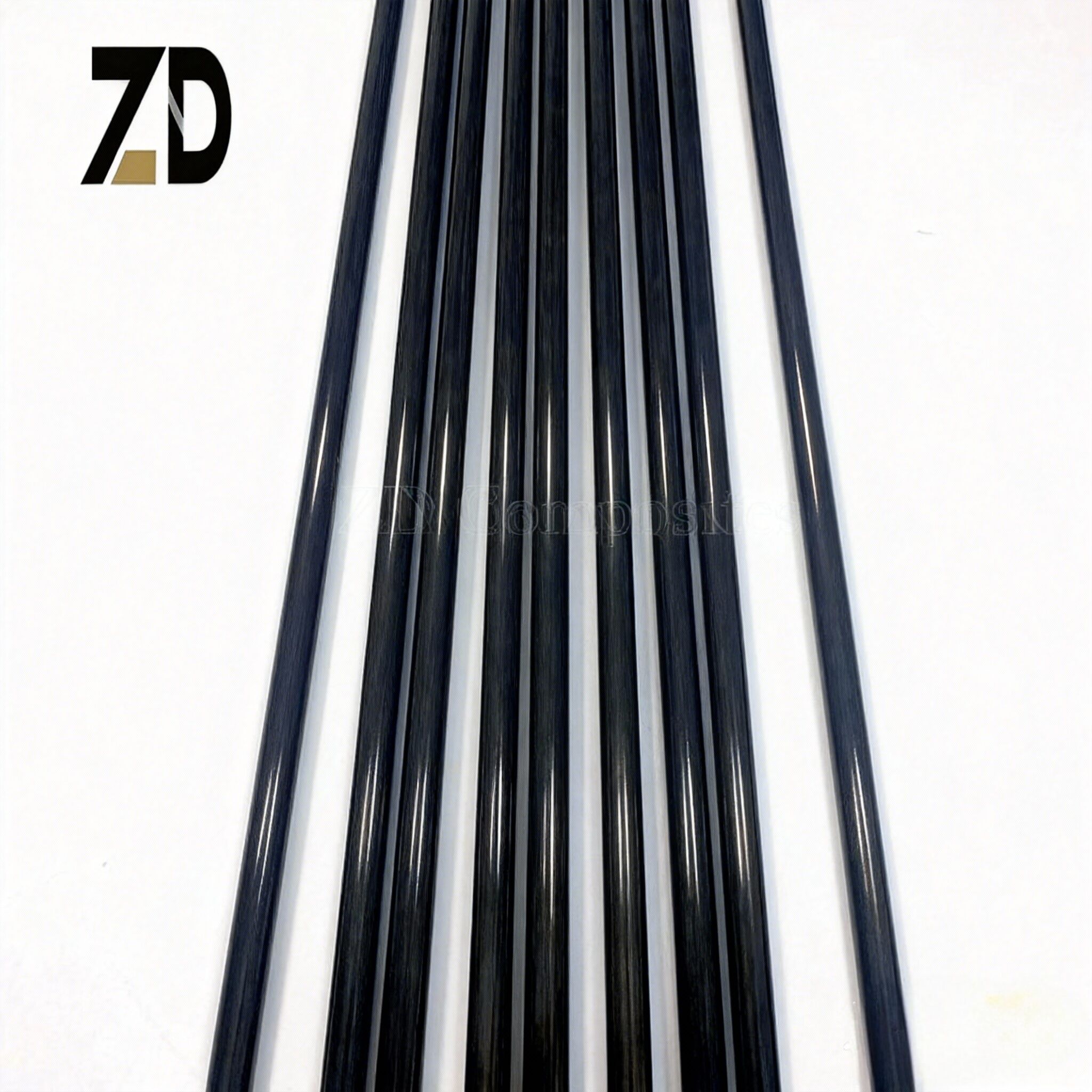
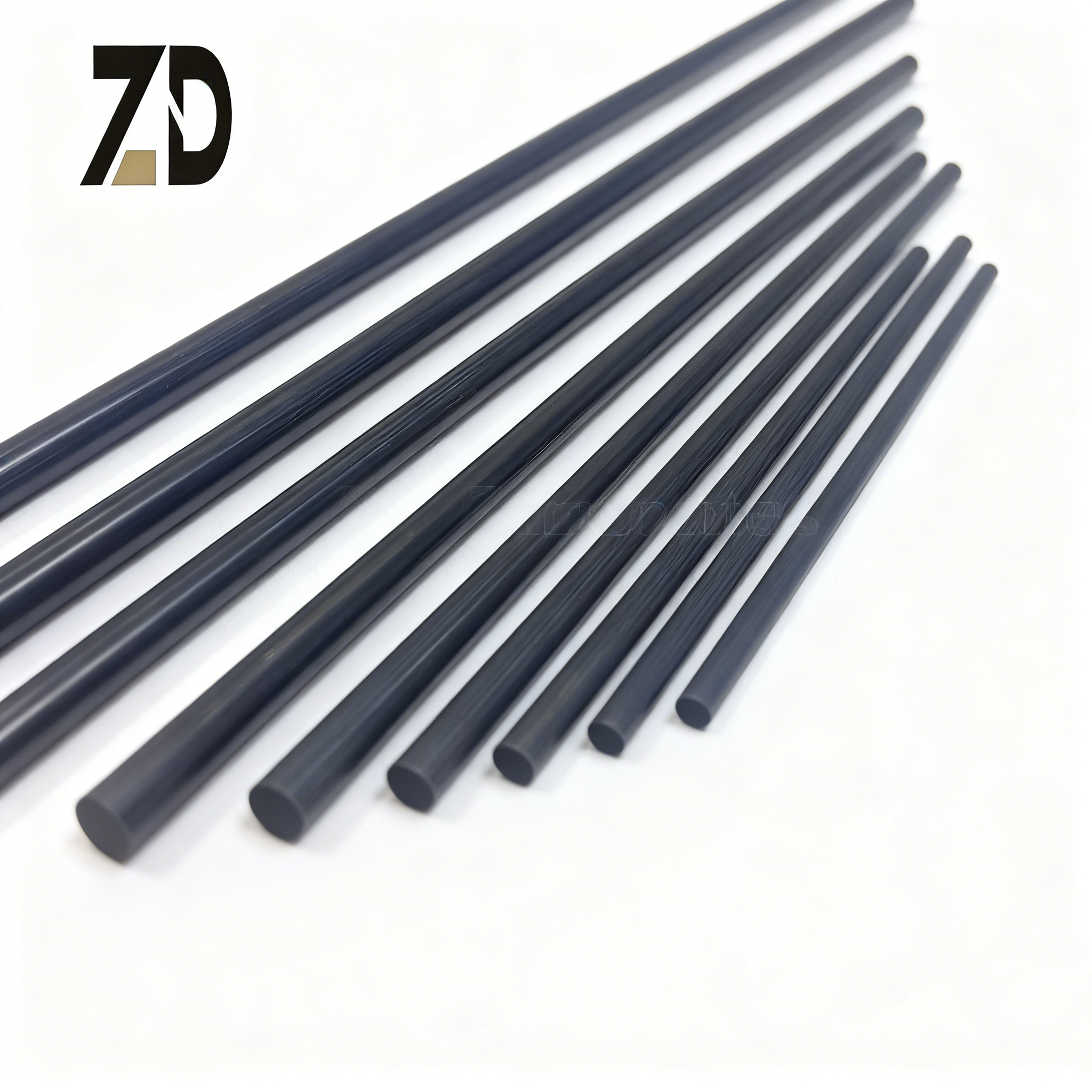
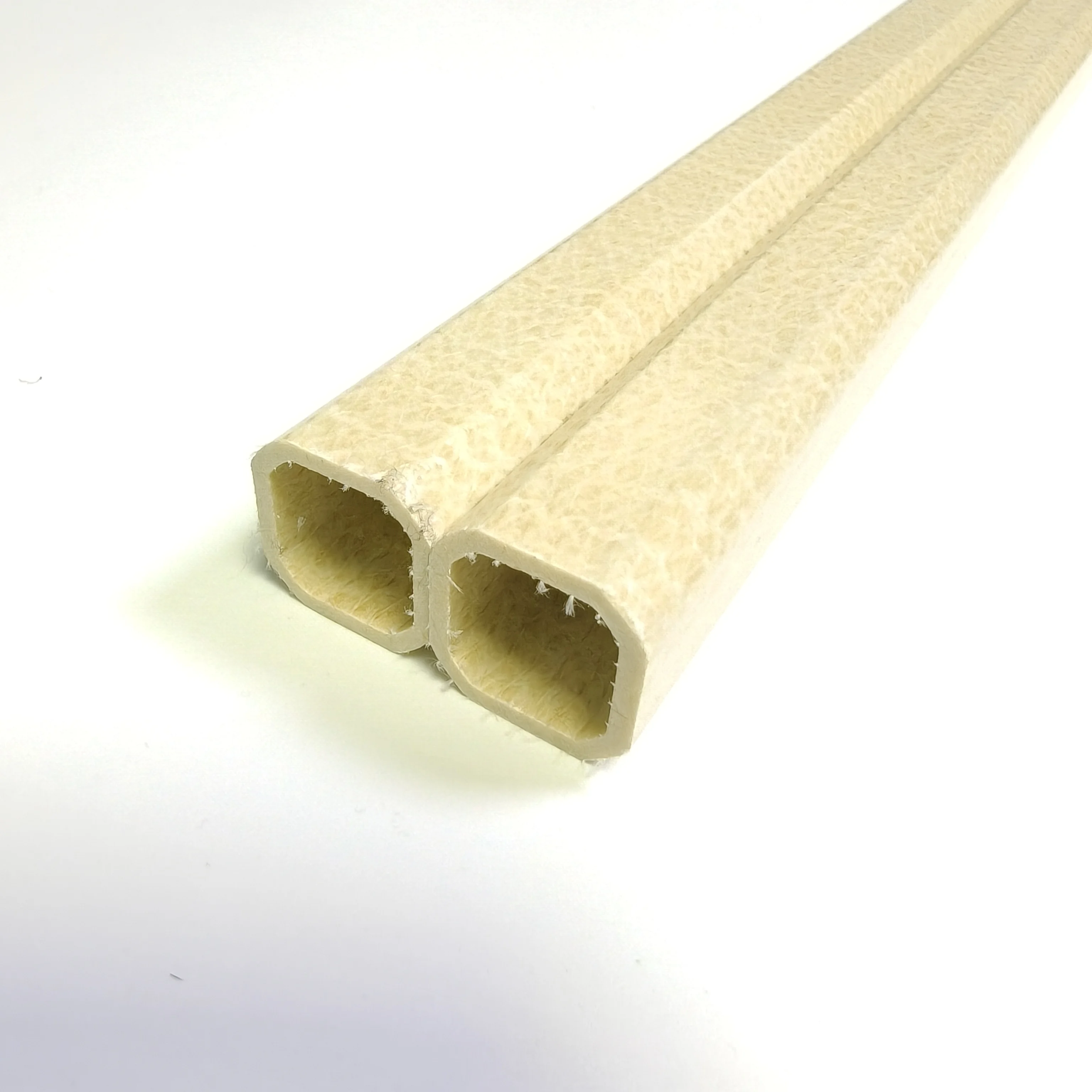
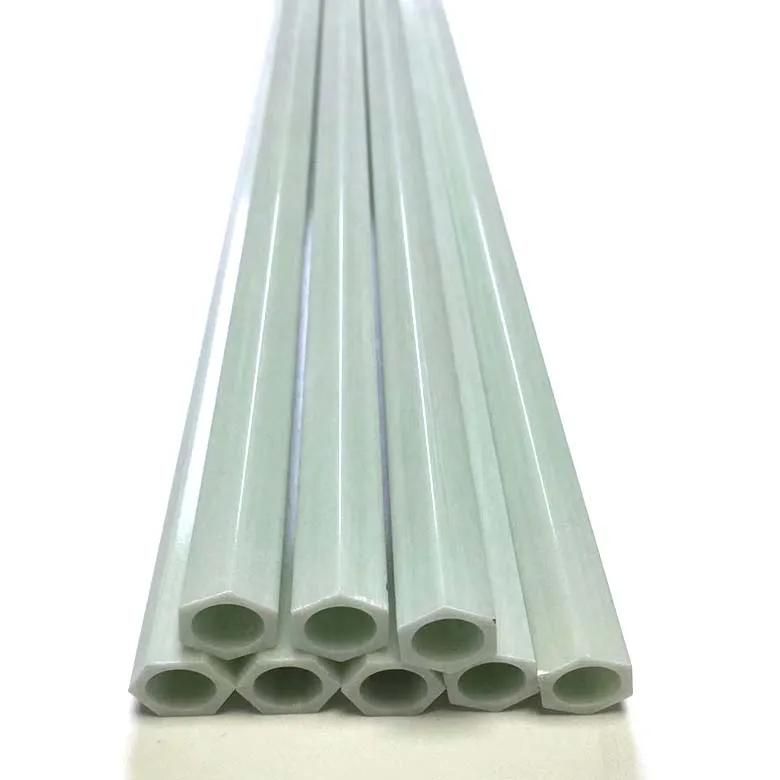
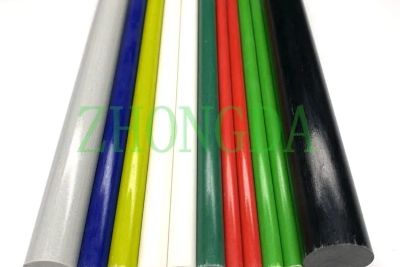
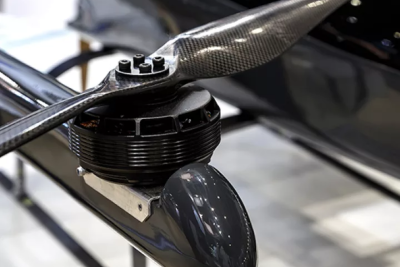
The carbon fiber pole represents a revolutionary advancement in structural engineering and material science, offering exceptional performance characteristics that surpass traditional materials. These sophisticated poles are manufactured using advanced composite technology that combines carbon fibers with specialized resins to create structures that deliver remarkable strength-to-weight ratios. The primary functions of carbon fiber poles encompass diverse applications including telecommunications infrastructure, utility support systems, architectural elements, sports equipment, and industrial frameworks. The technological features of these poles include superior tensile strength, exceptional durability, and remarkable flexibility under stress conditions. Carbon fiber poles demonstrate outstanding resistance to environmental factors such as corrosion, UV radiation, and temperature fluctuations, making them ideal for both indoor and outdoor installations. The manufacturing process involves precise layering of carbon fiber materials using advanced techniques like filament winding, pultrusion, and autoclave curing to achieve optimal structural integrity. These poles exhibit excellent electrical insulation properties, making them particularly valuable in telecommunications and electrical applications where conductivity concerns exist. The lightweight nature of carbon fiber poles significantly reduces installation costs and complexity while maintaining superior load-bearing capabilities compared to traditional steel or aluminum alternatives. Applications span across multiple industries including telecommunications where they serve as antenna support structures, utility poles for power distribution, architectural elements in modern construction projects, and specialized equipment in aerospace and marine environments. The versatility of carbon fiber poles allows for customization in terms of dimensions, load requirements, and specific environmental conditions. Advanced engineering techniques enable manufacturers to tailor the fiber orientation and resin systems to meet precise performance specifications for each application. The carbon fiber pole technology continues to evolve with innovations in manufacturing processes and material compositions, leading to enhanced performance characteristics and expanded application possibilities across various industries and specialized requirements.

Popular Products

Carbon fiber poles offer numerous compelling advantages that make them the preferred choice for demanding applications across multiple industries. The most significant benefit lies in their exceptional strength-to-weight ratio, where these poles deliver superior load-bearing capacity while weighing significantly less than traditional materials like steel or concrete. This weight reduction translates into substantial cost savings during transportation and installation, as lighter equipment and fewer personnel are required for deployment. The corrosion resistance of carbon fiber poles eliminates the need for regular maintenance treatments, coatings, or replacements that plague metal alternatives, resulting in long-term economic benefits and reduced operational costs. These poles maintain their structural integrity in harsh environmental conditions including saltwater exposure, acidic atmospheres, and extreme temperature variations without deterioration. The electrical insulation properties of carbon fiber poles provide critical safety advantages in telecommunications and power distribution applications, eliminating risks associated with electrical conductivity while maintaining optimal performance. Flexibility and vibration damping characteristics of carbon fiber poles enable them to withstand dynamic loads and wind forces more effectively than rigid alternatives, reducing stress concentrations and extending service life. The non-magnetic properties make carbon fiber poles ideal for sensitive electronic applications where magnetic interference must be minimized. Installation advantages include reduced foundation requirements due to lower weight, faster deployment times, and minimal disruption to surrounding infrastructure. The aesthetic appeal of carbon fiber poles with their sleek, modern appearance makes them suitable for architectural applications where visual impact matters. Dimensional stability ensures that carbon fiber poles maintain their shape and performance characteristics over extended periods without warping or deformation. The recyclability of carbon fiber materials supports environmental sustainability goals while providing end-of-life value recovery options. Customization capabilities allow engineers to design carbon fiber poles with specific performance characteristics tailored to unique application requirements. The fatigue resistance of these poles ensures reliable performance under cyclic loading conditions that would compromise traditional materials. Temperature stability maintains performance across wide temperature ranges without significant property changes. The chemical inertness of carbon fiber poles makes them suitable for use in corrosive environments where other materials would fail rapidly, ensuring long-term reliability and performance consistency.

Latest News

How to Make a Carbon Fiber Box: Choosing the Right Prepreg, Resin & Mold

20

Oct

How to Make a Carbon Fiber Box: Choosing the Right Prepreg, Resin & Mold

View More
The advantages of fiberglass stakes

20

Oct

The advantages of fiberglass stakes

View More
Applications and advantages of carbon fiber materials in industry

27

Oct

Applications and advantages of carbon fiber materials in industry

View More

Get a Free Quote

Our representative will contact you soon.
Email
Name
Company Name
Message
0/1000

carbon fiber pole

Superior Strength-to-Weight Performance Excellence

Superior Strength-to-Weight Performance Excellence

The carbon fiber pole delivers unmatched strength-to-weight performance that revolutionizes structural applications across industries. This exceptional characteristic stems from the unique properties of carbon fibers, which possess tensile strength values exceeding 3,500 MPa while maintaining density levels approximately 75% lower than steel. The manufacturing process creates a composite structure where individual carbon fibers are precisely oriented and bonded with advanced resin systems to optimize load distribution and maximize structural efficiency. This engineering approach results in poles that can support substantial loads while remaining lightweight enough for easy handling and installation. The practical implications of this superior strength-to-weight ratio extend far beyond simple weight savings. Construction projects benefit from reduced crane requirements, lower transportation costs, and simplified installation procedures that decrease overall project timelines and expenses. The lightweight nature enables single-person handling of smaller poles and reduces crew size requirements for larger installations. Foundation requirements are significantly minimized due to reduced dead loads, leading to cost savings in concrete, excavation, and reinforcement materials. The carbon fiber pole maintains its strength characteristics throughout its service life without the degradation associated with traditional materials. This consistency ensures reliable performance under varying load conditions and eliminates concerns about strength reduction over time. Engineers can specify smaller safety factors due to the predictable performance characteristics, optimizing designs for maximum efficiency. The strength-to-weight advantage becomes particularly valuable in applications where weight restrictions exist, such as rooftop installations or structures with limited load-bearing capacity. Remote locations benefit from the transportability advantages, as multiple carbon fiber poles can be transported using smaller vehicles compared to equivalent traditional materials. The reduced weight also enables helicopter transport to inaccessible locations where ground transportation is impossible. Seismic applications benefit from the reduced mass, which decreases inertial forces during earthquake events and improves overall structural response. The carbon fiber pole technology continues advancing with new fiber types and manufacturing techniques that further enhance the strength-to-weight performance advantages.
Exceptional Environmental Resistance and Longevity

Exceptional Environmental Resistance and Longevity

The carbon fiber pole demonstrates remarkable environmental resistance capabilities that ensure decades of reliable performance in challenging conditions where traditional materials fail. This comprehensive resistance encompasses multiple environmental factors including ultraviolet radiation, temperature extremes, chemical exposure, moisture penetration, and atmospheric corrosion. The carbon fiber matrix exhibits inherent stability against UV degradation, maintaining structural properties and appearance without the chalking, brittleness, or color changes that affect other materials. Temperature resistance spans from cryogenic conditions to elevated temperatures exceeding 200°C without significant property changes or structural compromise. Chemical resistance makes carbon fiber poles suitable for installation in industrial environments where exposure to acids, alkalis, solvents, and other aggressive chemicals would rapidly destroy metal alternatives. The non-porous nature of properly manufactured carbon fiber poles prevents moisture absorption that leads to freeze-thaw damage in concrete or corrosion in metals. Saltwater environments, particularly challenging for traditional materials, pose no threat to carbon fiber poles, making them ideal for coastal installations and marine applications. The stability extends to dimensional consistency, where carbon fiber poles maintain their shape and alignment over extended periods without warping, twisting, or sagging that affects performance and appearance. This environmental resistance translates into substantial economic advantages through reduced maintenance requirements, extended replacement intervals, and improved reliability. Traditional poles require regular inspection, treatment, and eventual replacement due to environmental degradation, while carbon fiber poles maintain their performance with minimal maintenance throughout their service life. The longevity benefits become increasingly valuable over time as maintenance costs compound and replacement disruptions affect operations. Quality carbon fiber poles can provide service lives exceeding 50 years in harsh environments where traditional materials might require replacement every 10-15 years. The consistent performance throughout the service life ensures that systems maintain their intended functionality without degradation-related failures. Insurance and liability benefits result from the reduced failure risk and improved safety margins provided by environmental resistance. The carbon fiber pole technology includes surface treatments and resin systems specifically formulated to enhance environmental resistance for specific applications, providing tailored solutions for extreme conditions.

Advanced Electrical Insulation and Safety Properties

Advanced Electrical Insulation and Safety Properties

The carbon fiber pole provides exceptional electrical insulation properties that deliver critical safety advantages and expand application possibilities in electrical and telecommunications infrastructure. Unlike conductive materials such as steel or aluminum, carbon fiber poles exhibit high electrical resistance that prevents current flow and eliminates risks associated with electrical contact or lightning strikes. This insulation capability makes carbon fiber poles the preferred choice for utility applications where electrical safety is paramount, including power line support, substation equipment mounting, and telecommunications tower construction. The dielectric strength of carbon fiber materials exceeds 15 kV/mm, providing substantial safety margins for high-voltage applications and ensuring personnel protection during maintenance operations. The non-conductive properties eliminate the need for complex grounding systems and electrical isolation measures required with metal poles, simplifying installation procedures and reducing costs. Lightning protection benefits significantly from the electrical properties of carbon fiber poles, as the non-conductive nature prevents direct strike damage and eliminates the conductive path that can cause catastrophic failures in metal structures. The electromagnetic transparency of carbon fiber poles prevents signal interference and reflection issues that affect telecommunications performance, making them ideal for antenna support and RF applications. This property enables optimal signal transmission and reception without the shielding effects associated with metal structures. The electrical insulation remains stable throughout the service life of the carbon fiber pole, unlike some materials that may develop conductive paths through environmental degradation or contamination. Safety protocols benefit from the inherent electrical properties, reducing requirements for lockout procedures and specialized safety equipment during maintenance activities. Arc flash risks are eliminated due to the non-conductive nature, improving worker safety in electrical environments. The insulation properties extend to preventing galvanic corrosion when carbon fiber poles are used in proximity to metal components, as the electrical isolation prevents corrosive current flow. Grounding system design is simplified as carbon fiber poles do not require direct electrical connection to ground networks, reducing installation complexity and costs. The electrical properties remain consistent across temperature ranges and environmental conditions, ensuring reliable insulation performance throughout varying operating conditions. Quality assurance testing includes dielectric strength verification to ensure consistent electrical properties across production batches and maintain safety standards.

Get a Free Quote

Our representative will contact you soon.
Email
Name
Company Name
Message
0/1000