Premium Carbon Fibre Pipe Solutions: Lightweight, Durable, and High-Performance Piping Systems

Get a Free Quote

Our representative will contact you soon.
Email
Name
Company Name
Message
0/1000

carbon fibre pipe

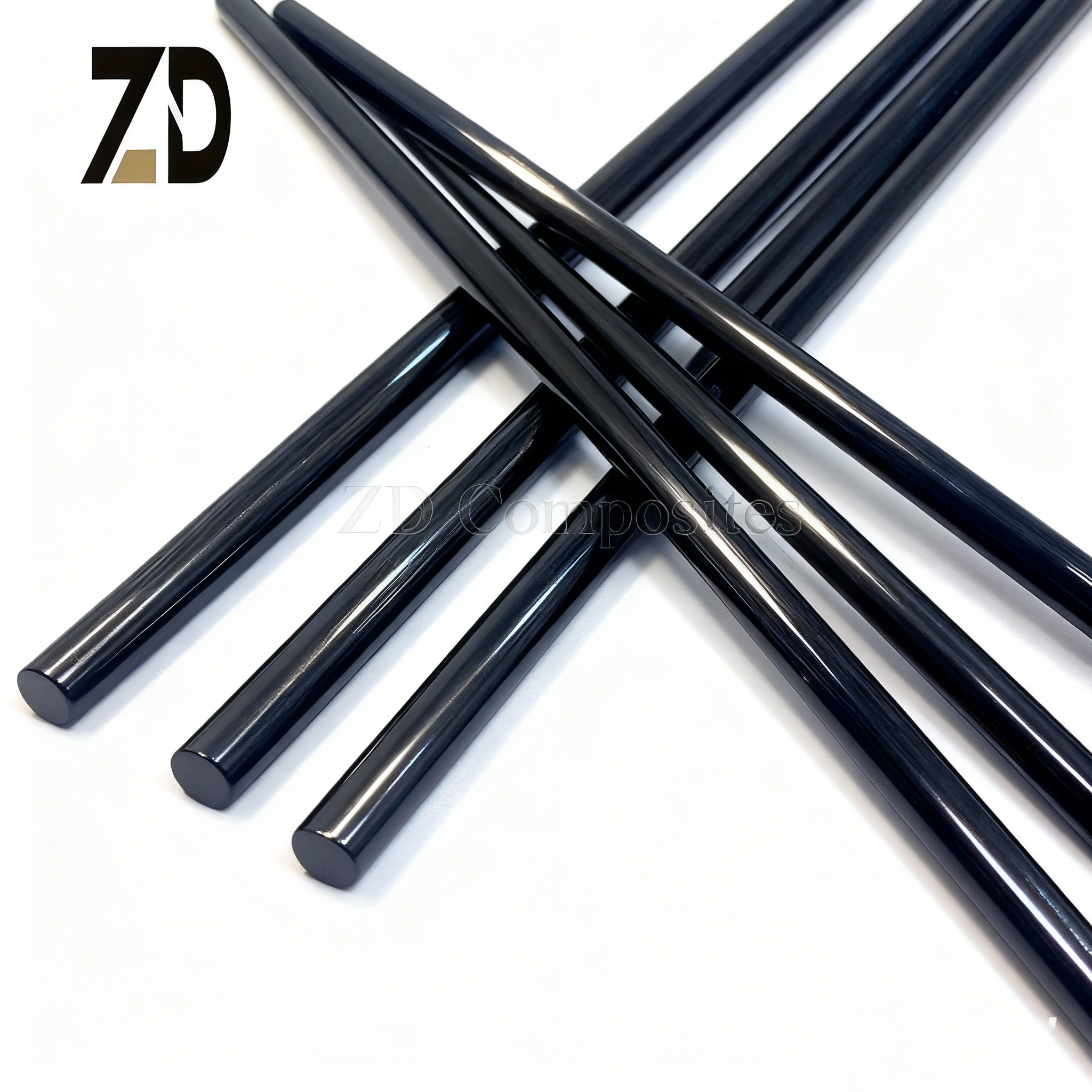
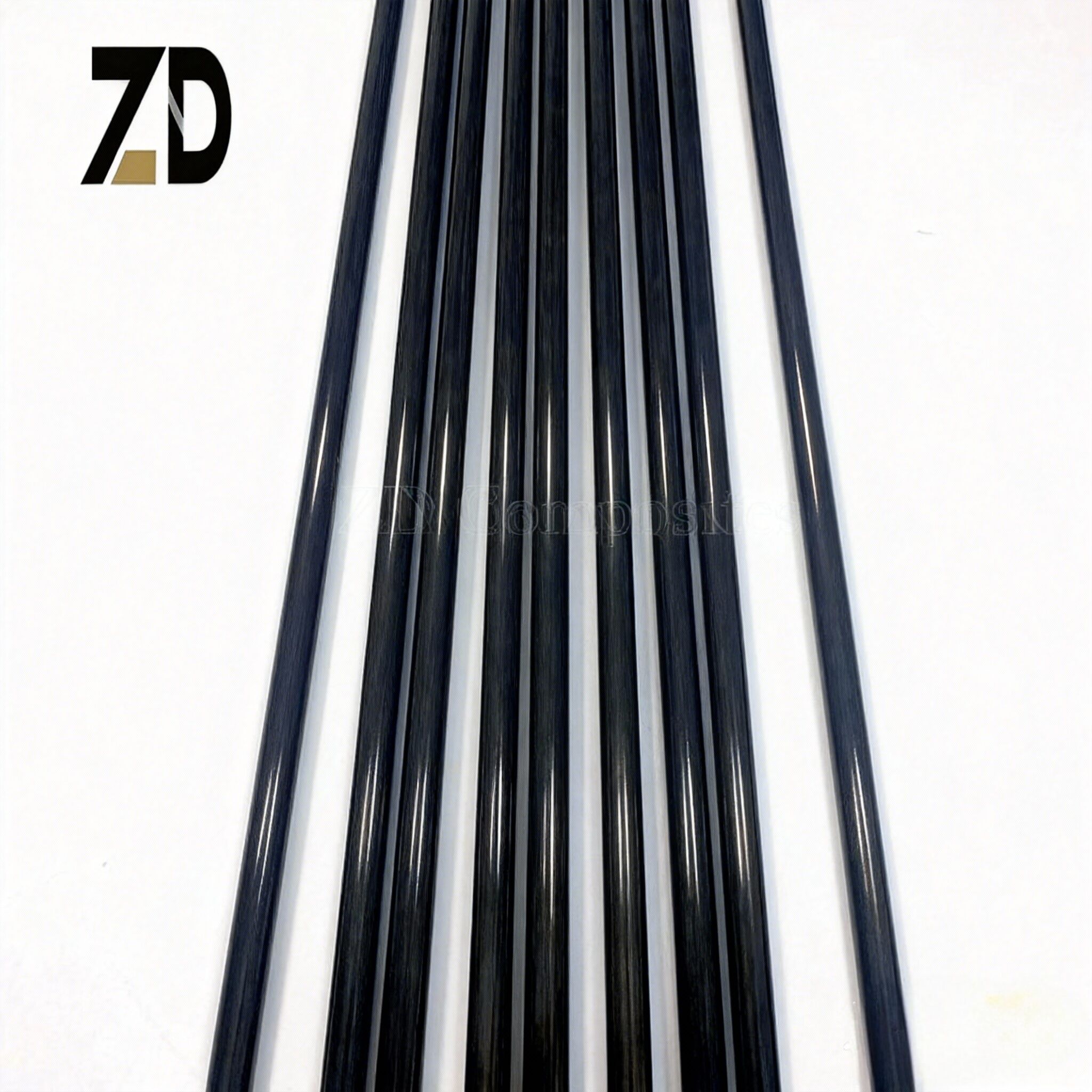
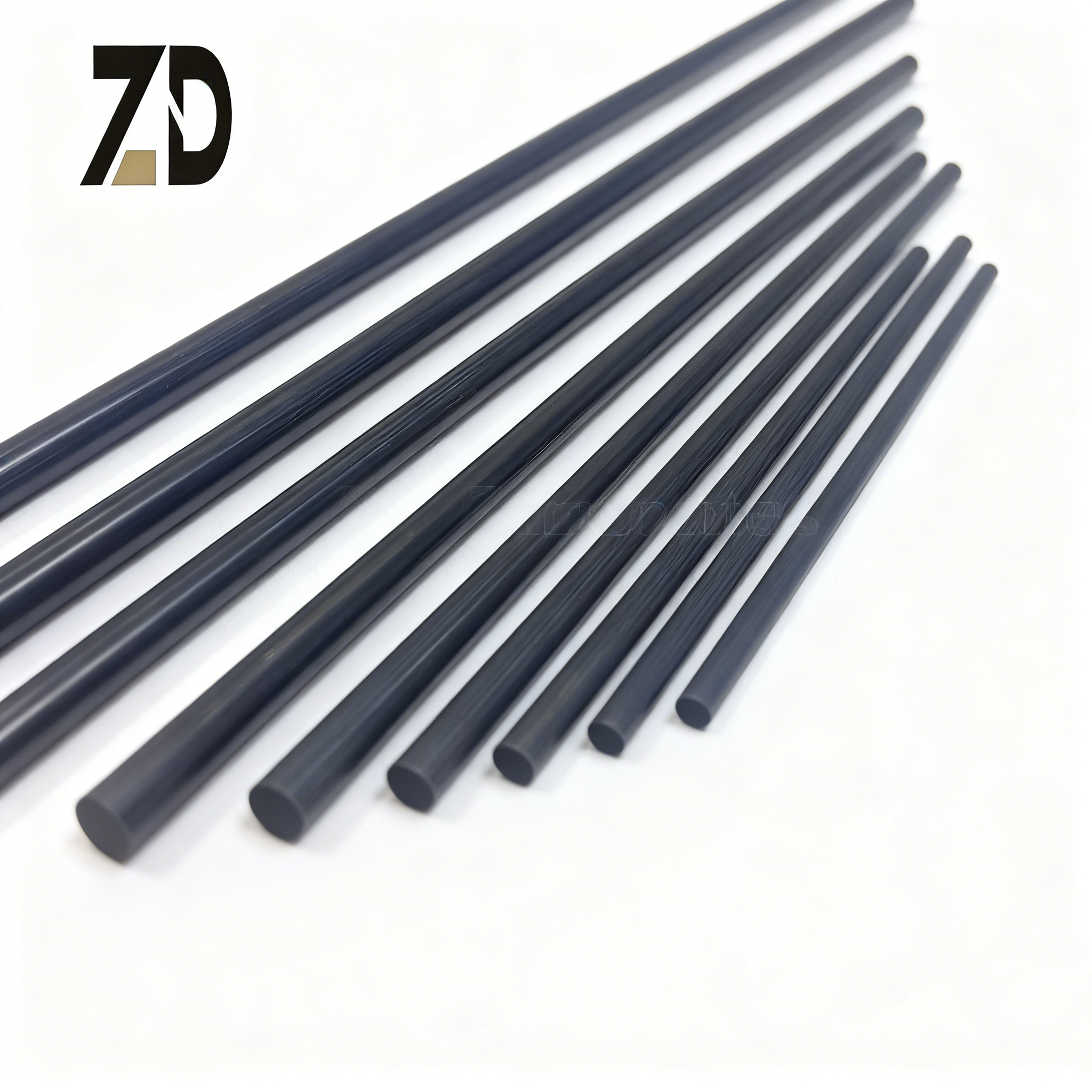
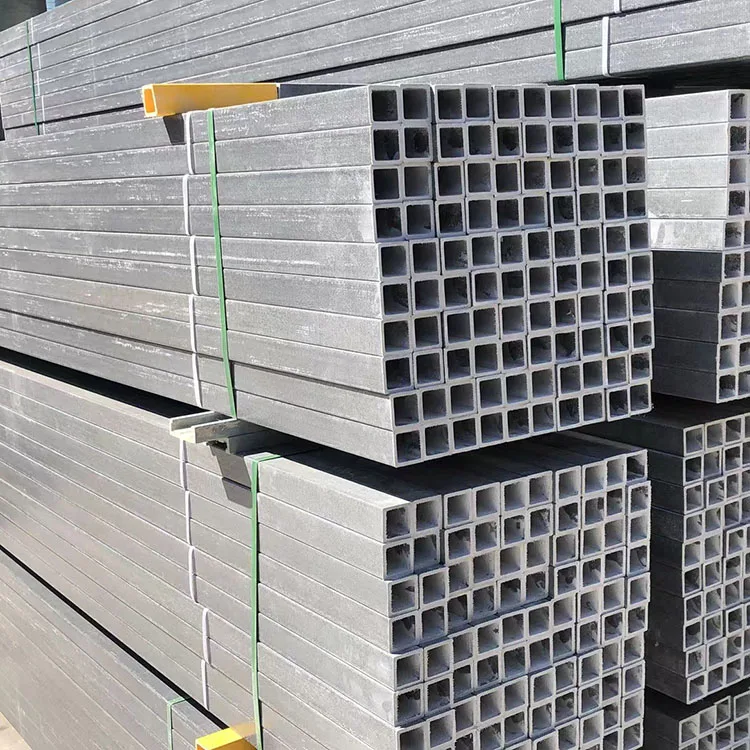
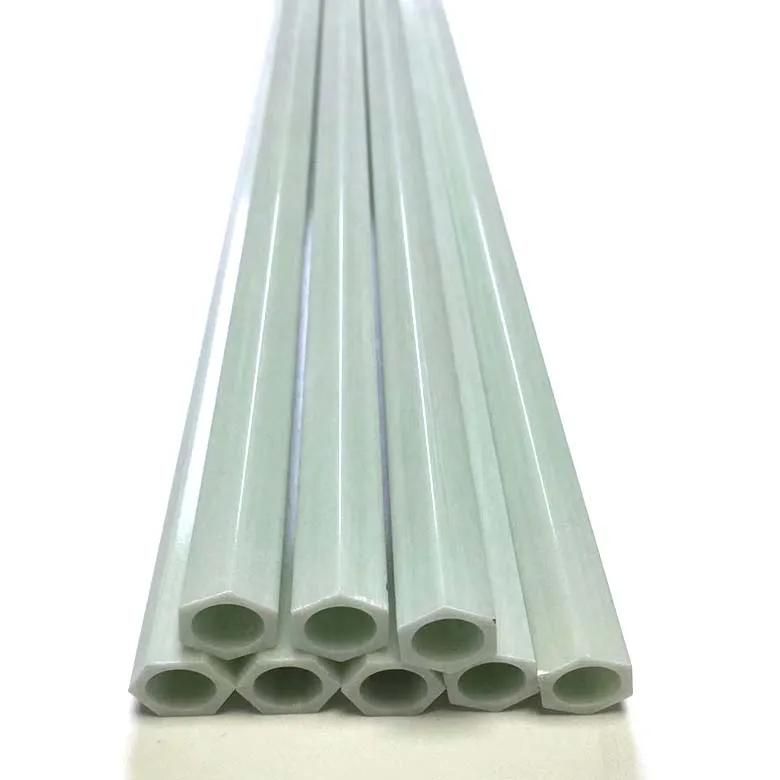
Carbon fibre pipe represents a revolutionary advancement in modern piping technology, combining exceptional strength with remarkable lightness to deliver superior performance across diverse industries. This innovative tubular material consists of carbon fibres woven together and bound with resin matrices, creating a composite structure that outperforms traditional materials like steel, aluminum, and plastic in numerous applications. The carbon fibre pipe exhibits extraordinary tensile strength, often exceeding that of steel while weighing significantly less, making it an ideal choice for demanding engineering projects. The manufacturing process involves precise layering of carbon fibre sheets, which are then cured under controlled temperature and pressure conditions to achieve optimal structural integrity. These pipes demonstrate exceptional resistance to corrosion, chemical exposure, and environmental degradation, ensuring long-term reliability in harsh operating conditions. The smooth internal surface of carbon fibre pipe minimizes friction losses, enhancing fluid flow efficiency and reducing energy consumption in pumping systems. Temperature stability remains consistent across wide ranges, maintaining structural properties from extreme cold to elevated heat levels. The non-conductive nature of carbon fibre pipe provides excellent electrical isolation, preventing galvanic corrosion and eliminating the need for cathodic protection systems. Advanced manufacturing techniques allow for precise customization of wall thickness, diameter specifications, and length requirements to meet specific project demands. The modular design facilitates easy installation and maintenance, reducing labor costs and project timelines. Carbon fibre pipe applications span aerospace engineering, automotive systems, marine installations, industrial processing, sports equipment, and infrastructure development. Quality control measures ensure consistent performance standards, with rigorous testing protocols validating pressure ratings, impact resistance, and dimensional accuracy before deployment.

New Product Recommendations

Carbon fibre pipe delivers transformative benefits that revolutionize system performance while reducing operational costs and maintenance requirements. The exceptional strength-to-weight ratio means installers can handle longer sections with standard equipment, reducing joint connections and potential leak points throughout the system. This lightweight characteristic translates into significant cost savings during transportation and installation, as fewer personnel and lighter machinery are required for project completion. The corrosion resistance of carbon fibre pipe eliminates the costly cycle of inspection, treatment, and replacement associated with metal alternatives, providing decades of maintenance-free operation even in aggressive chemical environments. Energy efficiency improves dramatically due to the smooth interior surface that reduces friction losses, allowing pumps to operate at lower pressures while maintaining required flow rates, resulting in substantial electricity cost reductions over the system lifetime. The thermal properties of carbon fibre pipe maintain consistent performance across temperature variations, preventing expansion-related stress that can damage conventional materials and create system failures. Installation flexibility increases through the ability to create complex routing configurations without compromising structural integrity, enabling designers to optimize space utilization and system efficiency. The non-magnetic properties eliminate interference with sensitive electronic equipment, making carbon fibre pipe ideal for high-tech facilities and precision manufacturing environments. Long-term value proposition becomes evident through extended service life, reduced replacement frequency, and minimal maintenance interventions compared to traditional piping materials. Environmental impact decreases significantly due to the durability and longevity of carbon fibre pipe systems, reducing material waste and resource consumption associated with frequent replacements. The chemical inertness prevents contamination of transported fluids, ensuring product purity in pharmaceutical, food processing, and semiconductor manufacturing applications. Project schedules accelerate through faster installation times, reduced connection points, and elimination of complex support structures required for heavier traditional materials, enabling earlier system commissioning and revenue generation.

Latest News

How to Make a Carbon Fiber Box: Choosing the Right Prepreg, Resin & Mold

20

Oct

How to Make a Carbon Fiber Box: Choosing the Right Prepreg, Resin & Mold

View More
The advantages of fiberglass stakes

20

Oct

The advantages of fiberglass stakes

View More
Applications and advantages of carbon fiber materials in industry

27

Oct

Applications and advantages of carbon fiber materials in industry

View More

Get a Free Quote

Our representative will contact you soon.
Email
Name
Company Name
Message
0/1000

carbon fibre pipe

Unmatched Durability and Longevity Performance

Unmatched Durability and Longevity Performance

Carbon fibre pipe sets new industry standards for durability and service life through its advanced composite construction that resists virtually all forms of degradation encountered in industrial environments. The inherent molecular structure of carbon fibres provides exceptional resistance to fatigue failure, maintaining structural integrity even under continuous cyclic loading conditions that would compromise traditional materials. This remarkable durability stems from the absence of crystalline grain boundaries found in metals, eliminating stress concentration points where cracks typically initiate and propagate. The resin matrix system protects individual carbon fibres from environmental exposure while distributing loads evenly across the composite structure, ensuring consistent performance throughout the operational lifetime. Chemical resistance capabilities exceed those of stainless steel and specialized alloys, withstanding exposure to acids, bases, solvents, and oxidizing agents without material degradation or performance loss. The non-porous surface prevents bacterial growth and biofilm formation, maintaining system cleanliness and preventing blockages that plague other piping materials. Temperature cycling effects that cause expansion, contraction, and eventual failure in conventional pipes have minimal impact on carbon fibre pipe due to its low coefficient of thermal expansion and superior dimensional stability. Impact resistance protects against damage from external forces, debris, and operational mishaps that could compromise system integrity, reducing emergency repair costs and unplanned downtime. The composite structure distributes impact energy across a larger area, preventing localized damage and maintaining pressure containment capabilities. Ultraviolet radiation resistance ensures outdoor installations maintain their properties without degradation, eliminating the need for protective coatings or coverings required by other materials. This comprehensive durability profile translates into predictable maintenance schedules, reduced lifecycle costs, and enhanced operational reliability that supports critical infrastructure applications where failure is not an option.
Superior Flow Efficiency and Energy Optimization

Superior Flow Efficiency and Energy Optimization

Carbon fibre pipe delivers exceptional hydraulic performance through its precisely engineered internal surface characteristics and dimensional consistency that optimize fluid flow dynamics and minimize energy consumption throughout the system lifecycle. The manufacturing process creates an extremely smooth interior wall with minimal surface roughness, significantly reducing friction factors compared to traditional materials like steel, cast iron, or concrete. This smooth surface maintains its characteristics over time, as carbon fibre pipe does not develop the internal corrosion, scale buildup, or biological fouling that progressively restricts flow in conventional piping systems. The consistent internal diameter along the entire pipe length ensures uniform flow conditions without the dimensional variations that create turbulence and pressure losses in manufactured metal pipes. Advanced resin formulations provide additional surface smoothness while maintaining chemical resistance, creating ideal conditions for laminar flow maintenance across a wide range of flow velocities. The reduced friction characteristics translate directly into lower pumping energy requirements, allowing system designers to specify smaller pumps or operate existing equipment at reduced power levels while maintaining required flow rates and pressures. Computational fluid dynamics analysis consistently demonstrates superior flow coefficients for carbon fibre pipe compared to alternative materials, validating real-world energy savings that can reach twenty to thirty percent in typical installations. The thermal properties of carbon fibre pipe maintain consistent viscosity characteristics in temperature-sensitive applications, preventing the flow variations that occur when fluid properties change due to thermal conductivity in metal pipes. Pressure drop calculations show measurable improvements across all pipe diameters and flow rates, enabling longer runs between pumping stations in distribution systems and reducing infrastructure complexity. The combination of smooth surfaces and dimensional consistency eliminates flow separation points where energy losses typically occur, maintaining efficient flow profiles throughout complex piping networks with multiple fittings and direction changes that would normally compromise hydraulic performance.
Exceptional Installation Flexibility and Cost Efficiency

Exceptional Installation Flexibility and Cost Efficiency

Carbon fibre pipe revolutionizes installation processes through its lightweight construction and flexible handling characteristics that dramatically reduce project complexity, labor requirements, and overall implementation costs compared to traditional heavy-wall piping systems. The weight advantage allows single workers to handle pipe sections that would normally require multiple personnel or mechanical lifting equipment, accelerating installation timelines and reducing safety risks associated with heavy material handling. This manageable weight characteristic enables installation in confined spaces, elevated locations, and remote areas where crane access or heavy equipment deployment would be impractical or prohibitively expensive. The flexibility of carbon fibre pipe allows for gentle bending around obstacles and through complex routing paths without requiring numerous fittings and joints that increase system complexity and potential failure points. Custom fabrication capabilities enable precise length cutting and fitting modifications on-site, eliminating the delays and costs associated with returning materials to manufacturers for modifications. The joining methods for carbon fibre pipe systems utilize advanced coupling technologies that create reliable connections without the welding, threading, or flanging requirements that demand specialized labor skills and certification. Installation crews require minimal specialized training compared to metal pipe welding certification, expanding the available workforce and reducing project scheduling constraints. The non-conductive properties eliminate grounding and electrical safety concerns during installation, simplifying safety protocols and reducing insurance costs associated with electrical hazard exposure. Trenching requirements decrease significantly due to the lighter backfill loads and reduced bedding specifications needed for carbon fibre pipe compared to heavy cast iron or steel alternatives. The corrosion resistance eliminates the need for cathodic protection installation, protective coatings, or specialized bedding materials, further reducing installation complexity and material costs. Quality control during installation simplifies through visual inspection methods rather than requiring radiographic or ultrasonic testing needed for welded metal joints, accelerating project completion and reducing quality assurance expenses.

Get a Free Quote

Our representative will contact you soon.
Email
Name
Company Name
Message
0/1000