Design Flexibility and Customization Capabilities
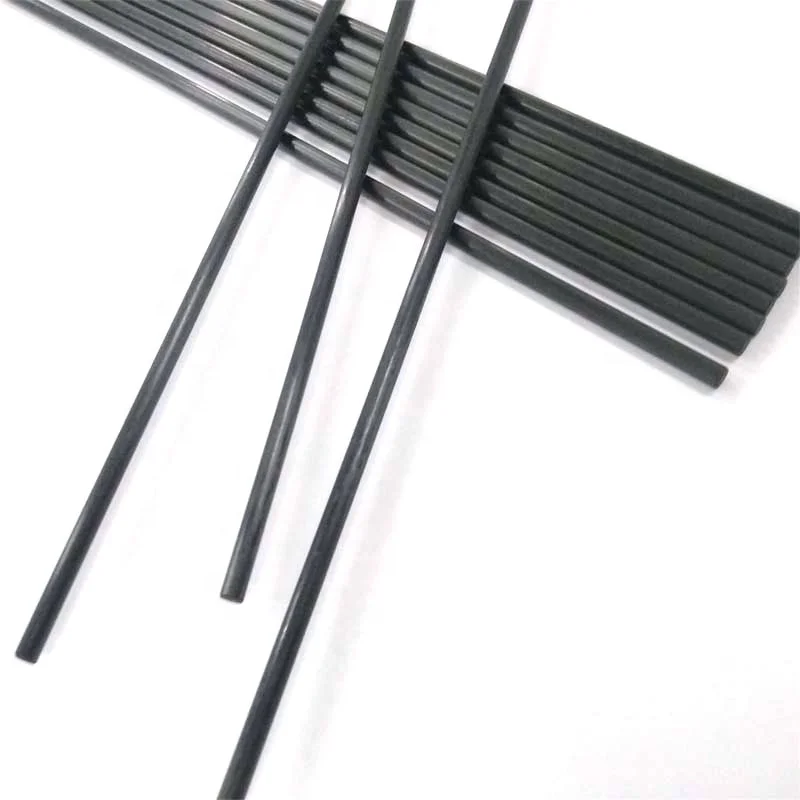
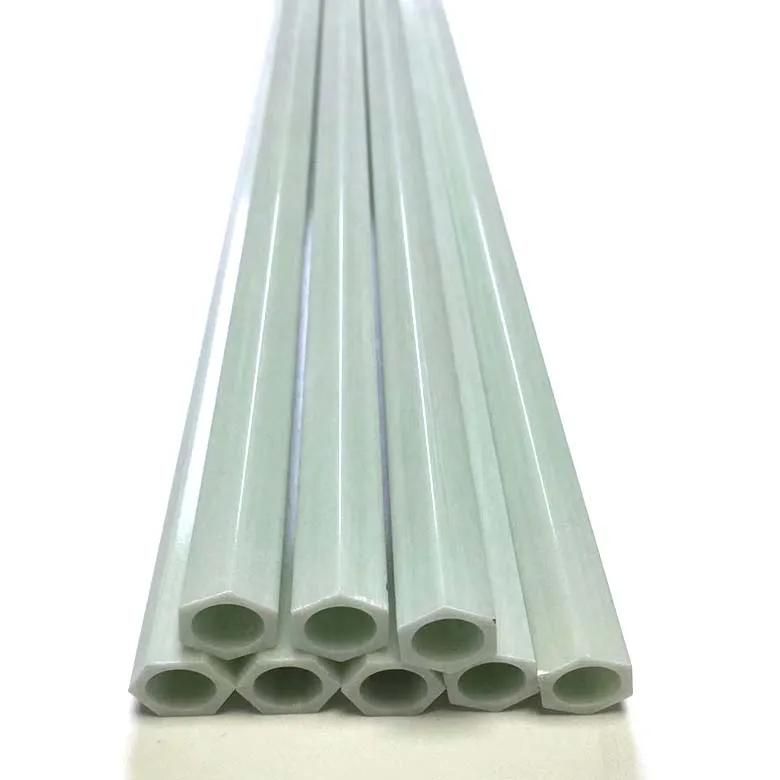
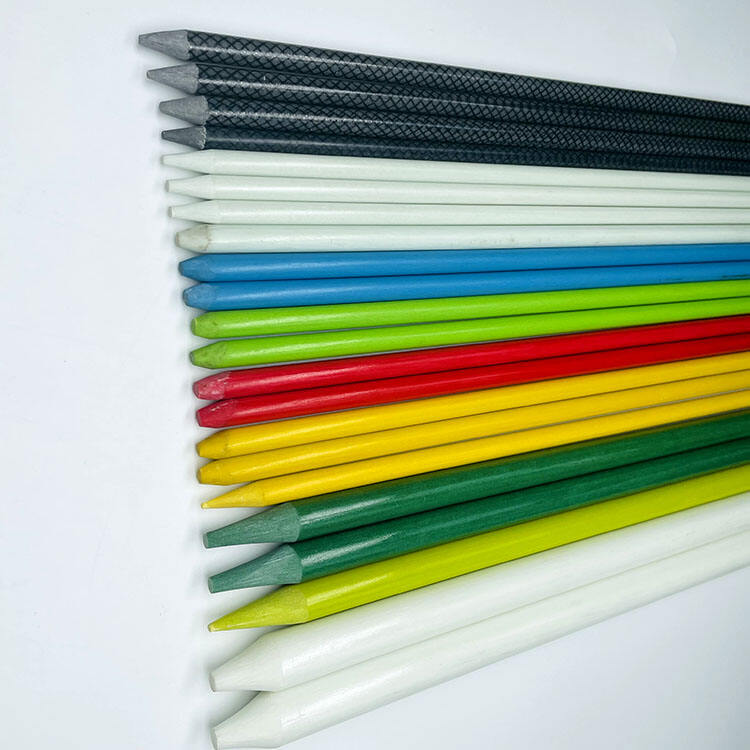
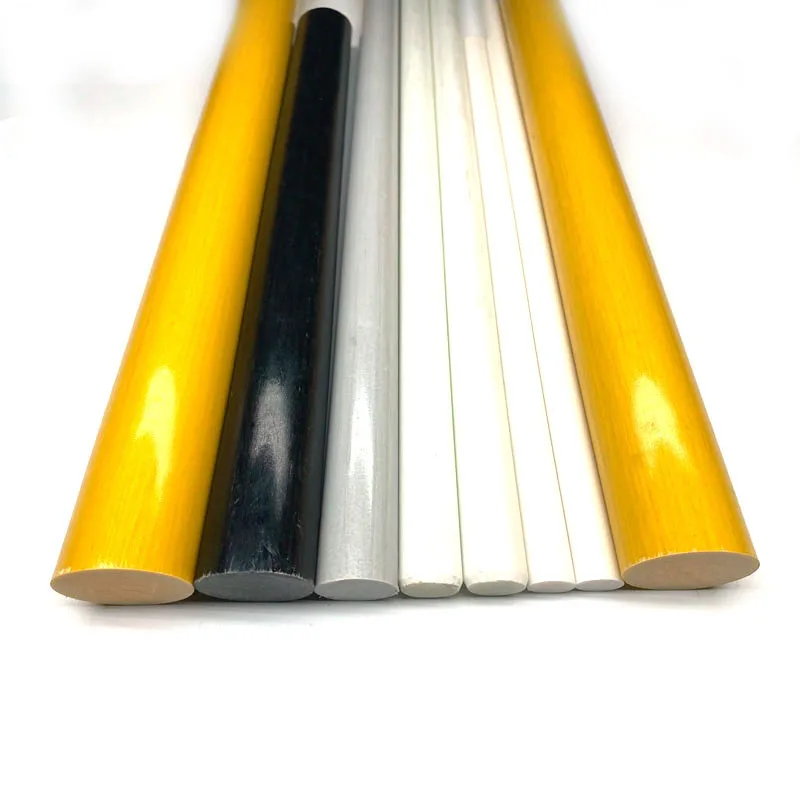
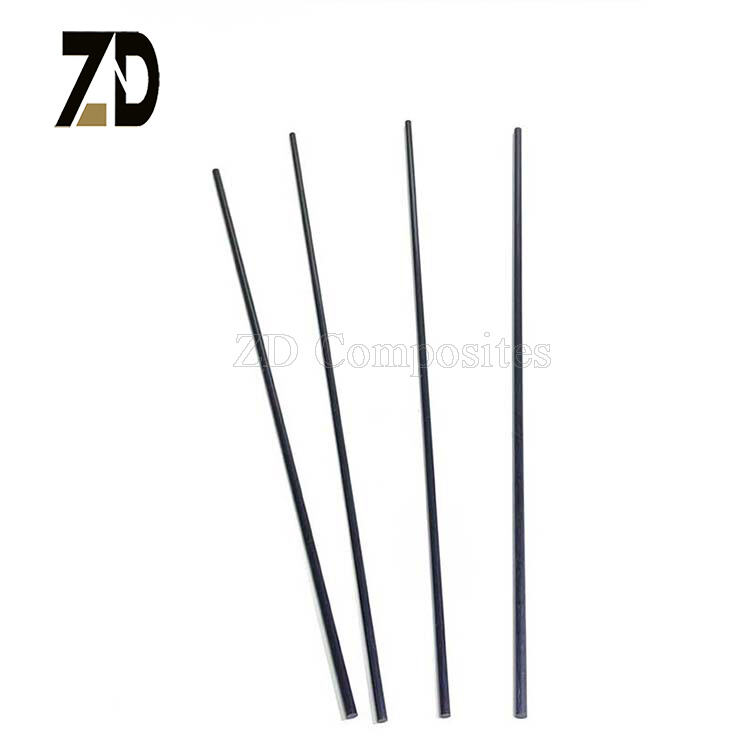
The carbon fiber bar offers unprecedented design flexibility and customization options that enable engineers to optimize material performance for specific applications while achieving innovative solutions impossible with traditional materials. This adaptability stems from the manufacturing processes used to create carbon fiber bars, which allow precise control over fiber orientation, resin selection, cross-sectional geometry, and surface treatments. Engineers can specify carbon fiber bars with fiber orientations tailored to expected load directions, maximizing strength where needed while optimizing material usage and cost effectiveness. Manufacturing flexibility begins with fiber architecture selection, where engineers can choose from various weave patterns, unidirectional orientations, or hybrid configurations to match anticipated stress patterns. A carbon fiber bar designed for primarily tensile loads might utilize unidirectional fibers aligned with the load direction, while applications requiring multi-directional strength might employ woven or braided fiber architectures. This customization ensures optimal performance while avoiding over-engineering and unnecessary costs. Cross-sectional geometry represents another area where carbon fiber bars can be customized to meet specific design requirements. While traditional materials are limited to standard shapes and sizes, carbon fiber bars can be manufactured in virtually any cross-sectional configuration, from simple round or rectangular profiles to complex hollow sections or application-specific shapes. This geometric flexibility enables designers to optimize structural efficiency, reduce weight further, and integrate carbon fiber bars seamlessly into existing designs. Surface treatments and coatings can be applied to carbon fiber bars to enhance specific properties or provide compatibility with joining methods, adhesives, or environmental protection requirements. Resin system selection allows manufacturers to tailor carbon fiber bars for specific operating conditions, whether requiring enhanced chemical resistance, improved temperature performance, or specialized electrical properties. Epoxy, vinyl ester, and thermoplastic matrix options each offer distinct advantages for particular applications, and the choice can be optimized based on project requirements. The manufacturing process for carbon fiber bars also enables the integration of sensors, heating elements, or other functional components directly into the material structure, creating smart materials that provide real-time monitoring capabilities or active control functions. This integration capability opens possibilities for innovative applications in aerospace, automotive, and infrastructure monitoring where traditional materials cannot provide such functionality. Length and dimensional precision represent additional customization advantages, as carbon fiber bars can be manufactured to exact specifications without the cutting waste and dimensional tolerances associated with traditional materials.
 ×
×

 EN
EN