Premium 3K Carbon Fiber Sheet - Lightweight High-Strength Composite Material Solutions

Get a Free Quote

Our representative will contact you soon.
Email
Name
Company Name
Message
0/1000

3k carbon fiber sheet

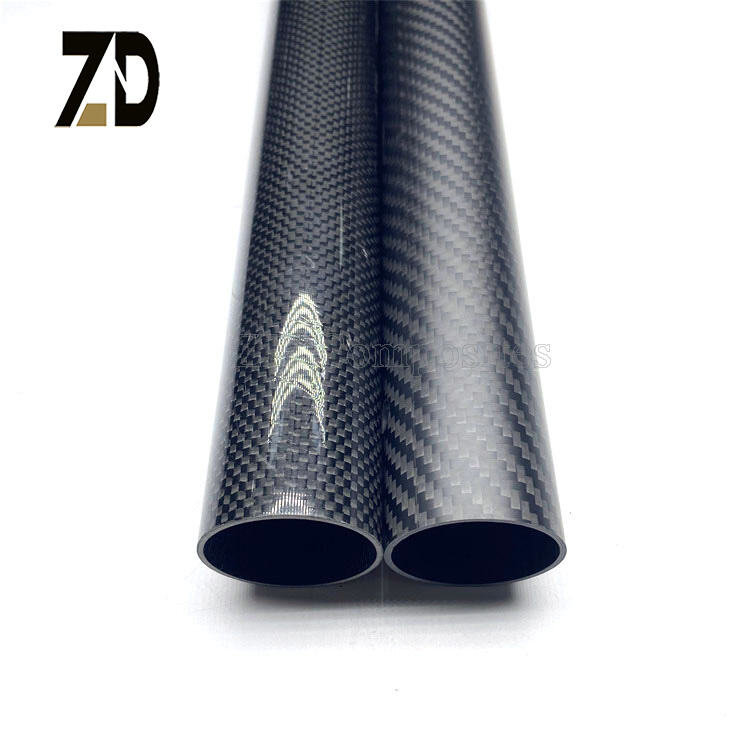
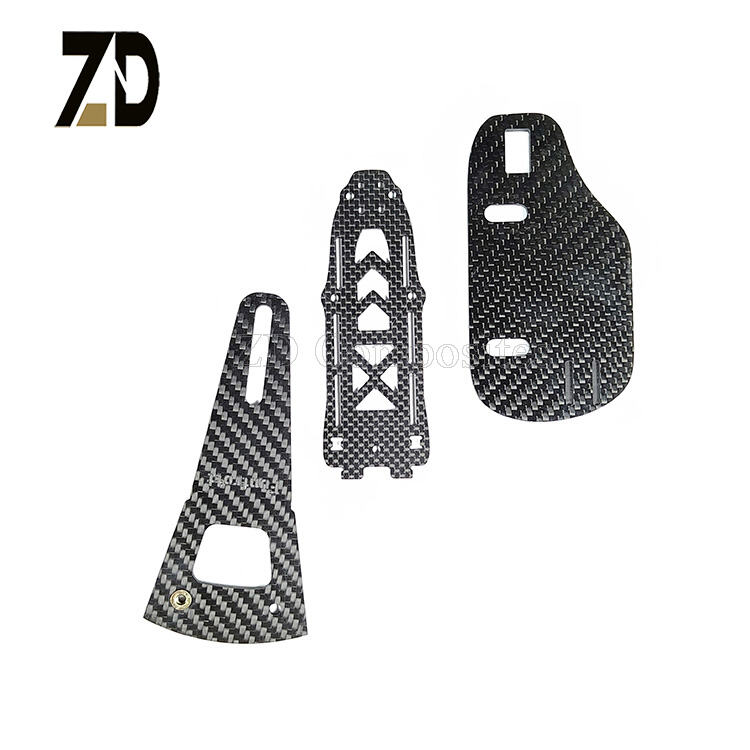
The 3k carbon fiber sheet represents a pinnacle of advanced composite material engineering, offering exceptional performance characteristics that make it indispensable across multiple industries. This sophisticated material consists of thousands of carbon filaments woven together in a distinctive pattern, where the '3k' designation refers to 3,000 individual carbon filaments per tow or bundle. Each 3k carbon fiber sheet exhibits remarkable mechanical properties that significantly outperform traditional materials in strength-to-weight ratios, making it an ideal choice for applications demanding both durability and lightweight construction. The manufacturing process involves precise weaving techniques that create a uniform fabric structure, ensuring consistent performance throughout the entire 3k carbon fiber sheet. These sheets demonstrate exceptional tensile strength, often exceeding 3,500 MPa, while maintaining remarkable flexibility and formability. The technological features of 3k carbon fiber sheet include superior fatigue resistance, excellent chemical stability, and outstanding thermal properties that remain stable across wide temperature ranges. The material exhibits minimal thermal expansion, making it perfect for precision applications where dimensional stability is crucial. Modern 3k carbon fiber sheet production utilizes advanced resin systems that enhance bonding capabilities and improve overall composite performance. The surface finish of these sheets provides excellent adhesion properties for various bonding agents and coatings. Applications span aerospace engineering, automotive manufacturing, sports equipment production, marine construction, and high-performance industrial components. In aerospace, 3k carbon fiber sheet contributes to weight reduction while maintaining structural integrity in aircraft components, satellite structures, and spacecraft elements. Automotive applications include body panels, chassis reinforcements, and interior components where weight savings directly translate to improved fuel efficiency and performance. The marine industry utilizes these sheets for hull construction, masts, and rigging components that require corrosion resistance and strength. Sports equipment manufacturers incorporate 3k carbon fiber sheet into tennis rackets, golf clubs, bicycle frames, and protective gear, capitalizing on its superior performance characteristics and aesthetic appeal.

New Products

The advantages of 3k carbon fiber sheet extend far beyond basic material properties, delivering tangible benefits that directly impact performance, cost-effectiveness, and operational efficiency for end users. Weight reduction stands as one of the most significant advantages, with 3k carbon fiber sheet typically weighing 75% less than steel while providing comparable or superior strength characteristics. This dramatic weight savings translates directly into improved fuel economy for vehicles, enhanced maneuverability for aircraft, and reduced fatigue for athletes using carbon fiber equipment. The strength advantages of 3k carbon fiber sheet cannot be overstated, offering tensile strength values that often exceed those of high-grade steel alloys while maintaining exceptional impact resistance. This combination allows designers to create thinner, lighter structures without compromising safety or durability requirements. Corrosion resistance provides another crucial advantage, as 3k carbon fiber sheet remains completely immune to rust, oxidation, and most chemical attacks that would destroy metal alternatives over time. This resistance eliminates the need for protective coatings, reduces maintenance requirements, and extends service life significantly. The material maintains its properties across extreme temperature ranges, from cryogenic conditions to elevated temperatures exceeding 200°C, making it suitable for applications in harsh environments where other materials would fail. Manufacturing versatility represents a key practical advantage, as 3k carbon fiber sheet can be formed into complex shapes using various molding techniques, enabling designers to create intricate geometries that would be impossible or extremely expensive with traditional materials. The aesthetic appeal of 3k carbon fiber sheet provides additional value, particularly in consumer products where the distinctive woven pattern creates a premium appearance that consumers associate with high-performance and quality. Processing efficiency improves dramatically when working with 3k carbon fiber sheet, as the material can be cut, shaped, and joined using standard tools and techniques, reducing manufacturing complexity and costs. The dimensional stability of 3k carbon fiber sheet ensures that finished products maintain their shape and tolerances over time, eliminating warping, shrinking, or expansion issues common with other materials. Quality consistency across production batches ensures reliable performance characteristics, reducing variability in finished products and improving overall reliability. Long-term cost benefits emerge through reduced maintenance requirements, extended service life, and improved performance efficiency that often offset higher initial material costs within the first few years of operation.

Tips And Tricks

How to Make a Carbon Fiber Box: Choosing the Right Prepreg, Resin & Mold

20

Oct

How to Make a Carbon Fiber Box: Choosing the Right Prepreg, Resin & Mold

View More
The advantages of fiberglass stakes

20

Oct

The advantages of fiberglass stakes

View More
Applications and advantages of carbon fiber materials in industry

27

Oct

Applications and advantages of carbon fiber materials in industry

View More

Get a Free Quote

Our representative will contact you soon.
Email
Name
Company Name
Message
0/1000

3k carbon fiber sheet

Exceptional Strength-to-Weight Performance Revolution

Exceptional Strength-to-Weight Performance Revolution

The 3k carbon fiber sheet delivers an unprecedented strength-to-weight ratio that fundamentally transforms how engineers and designers approach structural challenges across numerous industries. This remarkable characteristic stems from the unique molecular structure of carbon fibers, where thousands of carbon atoms align in crystalline formations that provide exceptional tensile strength while maintaining minimal weight. The 3k configuration specifically refers to bundles containing 3,000 individual carbon filaments, creating an optimal balance between handling characteristics and performance properties that makes this material particularly versatile for diverse applications. When compared to traditional materials like steel or aluminum, 3k carbon fiber sheet demonstrates tensile strength values exceeding 3,500 MPa while weighing approximately 1.6 grams per cubic centimeter, representing a strength-to-weight ratio that surpasses steel by more than 400%. This extraordinary performance enables engineers to design structures that were previously impossible, such as aircraft components that maintain structural integrity while reducing overall vehicle weight by substantial margins. The aerospace industry particularly benefits from this advantage, as every pound of weight reduction in aircraft translates directly to fuel savings, increased payload capacity, and improved operational efficiency. Automotive manufacturers leverage this strength-to-weight advantage to create vehicles that meet increasingly stringent fuel economy standards while maintaining safety requirements through strategic use of 3k carbon fiber sheet in critical structural areas. The material's ability to absorb and distribute impact energy makes it invaluable for safety applications, where the combination of lightweight construction and superior energy absorption can mean the difference between minor damage and catastrophic failure. Sports equipment manufacturers capitalize on this performance advantage to create products that enhance athlete performance through reduced weight and improved responsiveness, while maintaining the durability necessary for competitive use. The construction industry increasingly recognizes the value of 3k carbon fiber sheet for structural reinforcement projects, where its high strength allows for minimal material usage while providing maximum reinforcement effectiveness, particularly important in seismic retrofitting applications where added weight could compromise building performance.
Superior Chemical and Environmental Resistance Protection

Superior Chemical and Environmental Resistance Protection

The 3k carbon fiber sheet exhibits exceptional resistance to chemical attack, environmental degradation, and extreme conditions that would rapidly destroy conventional materials, providing long-term reliability and performance stability in challenging applications. This resistance stems from the inherent properties of carbon fiber, which remains chemically inert to most acids, bases, solvents, and corrosive substances that commonly cause failure in metal components. Unlike steel or aluminum, 3k carbon fiber sheet never rusts, corrodes, or oxidizes, eliminating the gradual weakening and eventual failure that plagues metal structures exposed to moisture, salt, or other environmental factors. This chemical stability makes 3k carbon fiber sheet particularly valuable in marine environments, where constant exposure to saltwater would quickly deteriorate metal alternatives, requiring expensive maintenance and frequent replacement cycles. The material maintains its structural properties across extreme temperature ranges, from cryogenic applications below -100°C to elevated temperatures exceeding 200°C, without experiencing thermal degradation or property changes that affect performance. This temperature stability proves crucial in aerospace applications, where components must function reliably despite dramatic temperature variations experienced during flight operations. Chemical processing industries benefit significantly from the chemical resistance of 3k carbon fiber sheet, as equipment components can withstand exposure to aggressive chemicals without requiring protective coatings or frequent replacement due to chemical attack. The material's resistance to UV radiation prevents degradation that commonly affects polymer-based materials exposed to sunlight, ensuring that outdoor applications maintain their appearance and properties over extended periods without protective treatments. Environmental factors such as humidity, altitude, and atmospheric pressure variations have minimal impact on 3k carbon fiber sheet performance, providing consistent reliability across diverse operating conditions. This stability eliminates the need for complex environmental protection systems, reducing overall system complexity and maintenance requirements. The material's resistance to biological attack, including resistance to mold, bacteria, and other microorganisms, makes it suitable for medical applications and food processing equipment where contamination prevention is critical. Long-term exposure studies demonstrate that 3k carbon fiber sheet maintains its mechanical properties indefinitely under normal operating conditions, providing a level of reliability that allows designers to specify extended service intervals and reduced maintenance schedules.

Advanced Manufacturing Flexibility and Design Freedom

Advanced Manufacturing Flexibility and Design Freedom

The 3k carbon fiber sheet offers unprecedented manufacturing flexibility that enables designers and engineers to create complex geometries and innovative solutions previously impossible with traditional materials, opening new possibilities for product development and optimization. This flexibility stems from the material's ability to be formed using various manufacturing processes, including hand lay-up, vacuum bagging, resin transfer molding, and autoclave curing, each offering specific advantages depending on production requirements and part complexity. The fabric nature of 3k carbon fiber sheet allows it to conform to complex curved surfaces and intricate shapes while maintaining fiber continuity and structural integrity, enabling the production of seamless components that would require multiple joints and fasteners if constructed from rigid materials. This capability proves particularly valuable in aerospace applications, where complex aerodynamic shapes require smooth, continuous surfaces to maintain optimal performance characteristics. Automotive designers leverage this flexibility to create body panels and structural components that integrate multiple functions into single pieces, reducing part count, assembly complexity, and potential failure points while improving overall vehicle performance. The ability to tailor fiber orientations within 3k carbon fiber sheet allows engineers to optimize strength characteristics in specific directions, creating components that provide maximum performance exactly where needed while minimizing material usage in areas where high strength is not required. This directional optimization capability enables the creation of components with varying thickness and strength characteristics throughout their structure, impossible to achieve with isotropic materials like metals. Manufacturing processes for 3k carbon fiber sheet can be adapted to production volumes ranging from single prototypes to high-volume manufacturing, with each process offering specific advantages in terms of cost, quality, and production speed. The material's compatibility with various resin systems allows manufacturers to optimize properties for specific applications, whether prioritizing impact resistance, chemical resistance, temperature performance, or other characteristics. Advanced manufacturing techniques such as automated fiber placement and 3D weaving enable the production of complex three-dimensional structures that integrate multiple components into single, seamless assemblies. Quality control during 3k carbon fiber sheet manufacturing utilizes advanced inspection techniques including ultrasonic testing, X-ray inspection, and thermal imaging to ensure consistent quality and detect any defects before components enter service. The material's ability to be joined using mechanical fasteners, adhesive bonding, or co-curing techniques provides designers with multiple options for creating assemblies that meet specific requirements for strength, weight, and serviceability.

Get a Free Quote

Our representative will contact you soon.
Email
Name
Company Name
Message
0/1000