×
×
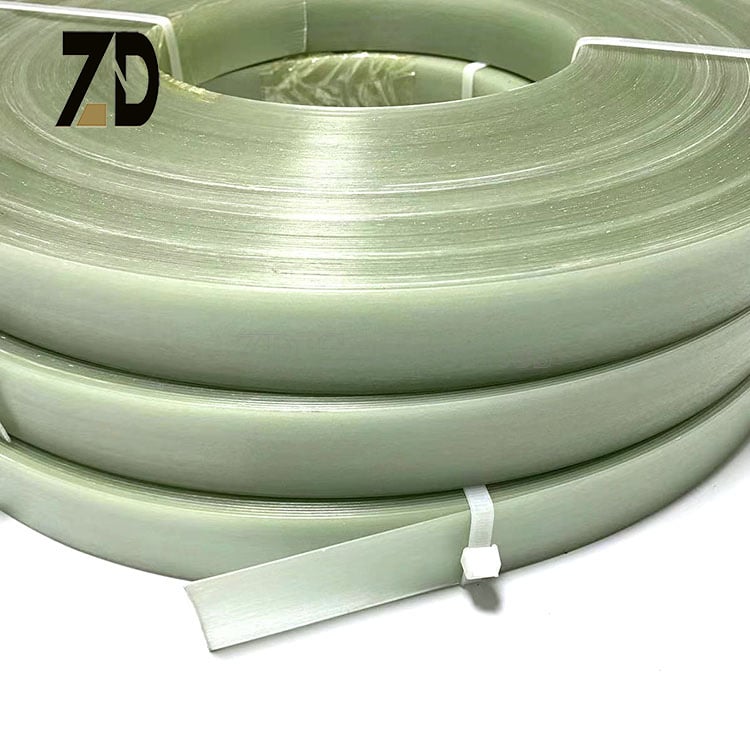
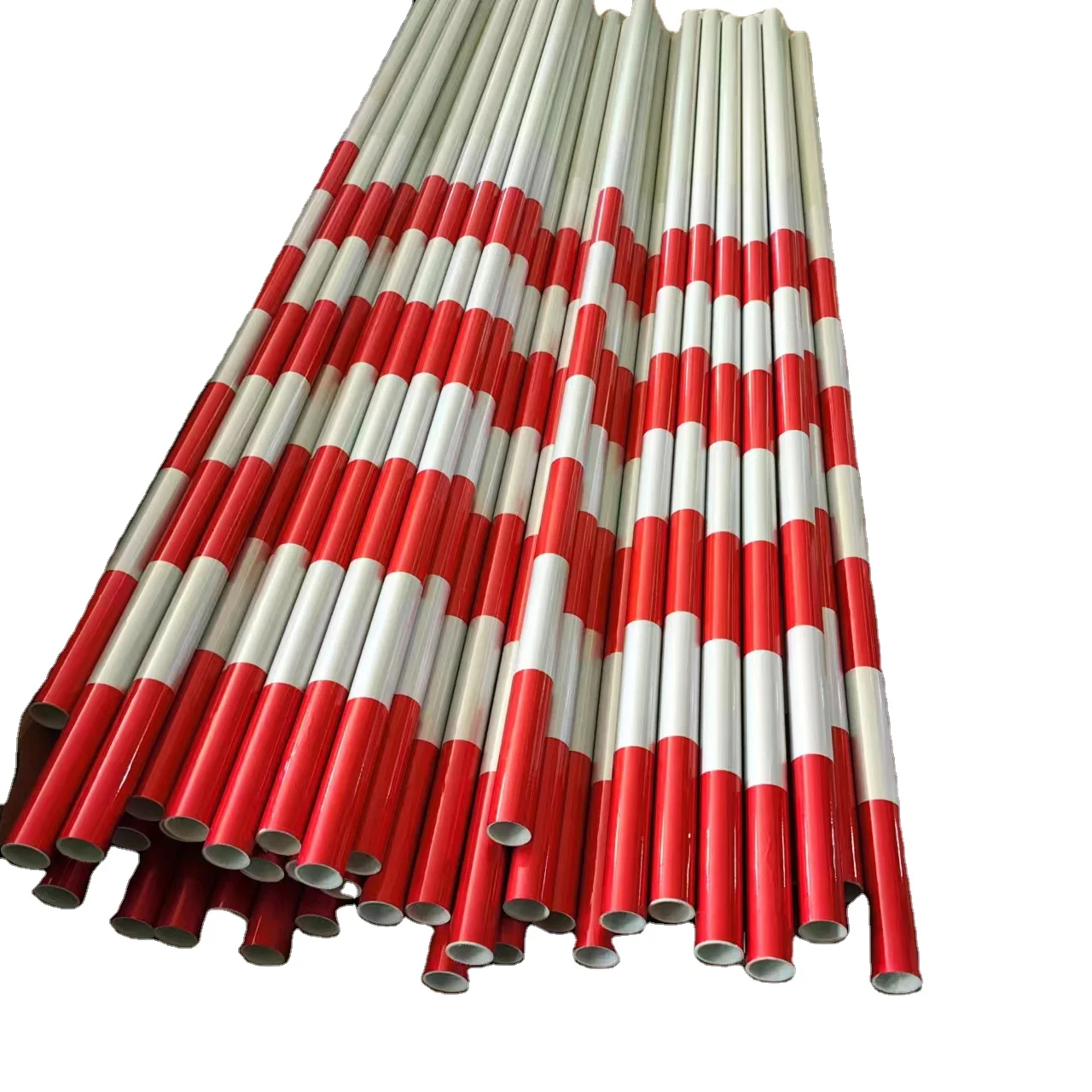
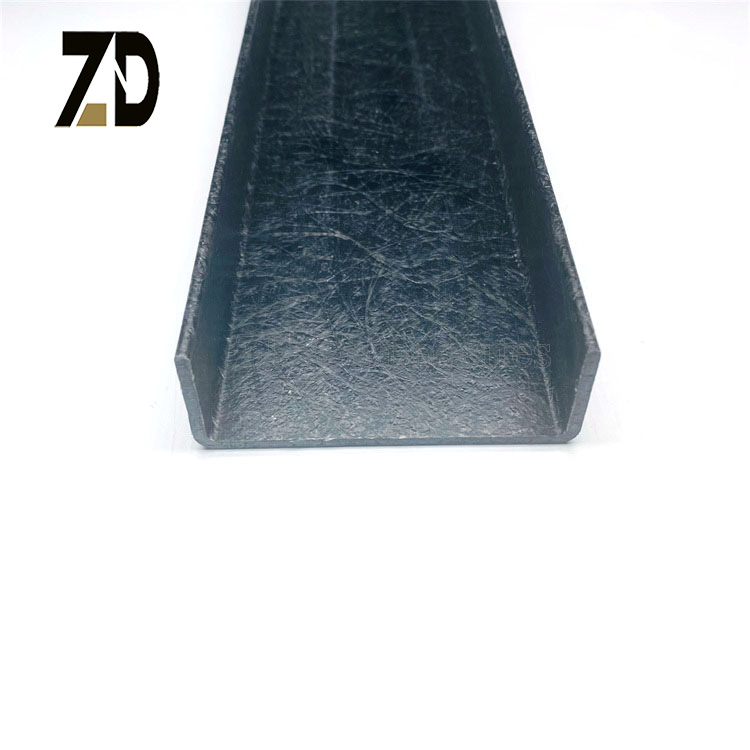
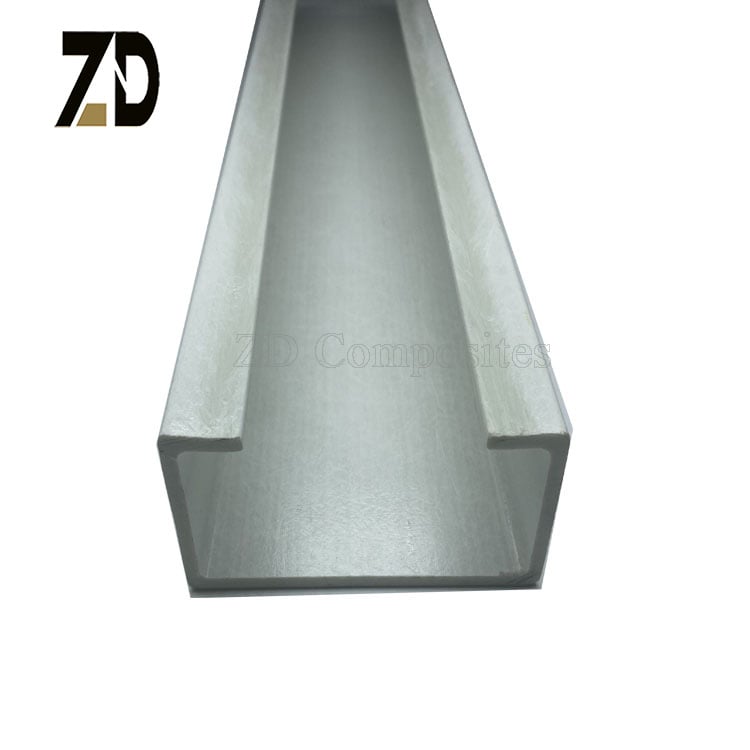
Pultrusion molding, a process that originated in the mid-20th century, was initially a "secret" of the military industry. Today, it has shed its mystique and become the most powerful large-scale production method in the composite materials industry. As a salesperson who spends many years on the front lines, I have had the privilege of witnessing how this material has gradually penetrated every corner of the construction industry.
Today, I won't delve into obscure academic terms. From a market observer's perspective, I want to talk about the rapid expansion of fiberglass pultruded products in the construction field.
I. Door and Window Profiles: More Than Just a "Fifth Generation" Innovation
If we're talking about the most practical application of pultruded products in the construction industry, it has to be doors and windows.
Anyone who has worked on construction sites knows that while traditional aluminum alloy doors and windows are sturdy, they suffer from significant thermal bridging; PVC windows offer good insulation, but they are prone to yellowing and deformation over time. Our pultruded fiberglass doors and windows are perfectly positioned to address this issue.
I still remember the first time I showed a sample window to a client. The customer tapped the profile twice with a hammer, then heated it with a lighter, finally asking, "Can this stuff be used in the Arctic?"
This is no joke. Back in 2008, pultruded profiles from China were used at Zhongshan Station in Antarctica. In the extreme environment of Antarctica, metal materials are prone to brittleness, and ordinary plastics simply can't withstand it. However, fiberglass composites, thanks to their extremely low thermal conductivity and superior weather resistance, withstood it.
Its core selling point is actually quite "sales pitch": "The strength of steel, the insulation of plastic." Pultruded window and door profiles have a tensile strength exceeding 400 MPa, about three times that of aluminum alloy. More importantly, its thermal conductivity is extremely low.
If you have the latest data on fiberglass-reinforced polyurethane windows, you can simply slap it on the table and tell the customer: the thermal conductivity of this stuff is only one seven-hundredth that of aluminum alloy. In northern environments where temperatures often drop to minus twenty or thirty degrees Celsius, using these windows can save a significant amount on indoor heating costs. With the government's "dual-carbon" policy and stringent regulations on building energy conservation, this material with inherent insulation properties is practically a godsend.
II. The "Steel Bones" of Concrete: The Rise of GFRP Reinforcement
If you think fiberglass can only be used for non-load-bearing components, you're sorely mistaken. Pultruded glass fiber reinforced polymer (GFRP) reinforcement is quietly taking over the role of traditional steel reinforcement.
Those in the construction industry know that steel reinforcement's biggest weakness is rust. Especially in coastal areas, chemical plants, or environments where bridges are exposed to de-icing salt, rusted steel reinforcement expands and can cause the concrete structure to crack—a nightmare for almost everyone in infrastructure.
I have a thick book, *GFRP Reinforced Concrete Structures and Their Engineering Applications*, with a detailed table of contents documenting how this material can replace traditional steel reinforcement. Our pultruded fiberglass reinforcement even surpasses the tensile strength of ordinary steel reinforcement, and it's non-conductive and rust-free.
Previously, on offshore platforms or in sewage treatment plants, epoxy-coated steel bars were used for rust prevention. This was not only costly, but also prone to damage during transportation and installation; once the coating broke, the rust prevention failed. Fiberglass reinforced plastic (FRP) bars, on the other hand, are inherently corrosion-resistant. Although their elastic modulus is slightly lower than that of steel bars (meaning they are "softer"), this precisely solves a major problem with concrete structures—they can be used in conjunction with high-strength steel strands and even made into transparent structures for electromagnetic shielding applications.
III. The "Hidden Champions" of Industry and Municipal Engineering: Gratings and Platforms
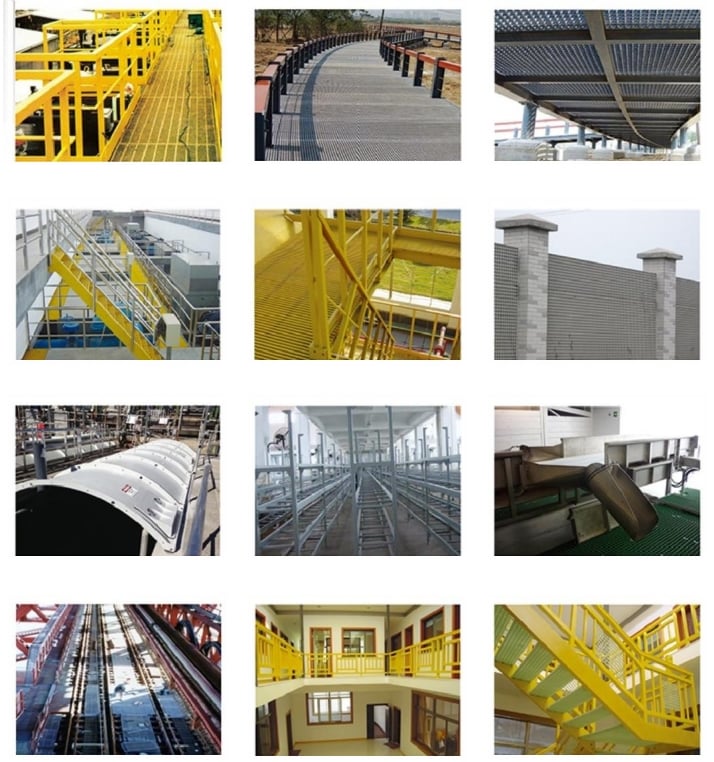
If you were to walk around the maintenance platform of a chemical plant, you would probably understand why pultruded gratings have been so popular for so many years.
Traditional steel gratings are heavy and slippery, and in environments with strong acids and alkalis, they rust beyond recognition within two years. Pultruded fiberglass gratings are practically tailor-made for this hellish environment.
From a sales perspective, I love promoting this product because its "substitutability" is so strong. You can soak a piece of pultruded grating in a hydrochloric acid pool for three days, then rinse it with water, and it will be as shiny as new. This alone was enough to convince the chemical plant owner.
Furthermore, its lightweight properties are extremely advantageous in municipal engineering. Many old bridges in cities need reinforcement, but their load-bearing capacity is limited. If you were to haul a truckload of steel up them, the bridge would nearly collapse. However, pultruded FRP pedestrian bridges or railings weigh only one-fifth of steel, and can be carried up by just a few people. Combined with the latest multi-cavity pultrusion technology, the cross-sections of the profiles can be made extremely complex, resulting in extremely high structural efficiency.
IV. Future Potential: From "Building Materials" to "Architectural Aesthetics" Having worked in sales for so many years, I have a deep feeling: the application of pultruded products in construction is only just beginning to take off.
Previously, people felt that fiberglass had too strong an industrial feel, like plastic, and wasn't high-end. But now, with advancements in pultrusion technology and surface coating technology, we can create surfaces that mimic wood grain and metallic textures. Coupled with its inherent rust-free and corrosion-resistant properties, it's ideal for outdoor pavilions, boardwalks, and even the exterior walls of seaside villas, offering both aesthetic appeal and "maintenance-free" construction—a significant cost saving for clients.
For example, high-end residential projects like Jianbang Fengjing and Guofeng Shangguan in Beijing have long used fiberglass pultruded profiles for doors and windows. National-level projects like Antarctic research stations have also specifically requested it.
Conclusion After all this, what I really want to express is that pultrusion technology is no longer just a simple production line for bonding fiberglass and resin; it's a core tool for achieving lightweight, durable, and functional buildings.
From the Antarctic window that withstands wind and snow, to the chemical plant platform that withstands corrosion, to the GFRP reinforcement supporting the cross-sea bridge, fiberglass pultruded products are weaving a safer, greener, and more durable future for modern architecture with linear profiles.
As a salesperson, I'm very fortunate to be in this industry. Because every time I introduce these products to a customer, I'm not just handing over a profile, but also a promise that it will "never rust".
 Hot News
2026-09-08
2026-09-05
2026-08-10
2026-08-05
2026-07-11
2026-04-23

 EN
EN