
 EN
EN



The Aegean Harvest Revolution: Why 4.5mm & 5mm Carbon Fiber Rods are Dominating Turkey’s Olive Groves
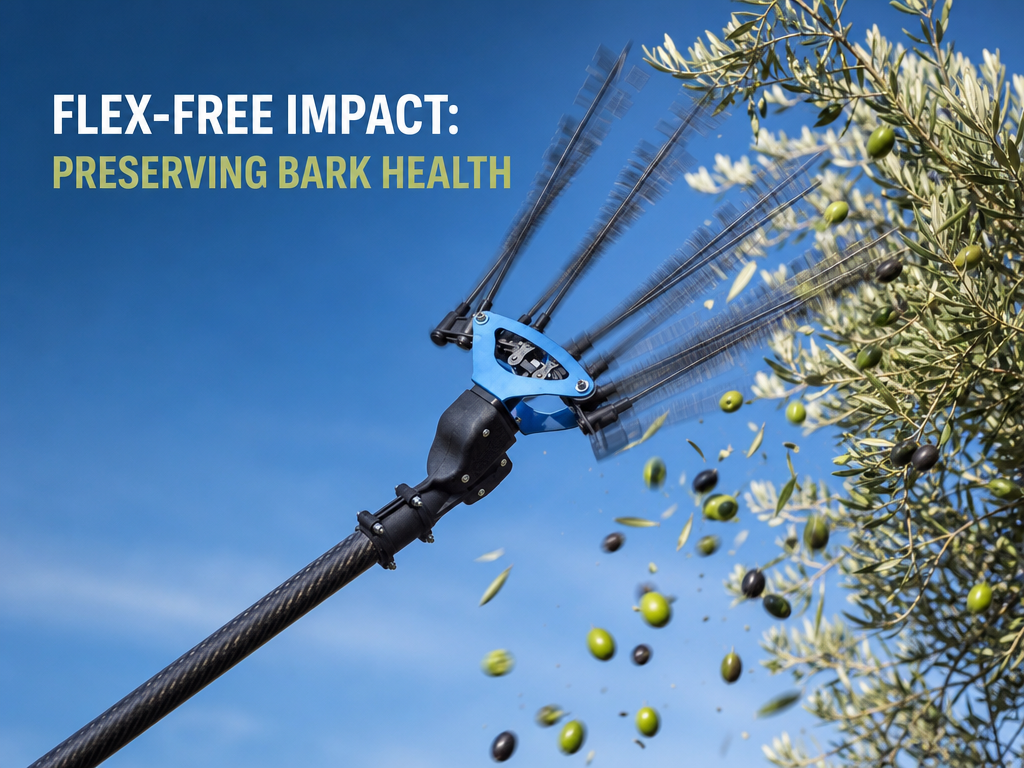
Turkey is the heartbeat of the global olive industry. From the sun-drenched hills of İzmir and Aydın to the vast groves of the Marmara and Muğla regions, olive cultivation is more than agriculture—it is a heritage. However, as labor costs rise and seasonal windows for optimal harvesting shorten, Turkish farmers and agricultural cooperatives are facing a critical technical shift: the transition from manual beating to high-frequency mechanical harvesting.
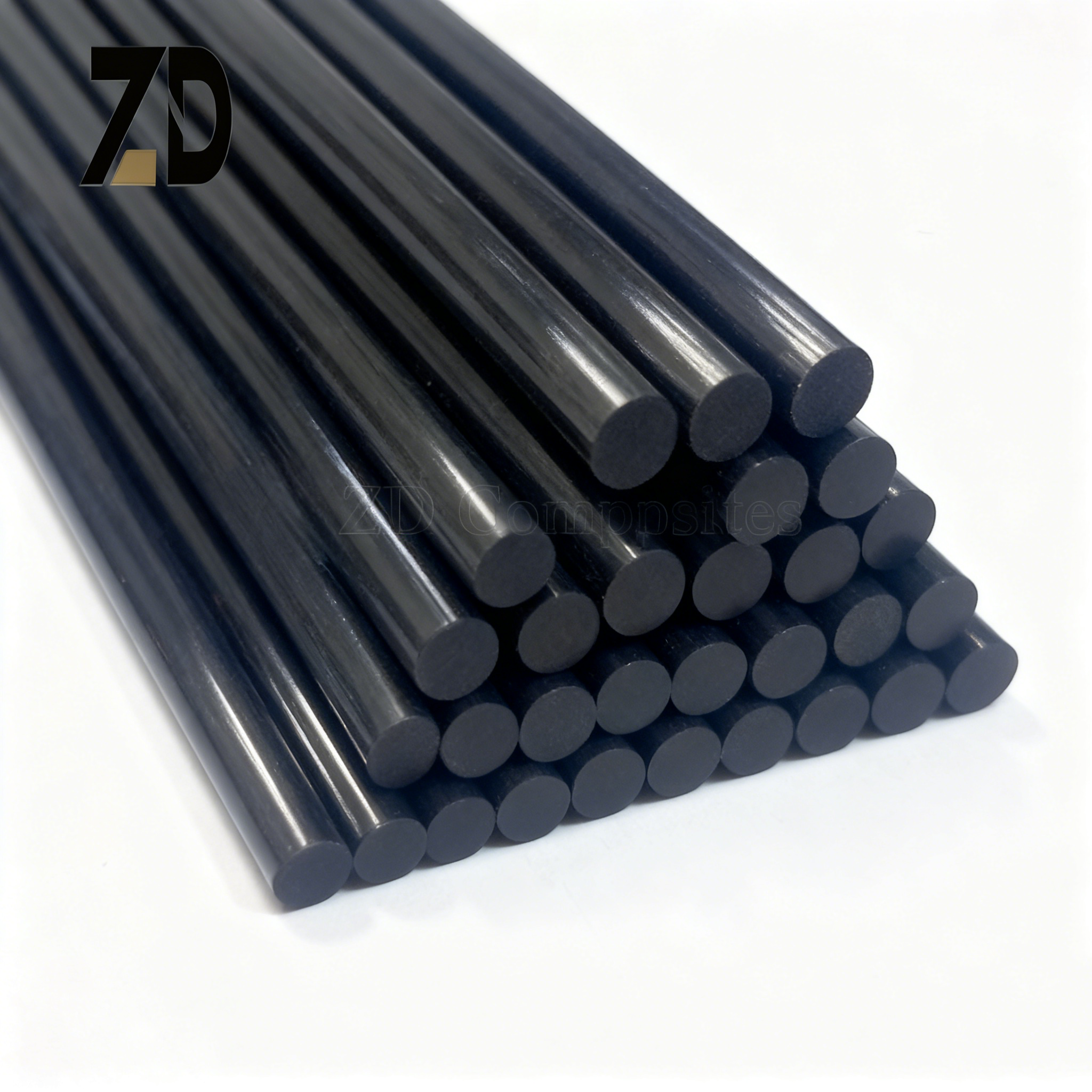
At the center of this revolution is a seemingly simple component: the carbon fiber rod. Specifically, the 4.5mm and 5mm diameter variants have become the engineering "sweet spot" for modern olive shakers. But why are these specific dimensions and materials replacing traditional plastic or metal tines in the Turkish market?
This technical analysis explores the material science, operational efficiency, and regional demand for carbon fiber rods in Turkey’s unique agricultural landscape.
1. The Physics of the Harvest: Why Carbon Fiber?
In the rugged terrain of Turkey’s olive belt, a harvesting machine must perform a violent, high-frequency task without damaging the tree's health or the fruit's skin.
Weight-to-Momentum Ratio
A traditional carbon fiber rod is roughly 75% lighter than steel and 40% lighter than aluminum. In an olive shaker oscillating at 1,200 beats per minute (BPM), weight matters. A lighter tine reduces the centrifugal force on the motor, leading to:
- Extended Battery Life: Crucial for Turkish farmers working in remote mountain groves where charging stations are miles away.
- Operator Comfort: Lower vibration levels reduce fatigue, allowing a single operator to cover more acres in a 10-hour shift during the peak November season.
The Elasticity Paradox
Unlike plastic tines that bend permanently or metal rods that can snap under the pressure of thick Aegean olive branches, a high-quality 5mm carbon fiber rod offers "Perfect Elasticity." It strikes the branches hard enough to release the fruit but flexes instantly to avoid scarring the bark—a vital factor for Turkey’s millennium-old heritage trees.
2. 4.5mm vs. 5mm: Matching the Machine to the Grove
In the Turkish market, sourcing the correct diameter is the difference between a successful harvest and a broken machine.
The 4.5mm Carbon Fiber Rod: The "Precision Specialist"
The 4.5mm carbon fiber rod is the gold standard for high-end European machines widely imported into Turkey, such as Pellenc (Olivion series) and Zanon.
- Aerodynamics: The 4.5mm profile cuts through the air with minimal resistance, maintaining higher frequencies even in dense foliage.
- Flex Profile: Ideal for thinner, high-density planting (HDP) olive groves where precision is required to avoid damaging new growth.
The 5mm Carbon Fiber Rod: The "Durability Workhorse"
For the heavy-duty electric shakers and generic pneumatic tools used in the Gemlik or Memecik olive regions, the 5mm carbon fiber rod is preferred.
- Impact Force: The slightly larger cross-section provides the extra torque needed to shake larger, riper olives from traditional, sprawling trees.
- Longevity: In rocky soils where gear takes a beating, the 5mm rod offers superior resistance to splitting and longitudinal cracking.
3. Turkey’s Market Landscape: Regional Needs and Economic Trends
The Turkish olive market is not a monolith. Different regions demand different engineering solutions for their carbon fiber rods.
The Aegean Corridor (İzmir, Manisa, Aydın)
This region produces the bulk of Turkey’s olive oil. With the expansion of industrial-scale groves, there is a massive demand for 4.5mm carbon fiber rods that can survive 24/7 operation cycles. Turkish distributors in this area prioritize "Fatigue Resistance"—the ability of the rod to maintain its modulus over millions of vibration cycles.
The Southeast Anatolia Project (Gaziantep, Kilis)
Here, the climate is harsher, and the trees are often traditional. Farmers here are increasingly looking for affordable, high-quality 5mm carbon fiber rods as they move away from manual harvesting to save on rising labor costs.
Economic ROI for the Turkish Farmer
A high-quality carbon fiber rod may cost more upfront than a plastic alternative, but the Return on Investment (ROI) is undeniable:
- 0% Delamination: Low-quality rods split, causing downtime. Premium Zhongda rods use epoxy resin systems that withstand Turkey’s high temperatures (30°C+) during the early harvest.
- 15% Increase in Yield: Faster vibration frequencies result in cleaner harvests with fewer olives left on the inner branches.
4. Engineering Excellence: The Zhongda Advantage for Turkey
At Zhongda Composites, we manufacture carbon fiber rods specifically for the rigors of the Mediterranean harvest.
Pultrusion vs. Roll-Wrapping
While many competitors offer basic pultruded rods, we have optimized our process for the "Tine" application. Our rods feature a high-volume fraction of unidirectional carbon fiber, ensuring that the carbon fiber rod does not flex out of plane during high-speed rotation.
Tip Treatment and Wear Resistance
The biggest enemy of the olive shaker is the friction between the rod tip and the branch. Our 4.5mm and 5mm rods are available with specialized surface treatments to reduce abrasion, effectively doubling the service life compared to standard B2B imports.
5. Summary Technical Specification for B2B Sourcing
| Parameter | 4.5mm Specification | 5mm Specification |
|---|---|---|
| Material Base | Toray T700 Carbon Fiber | T300/T700 Hybrid Matrix |
| Standard Lengths | 370mm, 390mm, 400mm | 380mm, 410mm, 450mm |
| Surface Finish | Smooth Gloss / Matte | Peel-Ply / Non-Slip |
| Flexural Strength | 1800 MPa | 1650 MPa |
| Common Fitment | Pellenc, Zanon, Campagnola | Generic Electric/Pneumatic |
Conclusion: Securing the Future of the Turkish Harvest
As Turkey continues to solidify its position as a global olive superpower, the demand for precision agricultural components will only grow. The carbon fiber rod is no longer a luxury; it is the essential hardware that enables efficient, tree-friendly, and cost-effective harvesting.
For Turkish agricultural distributors, cooperatives, and machinery manufacturers, choosing a 4.5mm or 5mm carbon fiber rod engineered for high-cycle fatigue is the key to conquering the upcoming harvest season.
Zhongda Composites Co., Ltd. is a global leader in high-performance carbon fiber tubes and rods. We provide customized OEM solutions for agricultural machinery manufacturers across the Mediterranean. Contact our B2B team today for bulk pricing and technical documentation tailored for the Turkish market.
Keywords: carbon fiber rod, 5mm carbon fiber rod, 4.5mm carbon fiber rod, olive harvesting machine Turkey, Pellenc carbon rod, Zanon shaker tines, Aegean olive harvest tech.