
 EN
EN


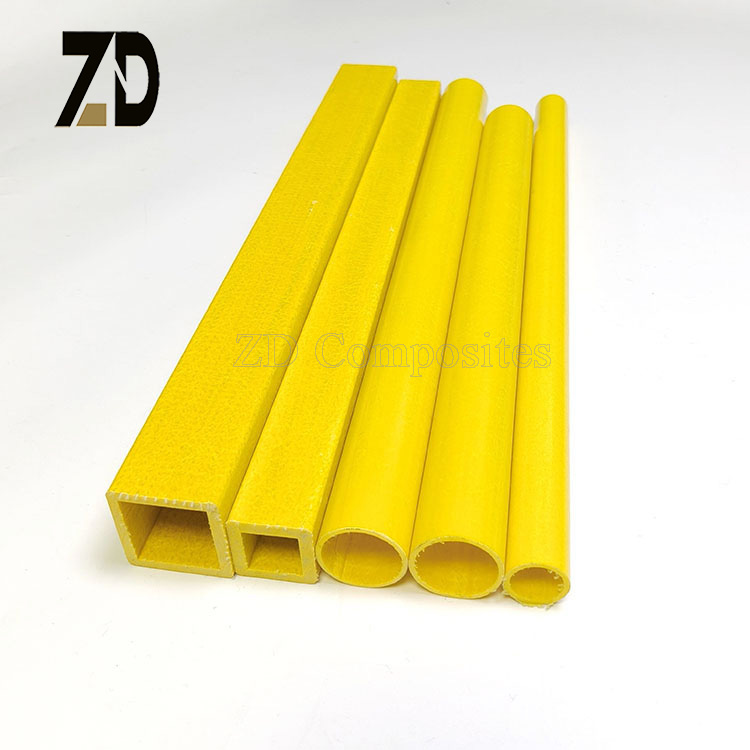
Fiberglass tubes have revolutionized modern manufacturing and construction industries with their exceptional combination of strength, durability, and versatility. These composite materials offer superior performance characteristics that make them indispensable across diverse applications ranging from aerospace engineering to marine construction. Understanding the fundamental properties and quality indicators of fiberglass tube products enables engineers and procurement professionals to make informed decisions that directly impact project success and long-term operational efficiency.
Material Composition and Manufacturing Excellence
Advanced Fiber Reinforcement Technology
The foundation of any premium fiberglass tube lies in its sophisticated material composition, where continuous glass fibers are strategically oriented to maximize structural integrity. High-quality manufacturing processes ensure that each fiberglass tube maintains consistent fiber distribution throughout its cross-sectional area, eliminating weak points that could compromise performance under stress. The resin matrix system plays a crucial role in binding these fibers together, creating a homogeneous structure that exhibits remarkable tensile strength and dimensional stability.
Modern production facilities utilize advanced pultrusion techniques to create fiberglass tube products with uniform wall thickness and precise dimensional tolerances. This manufacturing approach ensures that the reinforcing fibers remain properly aligned during the curing process, resulting in optimal load-bearing capabilities. Quality control measures throughout production include continuous monitoring of resin-to-fiber ratios, temperature profiles, and pull speeds to maintain consistent product specifications.
Resin System Selection and Optimization
The choice of resin system significantly influences the performance characteristics of a fiberglass tube, with polyester, vinyl ester, and epoxy resins each offering distinct advantages for specific applications. Polyester resins provide excellent cost-effectiveness and general-purpose performance, making them suitable for standard industrial applications where moderate chemical resistance is required. Vinyl ester resins offer enhanced corrosion resistance and elevated temperature performance, ideal for chemical processing environments.
Epoxy-based fiberglass tube products deliver superior mechanical properties and exceptional adhesion characteristics, particularly valuable in aerospace and high-performance structural applications. The curing process must be carefully controlled to ensure complete crosslinking of the resin matrix, preventing issues such as incomplete cure that could lead to premature failure or reduced service life. Advanced manufacturers implement multi-stage curing profiles that optimize both mechanical properties and dimensional accuracy.
Structural Performance and Mechanical Properties
Strength-to-Weight Ratio Excellence
One of the most compelling characteristics of high-quality fiberglass tube construction is its exceptional strength-to-weight ratio, often surpassing traditional materials like steel and aluminum in specific applications. This advantage stems from the inherent properties of glass fibers, which possess tensile strengths comparable to steel while maintaining significantly lower density. The composite structure allows for strategic fiber placement that optimizes load distribution and maximizes structural efficiency.
Testing protocols for evaluating fiberglass tube strength characteristics include three-point bending tests, axial compression evaluations, and torsional loading assessments. These comprehensive testing procedures ensure that products meet or exceed specified performance requirements across multiple loading scenarios. Quality manufacturers maintain detailed test records that document mechanical properties such as flexural strength, compressive strength, and modulus of elasticity for each production batch.
Dimensional Stability and Thermal Performance
Superior fiberglass tube products exhibit remarkable dimensional stability across wide temperature ranges, maintaining their structural integrity and geometric accuracy even under challenging environmental conditions. The coefficient of thermal expansion for quality fiberglass composites typically ranges between 6 and 12 parts per million per degree Celsius, significantly lower than many metallic alternatives. This characteristic proves particularly valuable in precision applications where dimensional changes could affect system performance.
Glass transition temperature represents another critical performance parameter that distinguishes premium fiberglass tube products from inferior alternatives. High-quality tubes maintain their mechanical properties well above normal operating temperatures, providing reliable service in applications involving elevated thermal conditions. The fiber-matrix interface plays a crucial role in thermal performance, with proper surface treatments ensuring optimal load transfer between components throughout the operating temperature range.
Durability and Environmental Resistance
Chemical Resistance and Corrosion Protection
Chemical resistance stands as one of the primary advantages driving fiberglass tube adoption across industrial applications, particularly in environments where metallic materials would suffer rapid degradation. The non-metallic composition eliminates galvanic corrosion concerns while providing excellent resistance to a broad spectrum of chemicals including acids, bases, and organic solvents. This resistance stems from the inherent properties of the glass fibers and the protective barrier provided by the resin matrix system.
Quality assessment of chemical resistance involves standardized immersion testing protocols that expose fiberglass tube samples to various chemical environments under controlled conditions. These tests evaluate parameters such as weight change, dimensional stability, and retention of mechanical properties after exposure periods ranging from weeks to months. Premium products maintain their structural integrity and appearance even after prolonged exposure to aggressive chemical environments.
UV Resistance and Weatherability
Outdoor applications demand fiberglass tube products with superior ultraviolet resistance to prevent surface degradation and maintain long-term performance. High-quality tubes incorporate UV-stable resin formulations and specialized surface treatments that protect against photodegradation. Advanced manufacturing processes may include the addition of UV absorbers and stabilizers throughout the resin matrix rather than relying solely on surface coatings.
Accelerated weathering tests using xenon arc or fluorescent UV lamps provide valuable data regarding the long-term outdoor performance of fiberglass tube materials. These tests simulate years of natural exposure in compressed timeframes, allowing manufacturers to validate product durability and establish realistic service life expectations. Quality products demonstrate minimal color change, surface chalking, or mechanical property degradation even after thousands of hours of accelerated exposure.
Quality Control and Manufacturing Standards
Production Process Monitoring
Consistent quality in fiberglass tube manufacturing requires comprehensive process monitoring and control systems that track critical parameters throughout production. Temperature control during the pultrusion process directly affects cure characteristics and final mechanical properties, necessitating precise monitoring and adjustment capabilities. Line speed, resin flow rates, and fiber tension must be maintained within narrow tolerances to ensure uniform product characteristics.
Statistical process control methodologies enable manufacturers to identify trends and variations before they result in out-of-specification products. Quality fiberglass tube producers implement real-time monitoring systems that continuously track dimensional accuracy, surface finish quality, and cure state progression. These systems generate alerts when parameters drift outside acceptable ranges, allowing for immediate corrective actions that prevent defective products from reaching customers.
Testing and Certification Protocols
Comprehensive testing protocols ensure that each fiberglass tube meets specified performance requirements and industry standards. Mechanical testing includes evaluations of tensile strength, flexural properties, and impact resistance using standardized test methods such as ASTM D638, D790, and D256. Physical property testing covers dimensional accuracy, density, and surface quality assessments that verify manufacturing consistency.
Third-party certification from recognized testing laboratories provides independent verification of product performance and quality. Many applications require compliance with specific industry standards such as ASTM, ISO, or specialized requirements for aerospace, marine, or chemical processing applications. Quality manufacturers maintain current certifications and provide detailed test reports documenting compliance with applicable standards and specifications.
Application-Specific Considerations
Industrial and Infrastructure Applications
Industrial applications of fiberglass tube products span numerous sectors including chemical processing, water treatment, power generation, and infrastructure construction. Each application presents unique requirements regarding mechanical properties, environmental resistance, and dimensional specifications. Quality assessment must consider the specific loading conditions, chemical exposure, and temperature ranges encountered in service.
Structural applications often require fiberglass tube products with enhanced stiffness characteristics achieved through optimized fiber orientations and increased fiber volume fractions. These tubes must demonstrate consistent performance under sustained loading conditions while maintaining dimensional stability over extended service periods. Quality manufacturers provide detailed engineering data including allowable stress levels, fatigue life predictions, and creep characteristics.
Aerospace and High-Performance Applications
Aerospace applications demand the highest levels of quality control and performance verification due to critical safety requirements and extreme operating conditions. Fiberglass tube products for these applications undergo extensive qualification testing including environmental cycling, vibration resistance, and flame spread evaluations. Traceability requirements mandate detailed documentation of material sources, manufacturing parameters, and quality test results.
Advanced composite structures in aerospace applications may require specialized fiberglass tube designs incorporating features such as lightning strike protection, electromagnetic interference shielding, or enhanced impact resistance. These specialized requirements necessitate close collaboration between manufacturers and end users to ensure that product specifications adequately address application-specific challenges while maintaining cost-effectiveness and manufacturability.
Selection Criteria and Procurement Guidelines
Performance Specification Development
Effective procurement of fiberglass tube products requires clear specification development that addresses both mandatory performance requirements and preferred characteristics. Mechanical property specifications should include minimum values for strength, stiffness, and impact resistance along with appropriate safety factors for the intended application. Environmental resistance requirements must specify the chemicals, temperatures, and exposure conditions the tubes will encounter in service.
Dimensional specifications should address not only nominal dimensions but also acceptable tolerances for critical parameters such as wall thickness, concentricity, and surface finish. Quality levels for visual defects, surface imperfections, and manufacturing marks require clear definition to avoid disputes during acceptance testing. Packaging and shipping requirements should address protection against damage during transit and storage conditions.
Supplier Evaluation and Quality Assurance
Supplier qualification involves comprehensive evaluation of manufacturing capabilities, quality systems, and technical support resources. Site audits provide valuable insights into production processes, quality control procedures, and manufacturing consistency. Assessment of testing facilities, calibration programs, and personnel qualifications helps ensure that suppliers can consistently deliver products meeting specified requirements.
Long-term supplier relationships benefit from regular performance monitoring and continuous improvement initiatives. Quality metrics should track parameters such as on-time delivery, dimensional conformance, mechanical property compliance, and customer service responsiveness. Collaborative problem-solving approaches enable suppliers and customers to work together in addressing application challenges and optimizing product performance for specific requirements.
FAQ
What determines the wall thickness requirements for fiberglass tube applications
Wall thickness requirements depend on the applied loads, internal pressures, and required safety factors for the specific application. Structural applications typically require thicker walls to provide adequate stiffness and strength, while pressure vessel applications must consider hoop stress calculations. Environmental factors such as chemical exposure and temperature cycling also influence wall thickness selection to ensure adequate material for long-term durability. Engineering analysis using appropriate design codes and safety factors determines the minimum wall thickness needed for reliable performance.
How does fiber orientation affect fiberglass tube performance characteristics
Fiber orientation significantly impacts the mechanical properties and performance characteristics of fiberglass tube products. Longitudinal fibers provide maximum tensile and flexural strength in the axial direction, while circumferential fibers enhance hoop strength and resistance to internal pressure. Angle-wound fibers contribute to torsional strength and overall structural stability. The optimal fiber orientation depends on the primary loading conditions and performance requirements for each specific application.
What quality certifications should be required for critical fiberglass tube applications
Critical applications should require compliance with relevant industry standards such as ASTM, ISO, or application-specific codes. Third-party testing laboratory certification provides independent verification of mechanical properties, chemical resistance, and manufacturing quality. Additional certifications may include ISO 9001 quality management system compliance, material traceability documentation, and environmental testing reports. Aerospace applications typically require additional qualifications such as AS/EN standards compliance and detailed material property databases.
How can end users verify the long-term durability of fiberglass tube products
Long-term durability verification involves reviewing accelerated aging test data, chemical resistance test results, and UV exposure evaluations conducted by the manufacturer. Field performance data from similar applications provides valuable real-world validation of expected service life. Quality manufacturers provide comprehensive technical documentation including fatigue life predictions, creep characteristics, and environmental resistance data. Regular inspection and monitoring programs during service can identify any degradation trends and validate predicted performance characteristics.
Table of Contents
- Material Composition and Manufacturing Excellence
- Structural Performance and Mechanical Properties
- Durability and Environmental Resistance
- Quality Control and Manufacturing Standards
- Application-Specific Considerations
- Selection Criteria and Procurement Guidelines
-
FAQ
- What determines the wall thickness requirements for fiberglass tube applications
- How does fiber orientation affect fiberglass tube performance characteristics
- What quality certifications should be required for critical fiberglass tube applications
- How can end users verify the long-term durability of fiberglass tube products