Superior Durability and Environmental Resistance
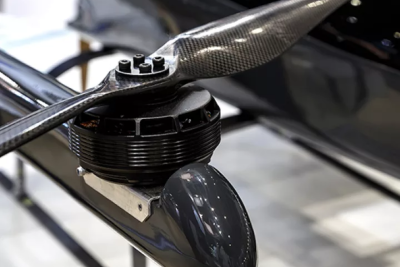
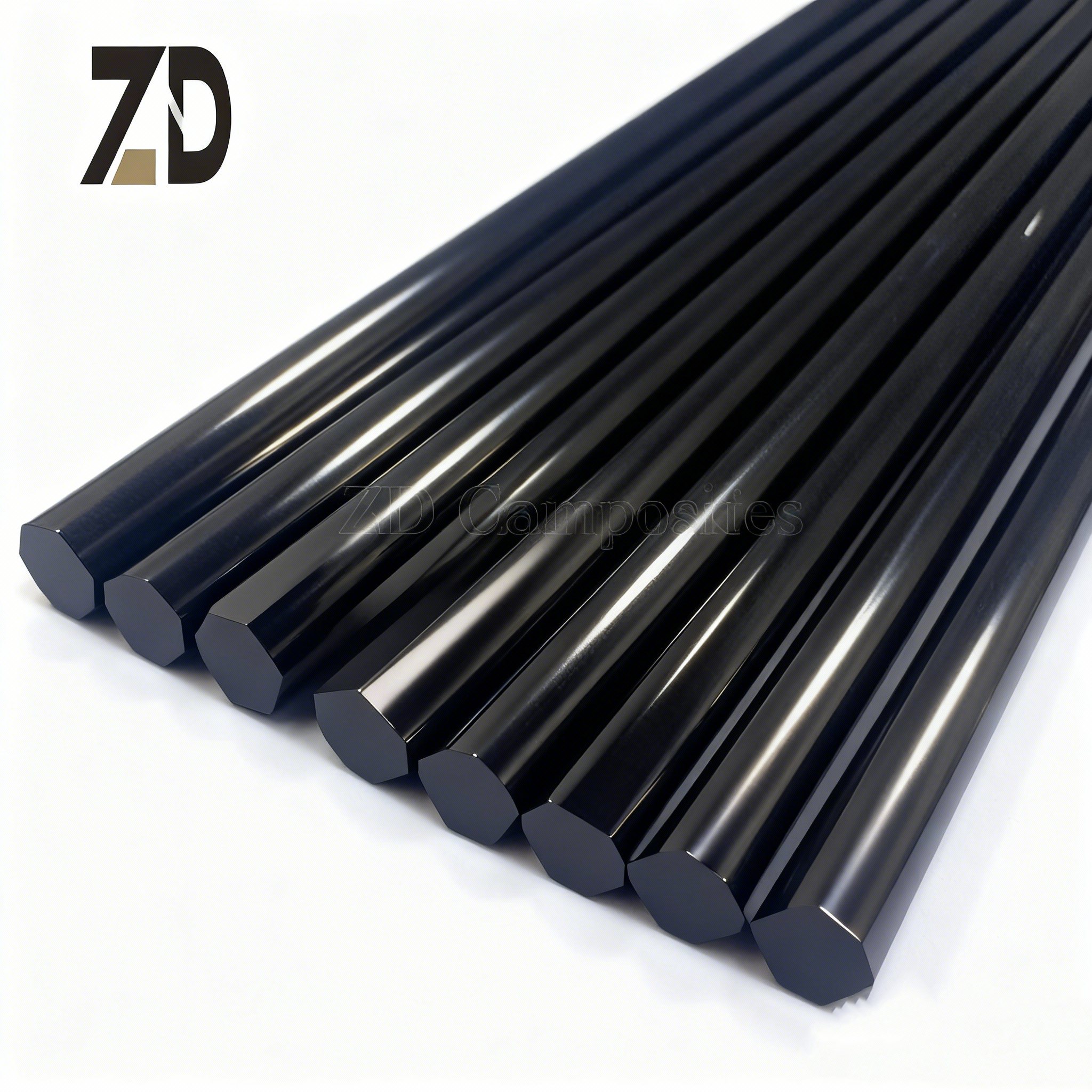
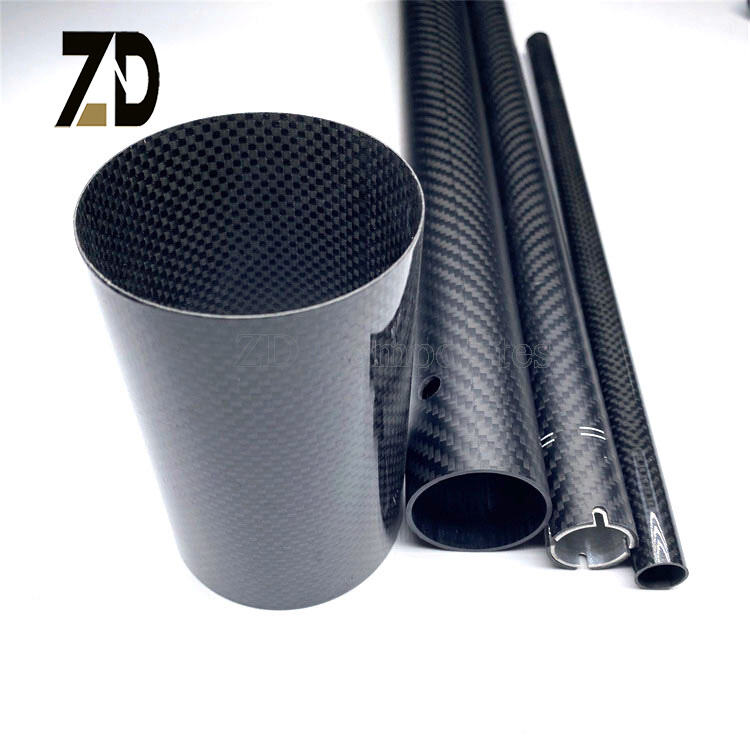
The thin wall carbon fiber tube demonstrates exceptional durability characteristics that ensure long-term performance in challenging environments where traditional materials fail. Unlike metals that suffer from fatigue crack propagation, carbon fiber composites exhibit superior fatigue resistance due to their fiber-matrix construction that distributes loads across multiple load paths. This fundamental difference means thin wall carbon fiber tubes can withstand millions of load cycles without significant degradation, making them ideal for applications involving repetitive stress patterns such as rotating machinery, vibrating equipment, and cyclic loading systems. Corrosion immunity represents a critical advantage, as the thin wall carbon fiber tube remains unaffected by moisture, salt water, chemicals, and atmospheric conditions that rapidly degrade metal alternatives. This resistance eliminates the need for protective coatings, regular maintenance, and eventual replacement due to corrosion damage, significantly reducing lifecycle costs and downtime. Temperature stability allows thin wall carbon fiber tubes to maintain their structural properties across extreme temperature ranges, from cryogenic conditions to elevated temperatures exceeding 150°C in standard epoxy systems, with specialized resins enabling even higher temperature operation. Ultraviolet radiation resistance, when properly formulated, prevents degradation from prolonged sun exposure, making these tubes suitable for outdoor applications without protective measures. The fiber-matrix interface in quality thin wall carbon fiber tubes provides excellent load transfer mechanisms, ensuring that stress distribution remains uniform even under extreme loading conditions. Impact resistance, while different from metal behavior, offers controlled failure modes that provide warning before catastrophic failure, enhancing safety in critical applications. Chemical compatibility can be tailored through resin selection, making thin wall carbon fiber tubes suitable for contact with various fluids, gases, and chemical environments. Manufacturing quality controls ensure consistent wall thickness and void-free construction, eliminating weak points that could compromise durability. Non-conductive properties in standard configurations prevent galvanic corrosion when interfacing with metal components, extending system life. The thin wall carbon fiber tube maintains dimensional stability under load, preventing creep deformation that affects metal tubes over time. Testing protocols verify durability performance through accelerated aging, cyclic loading, and environmental exposure studies, providing confidence in long-term performance predictions and warranty support.
 ×
×

 EN
EN