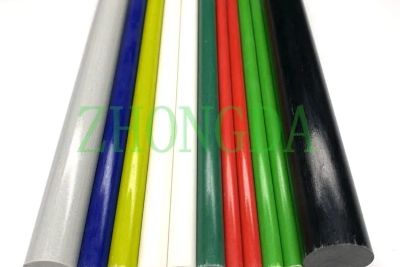
Space Efficiency and Garden Organization
Stakes for tomatoes deliver exceptional space utilization benefits that transform limited garden areas into highly productive growing environments through intelligent vertical design principles. The compact footprint requirements of stakes for tomatoes enable intensive planting arrangements that maximize production capacity within confined spaces, making them ideal solutions for urban gardens, small backyard plots, or container growing systems. This vertical approach effectively doubles or triples growing capacity compared to traditional sprawling cultivation methods that consume extensive horizontal space while delivering comparable or reduced yields. Stakes for tomatoes create systematic row arrangements that facilitate efficient maintenance pathways, irrigation line installations, and mechanical cultivation access in larger growing operations. The organized structure promotes optimal plant spacing that prevents competition for nutrients, water, and sunlight while maintaining adequate air circulation for disease prevention. Professional garden design principles incorporate stakes for tomatoes as fundamental elements that enhance aesthetic appeal while delivering practical functionality that satisfies both visual and productive requirements. The modular nature of stakes for tomatoes allows flexible configuration adjustments that accommodate varying plant sizes, seasonal growth patterns, and evolving garden layouts throughout multiple growing cycles. Companion planting opportunities expand significantly with stakes for tomatoes, as vertical space utilization creates ground level areas suitable for complementary crops such as herbs, lettuce, or flowering plants that benefit from tomato plant shade or pest deterrent effects. Container gardening applications particularly benefit from stakes for tomatoes, as limited root space restrictions require efficient above-ground space utilization to achieve acceptable production levels. The systematic organization facilitates precise resource management including fertilizer applications, pest monitoring activities, and seasonal maintenance scheduling that becomes increasingly complex with disorganized growing arrangements. Long-term garden planning benefits include simplified crop rotation implementations, infrastructure reuse capabilities, and scalable expansion options that accommodate growing gardening ambitions or changing space availability situations.
 ×
×

 EN
EN