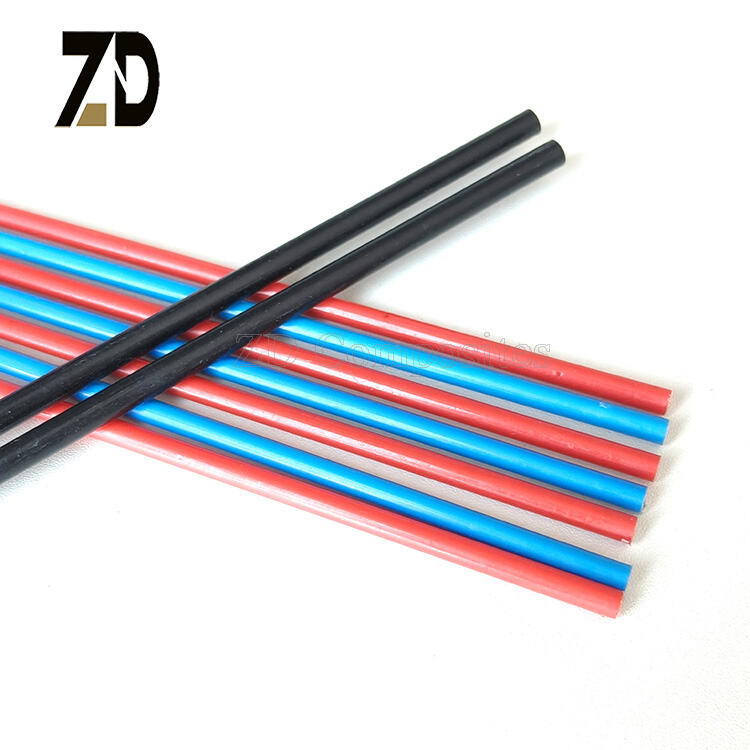
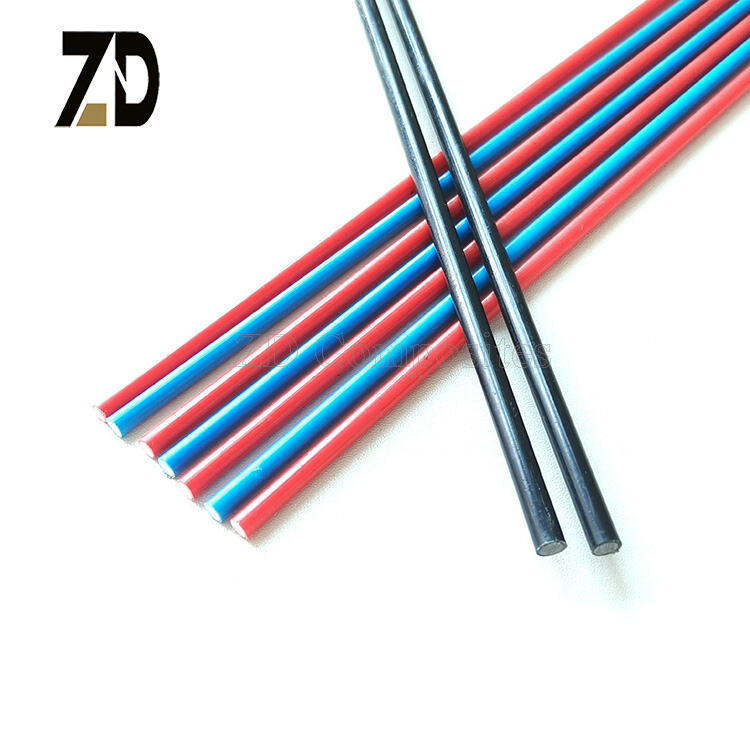
Premium Tomato Stakes - Essential Plant Support Systems for Maximum Garden Yield and Health

Get a Free Quote

Our representative will contact you soon.
Email
Name
Company Name
Message
0/1000

tomato stakes

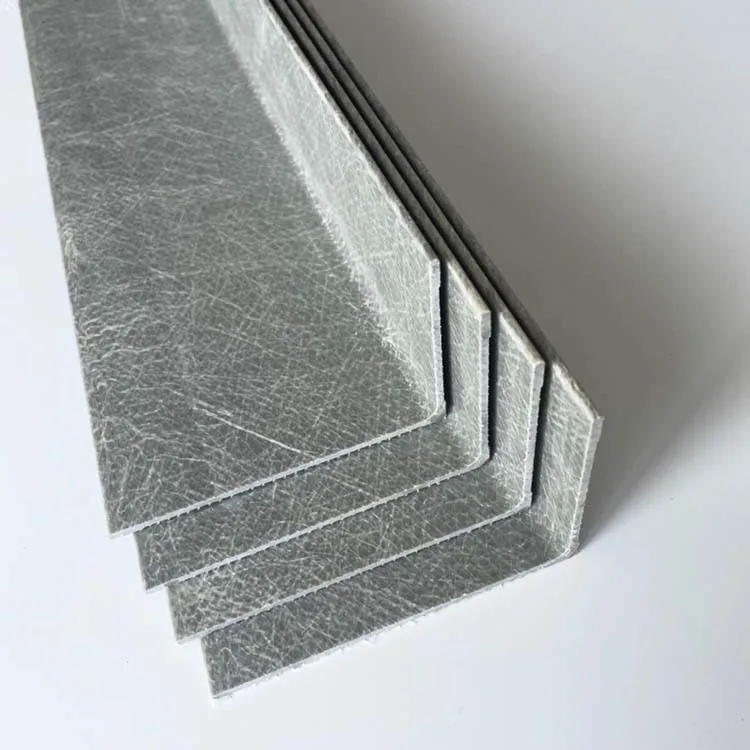
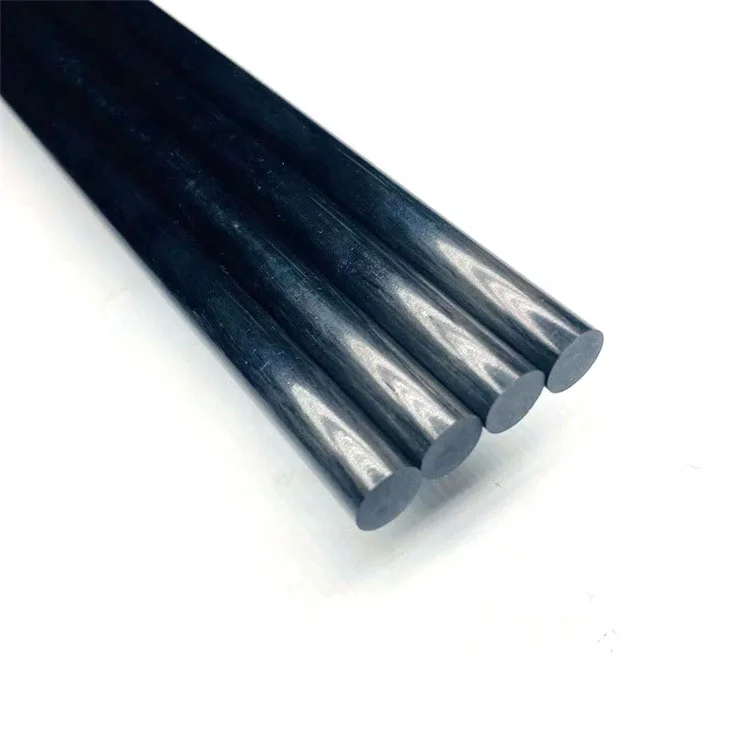
Tomato stakes represent an essential gardening solution designed specifically to provide structural support for tomato plants throughout their growing season. These vertical support systems serve multiple critical functions that directly impact plant health, fruit production, and overall garden management. The primary purpose of tomato stakes involves creating a stable framework that prevents heavy tomato vines from collapsing under their own weight, particularly when loaded with developing fruit. This support mechanism becomes increasingly important as tomato plants mature and produce larger yields. Modern tomato stakes incorporate various materials including treated wood, galvanized steel, bamboo, and composite materials, each offering distinct benefits for different growing conditions and plant varieties. The technological features of contemporary tomato stakes include weather-resistant coatings, adjustable height mechanisms, and ergonomic designs that facilitate easy installation and maintenance. Many advanced models feature integrated tie systems, spiral designs that naturally guide plant growth, and modular components that allow gardeners to customize support structures based on specific plant requirements. These stakes typically range from four to eight feet in height, accommodating various tomato cultivars from compact determinate varieties to sprawling indeterminate types. The applications extend beyond basic plant support to include improved air circulation around foliage, enhanced sunlight exposure for optimal photosynthesis, and simplified harvesting procedures. Professional agricultural operations utilize heavy-duty tomato stakes in commercial greenhouse environments and field production systems, while home gardeners benefit from user-friendly versions designed for backyard cultivation. The strategic placement of tomato stakes enables better pest management by elevating plants away from soil-borne insects and reducing fungal disease risks associated with ground contact. These support systems also facilitate efficient space utilization in compact garden areas, allowing for higher planting densities without compromising plant health or productivity.

Popular Products

Tomato stakes deliver numerous practical benefits that transform the gardening experience for both novice and experienced cultivators. The most immediate advantage involves preventing plant damage caused by wind, heavy rainfall, or the natural weight of developing fruit clusters. When tomato plants lack proper support, branches frequently break or bend excessively, leading to reduced harvests and weakened plant structures. Installing quality tomato stakes eliminates these risks while promoting healthier growth patterns throughout the growing season. Garden maintenance becomes significantly easier with proper staking systems in place. Elevated plants allow gardeners to walk between rows without stepping on spreading vines, reducing accidental damage during routine care activities like watering, pruning, and pest inspection. This accessibility improvement saves considerable time and effort while ensuring consistent plant care throughout the growing cycle. Disease prevention represents another crucial advantage of using tomato stakes effectively. Keeping foliage and fruit elevated above ground level dramatically reduces exposure to soil-borne pathogens, fungal spores, and bacterial infections that commonly affect tomato crops. Improved air circulation around supported plants creates an environment less conducive to moisture-related diseases like blight and mildew. Harvesting efficiency increases substantially when tomato stakes properly support mature plants. Elevated fruit clusters remain visible and easily accessible, eliminating the need to search through ground-level vegetation for ripe tomatoes. This visibility also enables better timing for harvest, ensuring optimal flavor and nutritional content. Space optimization becomes possible in gardens with limited area when vertical growing techniques utilize sturdy tomato stakes. Plants grown upward rather than sprawling outward allow for intensive cultivation methods that maximize yield per square foot. This vertical approach particularly benefits urban gardeners and those working with small plot restrictions. The investment in quality tomato stakes pays dividends through increased productivity, reduced crop losses, and simplified garden management. Long-term durability ensures these support systems provide value across multiple growing seasons, making them cost-effective additions to any vegetable garden setup.

Practical Tips

How to Make a Carbon Fiber Box: Choosing the Right Prepreg, Resin & Mold

20

Oct

How to Make a Carbon Fiber Box: Choosing the Right Prepreg, Resin & Mold

View More
The advantages of fiberglass stakes

20

Oct

The advantages of fiberglass stakes

View More
Applications and advantages of carbon fiber materials in industry

27

Oct

Applications and advantages of carbon fiber materials in industry

View More

Get a Free Quote

Our representative will contact you soon.
Email
Name
Company Name
Message
0/1000

tomato stakes

Enhanced Plant Health and Disease Prevention

Enhanced Plant Health and Disease Prevention

The implementation of robust tomato stakes creates a foundation for superior plant health management that extends far beyond basic structural support. When tomato plants receive proper vertical guidance through quality staking systems, their entire physiological development improves dramatically. The elevation achieved through strategic staking promotes optimal air circulation around all plant surfaces, creating an environment that naturally discourages the development of common fungal diseases such as early blight, late blight, and powdery mildew. These moisture-loving pathogens thrive in humid, stagnant conditions typically found when plants sprawl across the ground or grow in dense, unsupported clusters. Tomato stakes eliminate these problematic conditions by maintaining proper spacing between branches and ensuring adequate airflow throughout the plant canopy. The health benefits compound as supported plants develop stronger root systems due to reduced stress on the main stem and branches. When heavy fruit loads are properly distributed along supported vines rather than pulling plants toward the ground, root networks can focus energy on nutrient uptake and expansion rather than compensating for structural instability. This improved root development translates directly into enhanced nutrient absorption, leading to more vigorous growth and higher-quality fruit production. Sunlight penetration improves significantly in staked tomato plants, ensuring that lower leaves and interior branches receive adequate photosynthetic light. This comprehensive light exposure promotes even ripening, reduces the incidence of green shoulders on fruit, and maintains healthy foliage throughout the growing season. The prevention of soil contact represents another critical health advantage, as ground-dwelling insects, slugs, and various pests cannot easily access elevated plant portions. This natural pest barrier reduces the need for chemical interventions while maintaining crop integrity. Professional growers and home gardeners consistently report reduced disease pressure and improved overall plant vitality when utilizing appropriate tomato stakes compared to unsupported growing methods.
Maximized Yield and Fruit Quality

Maximized Yield and Fruit Quality

Strategic implementation of tomato stakes directly correlates with substantial increases in both harvest quantity and fruit quality, making them indispensable tools for serious tomato cultivation. The vertical growing environment created by proper staking allows plants to develop their full genetic potential by providing optimal conditions for flower formation, fruit set, and maturation processes. When tomato vines receive adequate support, they can dedicate more energy toward reproductive growth rather than expending resources on structural reinforcement and damage recovery. This energy redirection results in increased flower clusters, higher fruit set percentages, and larger individual tomatoes with superior flavor profiles. The improved sunlight exposure achieved through vertical growth ensures uniform ripening across all fruit surfaces, eliminating common problems like uneven coloration and poor flavor development found in ground-grown tomatoes. Supported plants also experience reduced fruit drop, as mechanical stress on branches diminishes significantly when proper tomato stakes bear the weight of heavy fruit clusters. Quality improvements extend beyond appearance to include enhanced nutritional content, as properly supported plants can maintain active photosynthesis throughout their entire leaf surface area. This sustained photosynthetic activity produces higher concentrations of lycopene, vitamin C, and other beneficial compounds that contribute to both flavor and health benefits. Harvest timing becomes more predictable with staked plants, as uniform growing conditions promote consistent maturation schedules. This predictability allows gardeners to plan succession plantings more effectively and ensures optimal harvest windows for peak flavor and storage quality. Commercial operations particularly benefit from the standardization that tomato stakes provide, as uniform plant architecture facilitates mechanical harvesting and reduces labor costs. The extended growing season possible with supported plants often yields additional harvest cycles, as healthy, well-structured vines continue producing viable fruit later into the season compared to stressed, unsupported alternatives. Investment in quality tomato stakes consistently delivers measurable returns through increased yields, premium fruit quality, and extended productive periods.

Simplified Garden Management and Space Efficiency

Simplified Garden Management and Space Efficiency

The organizational benefits of tomato stakes extend far beyond plant support, transforming garden layouts into highly efficient, manageable growing systems that maximize both productivity and ease of maintenance. When gardens utilize systematic staking approaches, the resulting vertical architecture creates clear pathways and defined growing zones that facilitate every aspect of plant care from planting through harvest. This organized structure eliminates the chaotic sprawl typical of unsupported tomato gardens, where intertwined vines create obstacles for routine maintenance activities. Garden accessibility improves dramatically as staked plants occupy predictable vertical spaces rather than spreading unpredictably across ground surfaces. Maintenance tasks such as watering, fertilizing, pruning, and pest inspection become streamlined operations when tomato stakes create uniform plant architecture. Workers can move efficiently between rows without damaging plants or struggling to locate specific areas requiring attention. This accessibility reduces the time investment required for garden care while ensuring more thorough and consistent maintenance practices. Space utilization reaches optimal levels through vertical growing techniques enabled by sturdy tomato stakes. Gardens can accommodate significantly more plants per square foot when vertical growth replaces horizontal sprawl, making intensive cultivation possible even in limited spaces. Urban gardeners and those with small plot restrictions particularly benefit from this space multiplication effect, often achieving yields comparable to much larger traditional gardens. The systematic organization facilitated by tomato stakes also enables more precise resource management, as uniform plant spacing allows for calculated water and fertilizer applications rather than guesswork distributions. Companion planting strategies become more viable when tomato stakes create defined growing zones, allowing for strategic placement of beneficial plants like basil, marigolds, or peppers between staked tomato rows. This integrated approach maximizes garden biodiversity while maintaining organized, manageable growing systems. Long-term garden planning benefits from the standardization that tomato stakes provide, as consistent plant architecture enables accurate yield predictions, resource planning, and seasonal scheduling. The professional appearance and systematic organization achieved through proper staking also increases property values and creates attractive landscape features that combine functionality with aesthetic appeal.

Get a Free Quote

Our representative will contact you soon.
Email
Name
Company Name
Message
0/1000