Premium Fiberglass Garden Stakes - Durable, Lightweight Plant Support Solutions

Get a Free Quote

Our representative will contact you soon.
Email
Name
Company Name
Message
0/1000

fiberglass garden stake

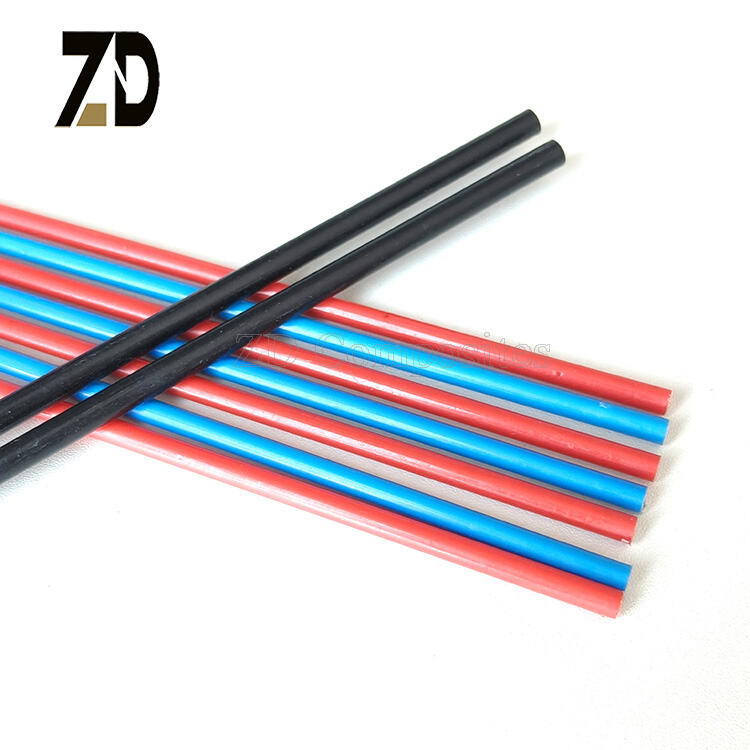
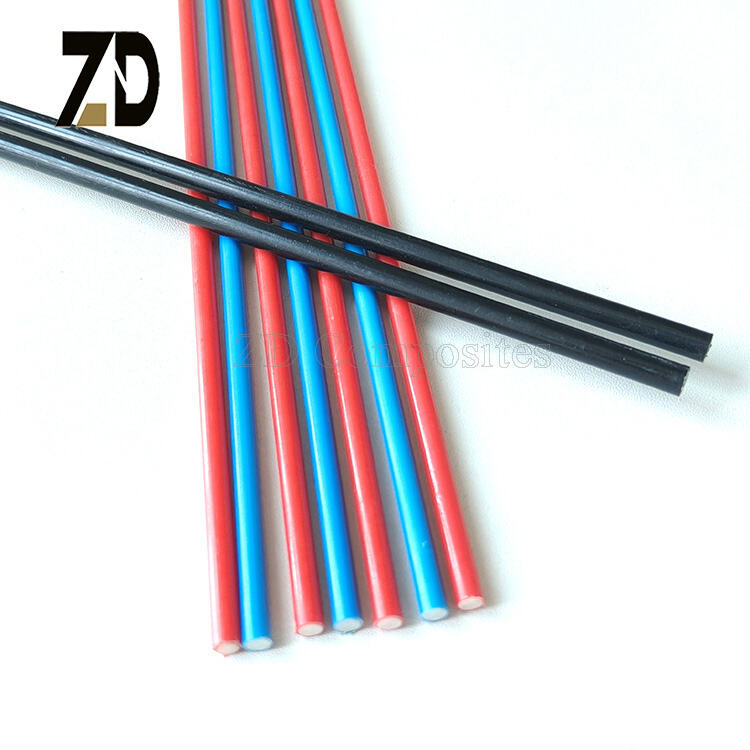
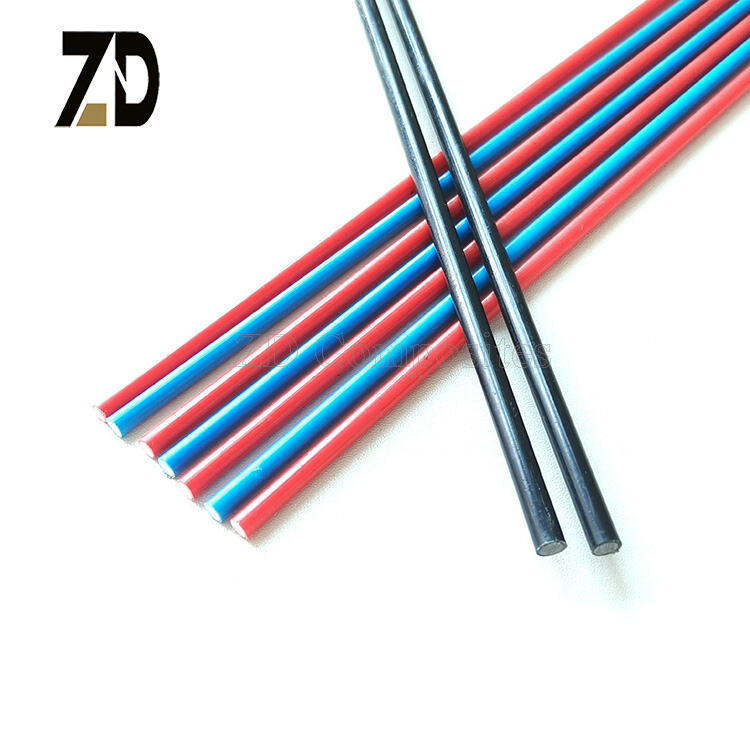
The fiberglass garden stake represents a revolutionary advancement in plant support technology, offering gardeners and agricultural professionals an exceptional alternative to traditional wooden and metal stakes. Manufactured from high-strength fiberglass composite materials, these innovative stakes combine lightweight construction with remarkable durability, making them ideal for supporting various plants throughout their growth cycles. The fiberglass garden stake features a unique composition that includes woven glass fibers embedded in a protective resin matrix, creating a structure that resists weathering, UV degradation, and moisture absorption. This technological foundation ensures long-lasting performance across diverse environmental conditions. The primary function of a fiberglass garden stake involves providing structural support to plants, preventing them from bending or breaking under wind pressure, heavy fruit loads, or natural growth patterns. These stakes excel in supporting tomatoes, peppers, beans, roses, and numerous other garden plants that require vertical guidance. The non-conductive properties of fiberglass make these stakes particularly valuable in areas where electrical safety concerns exist, such as near power lines or electrical equipment. Unlike metal alternatives, fiberglass garden stakes never rust, corrode, or conduct electricity, ensuring both plant safety and human protection. The smooth surface texture prevents damage to plant stems and ties, while the consistent diameter maintains uniform support throughout the stake's length. Applications for fiberglass garden stakes span residential gardens, commercial nurseries, agricultural operations, and landscaping projects. Their versatility makes them suitable for indoor greenhouse environments as well as outdoor cultivation areas. The stakes integrate seamlessly with various plant training systems, including tomato cages, trellis networks, and espalier configurations. Professional growers appreciate the consistent quality and reliable performance that fiberglass garden stakes deliver season after season, making them a cost-effective investment for serious gardening endeavors.

Popular Products

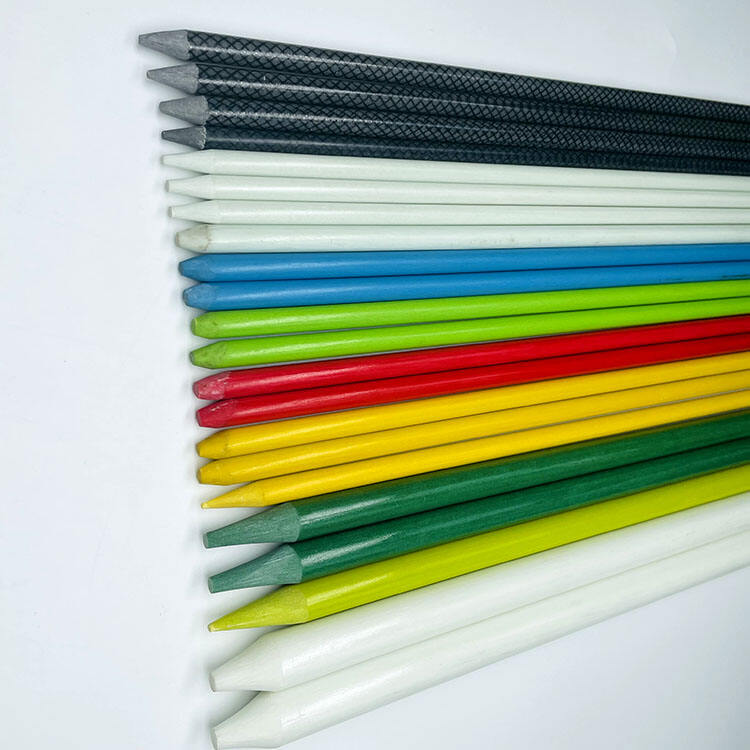
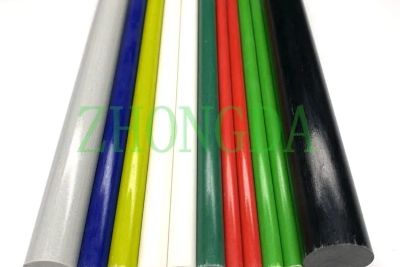
Fiberglass garden stakes deliver numerous practical advantages that make them superior choices for plant support applications across various growing environments. The lightweight nature of these stakes dramatically reduces handling fatigue during installation and maintenance tasks, allowing gardeners to work more efficiently without experiencing the strain associated with heavier alternatives. This weight reduction becomes particularly beneficial when installing multiple stakes across large garden areas or commercial growing operations. The exceptional strength-to-weight ratio ensures that fiberglass garden stakes provide robust support despite their lighter construction, effectively handling wind loads and plant weight without compromising stability. Weather resistance stands as another significant advantage, as fiberglass garden stakes withstand extreme temperature fluctuations, intense UV radiation, heavy rainfall, and freeze-thaw cycles without deteriorating. This durability eliminates the need for frequent replacements, reducing long-term maintenance costs and labor requirements. The non-porous surface prevents moisture absorption, which eliminates rot, decay, and insect infestation problems commonly associated with wooden stakes. Unlike metal stakes, fiberglass versions never rust or corrode, maintaining their structural integrity and appearance throughout extended use periods. The smooth surface finish protects delicate plant stems from scratches and abrasions that can occur with rougher materials, promoting healthier plant development and reducing stress-related growth issues. Installation becomes significantly easier with fiberglass garden stakes due to their flexibility and resistance to splitting or cracking during insertion into various soil types. The stakes penetrate compacted soil more easily than rigid alternatives while maintaining their shape and structural integrity. Color options allow gardeners to choose stakes that blend naturally with their landscape design or provide high visibility for easy identification during maintenance activities. The chemical inertness of fiberglass ensures that no harmful substances leach into the soil, maintaining optimal growing conditions for organic and conventional cultivation methods. Electrical safety represents a crucial advantage in modern gardens where irrigation systems, lighting, and other electrical equipment operate in close proximity to plant support structures. The non-conductive properties of fiberglass garden stakes eliminate electrical hazard risks, providing peace of mind for gardeners working in these environments. Storage and transportation benefits include space-efficient stacking capabilities and reduced shipping costs due to lower weight compared to traditional alternatives.

Tips And Tricks

How to Make a Carbon Fiber Box: Choosing the Right Prepreg, Resin & Mold

20

Oct

How to Make a Carbon Fiber Box: Choosing the Right Prepreg, Resin & Mold

View More
The advantages of fiberglass stakes

20

Oct

The advantages of fiberglass stakes

View More
Applications and advantages of carbon fiber materials in industry

27

Oct

Applications and advantages of carbon fiber materials in industry

View More

Get a Free Quote

Our representative will contact you soon.
Email
Name
Company Name
Message
0/1000

fiberglass garden stake

Superior Weather Resistance and Longevity

Superior Weather Resistance and Longevity

The exceptional weather resistance of fiberglass garden stakes sets them apart from conventional plant support materials, delivering unmatched longevity that provides outstanding value for gardening investments. The advanced composite construction incorporates specially formulated resin systems that create an impermeable barrier against moisture infiltration, preventing the internal degradation that commonly affects wooden stakes exposed to wet conditions. This moisture resistance eliminates concerns about rot, fungal growth, and structural weakening that plague organic materials in humid climates or areas with frequent rainfall. The UV-stabilized resin matrix protects the internal glass fibers from solar radiation damage, ensuring that fiberglass garden stakes maintain their structural integrity and color stability even after years of direct sunlight exposure. Traditional materials like untreated wood often crack, split, and deteriorate under intense UV radiation, while metal stakes may experience surface oxidation that compromises their appearance and structural reliability. The thermal stability of fiberglass allows these stakes to withstand extreme temperature variations without experiencing the expansion and contraction cycles that can loosen soil connections or create stress fractures in brittle materials. During harsh winter conditions, fiberglass garden stakes flex rather than snap when subjected to ice loads or ground movement, maintaining their support function throughout freeze-thaw cycles that destroy more rigid alternatives. The chemical resistance inherent in fiberglass construction protects against agricultural chemicals, fertilizers, and soil amendments that might corrode metal stakes or accelerate decomposition in wooden alternatives. This chemical inertness ensures that fiberglass garden stakes remain safe for use in organic growing systems where soil contamination concerns are paramount. The non-porous surface prevents the accumulation of dirt, algae, and other organic matter that can harbor plant diseases or create unsightly appearances on support structures. Cleaning becomes effortless with simple water rinsing, maintaining the professional appearance that enhances overall garden aesthetics. The dimensional stability of fiberglass garden stakes ensures consistent performance throughout their service life, as they do not warp, twist, or develop irregular shapes that compromise their support effectiveness or visual appeal.
Lightweight Design with Maximum Strength

Lightweight Design with Maximum Strength

The innovative engineering behind fiberglass garden stakes achieves an optimal balance between lightweight portability and maximum structural strength, revolutionizing the way gardeners approach plant support installations. The proprietary fiber orientation within each fiberglass garden stake creates directional strength that maximizes load-bearing capacity along the vertical axis while maintaining flexibility that prevents catastrophic failure under unexpected lateral forces. This engineered strength distribution allows a single fiberglass garden stake to support plants with substantial weight loads, including heavily fruited tomato plants, climbing roses with dense foliage, or tall perennials subject to wind stress. The weight reduction compared to traditional materials translates into significant ergonomic benefits for gardeners, particularly those managing large installations or dealing with mobility limitations that make handling heavy stakes challenging. Professional landscapers and commercial growers report dramatic improvements in installation efficiency when switching to fiberglass garden stakes, as workers can carry more stakes per trip and install them with less physical strain. The reduced weight also minimizes soil disturbance during installation, as the stakes require less driving force to achieve proper penetration depth, preserving root zone integrity around established plants. Transportation advantages become apparent when moving supplies to remote garden locations or elevated growing areas where every pound of equipment weight matters. The strength characteristics of fiberglass garden stakes enable them to flex under wind loads rather than breaking suddenly like brittle materials, providing dynamic support that moves with plants during storms while maintaining structural integrity. This flexibility prevents the transmission of rigid stress points to plant stems that can cause breakage at attachment points, a common problem with inflexible metal stakes. The consistent strength properties throughout the stake length eliminate weak points that develop in wooden stakes due to grain irregularities or moisture-induced splitting. Load testing demonstrates that fiberglass garden stakes maintain their rated strength capacity throughout their service life, unlike wooden alternatives that gradually weaken due to weathering and biological degradation. The engineered construction process ensures uniform quality control, eliminating the strength variations found in natural materials where individual pieces may have hidden defects or inconsistent characteristics.
Electrical Safety and Non-Conductive Properties

Electrical Safety and Non-Conductive Properties

The inherent electrical safety features of fiberglass garden stakes provide crucial protection in modern gardening environments where electrical systems increasingly integrate with cultivation practices, making these stakes essential components for safe and compliant installations. The non-conductive nature of fiberglass materials completely eliminates the risk of electrical shock or electrocution that exists with metal stakes in areas where irrigation systems, landscape lighting, or electrical tools operate in close proximity to plant support structures. This electrical isolation becomes particularly critical in commercial growing operations where workers regularly handle metal tools and equipment around automated irrigation systems that may develop ground faults or wiring issues. The dielectric strength of fiberglass garden stakes exceeds industry safety standards by substantial margins, providing reliable protection even in high-voltage environments such as areas near overhead power lines or electrical distribution equipment. Professional electricians and safety inspectors recognize fiberglass garden stakes as approved non-conductive materials for use in electrical safety zones where metallic objects could create hazardous conditions. The electrical isolation properties extend beyond direct shock protection to include electromagnetic interference prevention, as fiberglass stakes do not create conductive pathways that can disrupt sensitive electronic equipment such as automated watering controllers or soil monitoring systems. Insurance companies increasingly recognize the liability reduction benefits of using non-conductive materials in commercial operations, as fiberglass garden stakes help minimize electrical accident risks that could result in costly claims or regulatory penalties. The safety advantages become especially important in wet conditions when soil moisture creates additional conductive pathways that increase electrical hazard risks with metal stakes, while fiberglass materials maintain their insulating properties regardless of moisture content. Educational institutions and public gardens often mandate the use of non-conductive support materials to ensure visitor safety and comply with strict liability requirements, making fiberglass garden stakes the preferred choice for these applications. The non-magnetic properties of fiberglass prevent interference with compass readings and electronic navigation equipment used in precision agriculture applications, ensuring accurate field mapping and automated equipment operation. Emergency responders appreciate the electrical safety features of fiberglass garden stakes during power outages or storm damage situations where downed electrical lines may energize metallic objects, creating hidden hazards that non-conductive materials help eliminate.

Get a Free Quote

Our representative will contact you soon.
Email
Name
Company Name
Message
0/1000