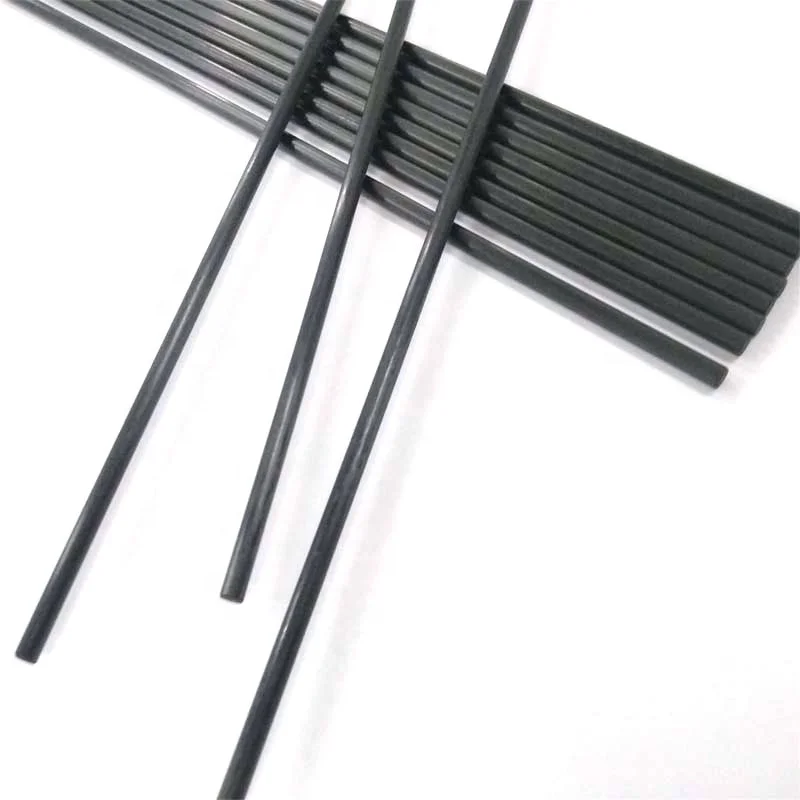
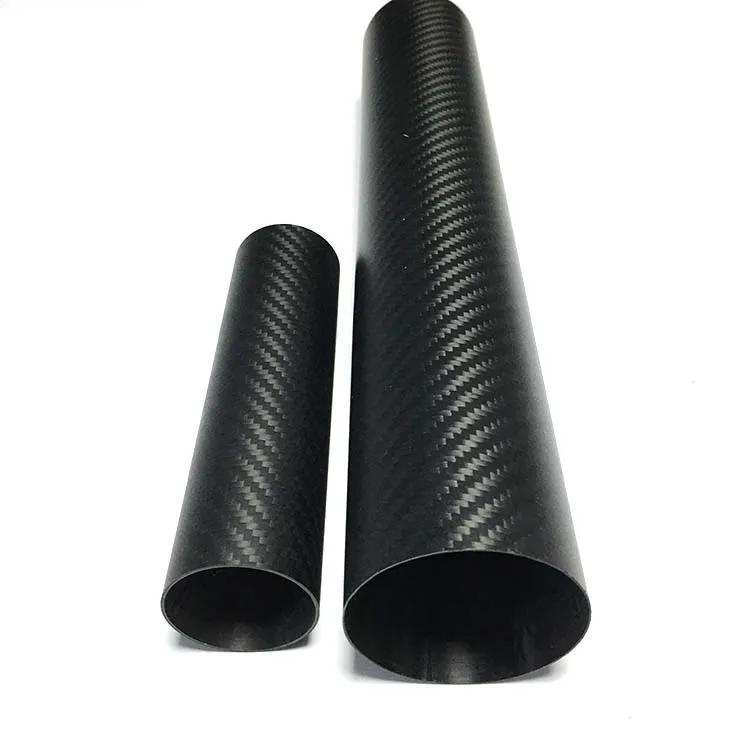
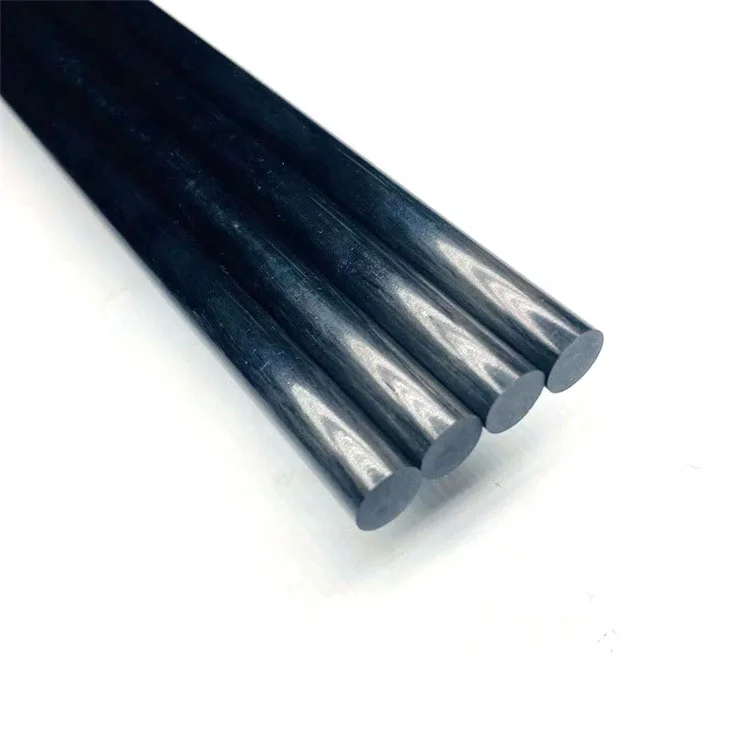
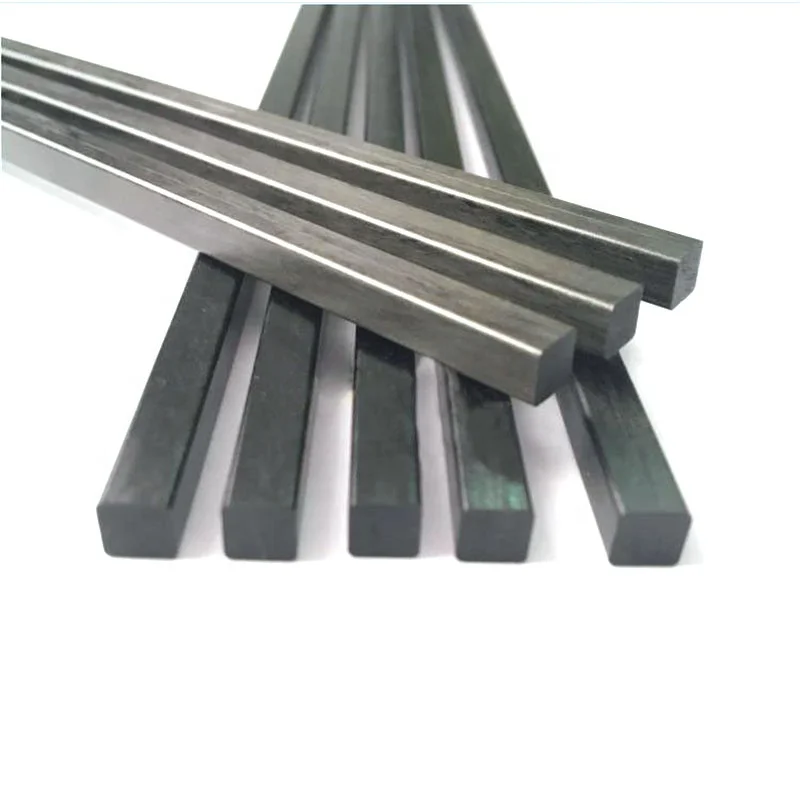
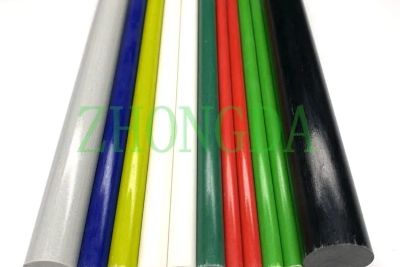
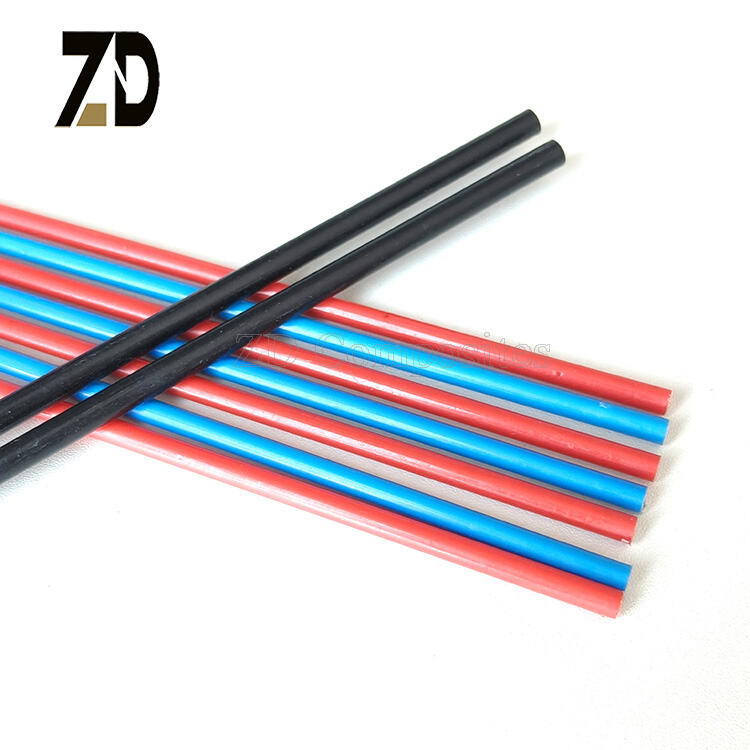
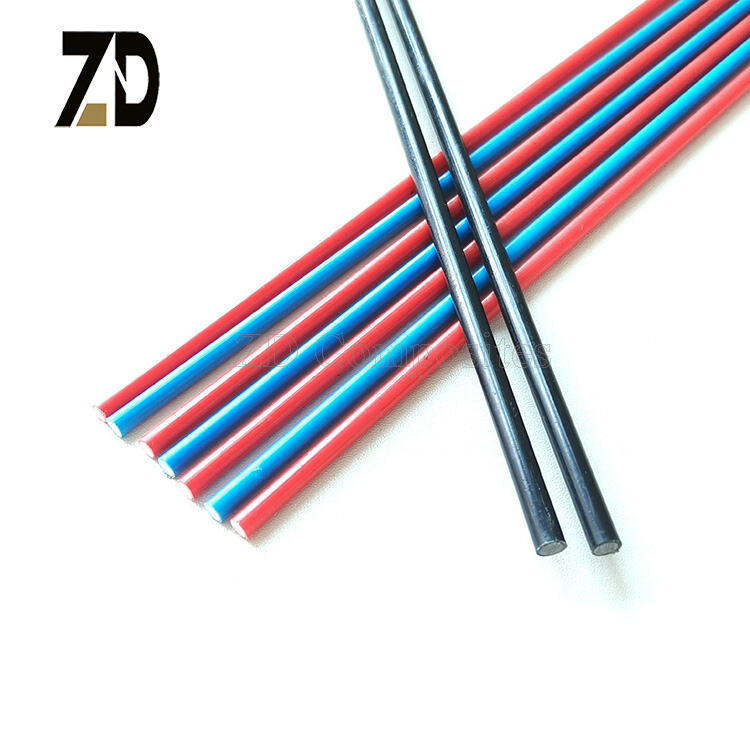
agricultural stakes
Agricultural stakes represent essential support structures designed to enhance crop cultivation and garden management across diverse farming environments. These versatile tools serve multiple critical functions in modern agriculture, from supporting climbing plants to marking field boundaries and securing protective materials. Agricultural stakes typically consist of durable materials such as treated wood, metal, or composite materials, engineered to withstand harsh weather conditions and extended outdoor exposure. The primary function of agricultural stakes involves providing structural support for various plants, particularly those that require vertical growth assistance or protection from wind damage. Tomato plants, bean vines, and other climbing vegetables benefit significantly from proper staking systems that promote healthy growth patterns and maximize yield potential. Beyond plant support, agricultural stakes serve as boundary markers, helping farmers organize their fields efficiently and maintain clear planting rows. Modern agricultural stakes incorporate advanced technological features including weather-resistant coatings, ergonomic designs for easy installation, and modular connection systems that allow for flexible configuration based on specific crop requirements. The applications of agricultural stakes extend across numerous agricultural sectors, including commercial farming operations, residential gardening, greenhouse cultivation, and specialty crop production. Vineyard operations rely heavily on agricultural stakes to support grape vines throughout their growth cycles, while vegetable farmers use these tools to create organized planting systems that facilitate harvesting and maintenance activities. The technological evolution of agricultural stakes has led to innovations such as adjustable height mechanisms, integrated irrigation support features, and eco-friendly materials that align with sustainable farming practices. Professional farmers and home gardeners alike recognize the value of quality agricultural stakes in achieving optimal crop performance and maintaining organized, productive growing spaces that contribute to successful agricultural outcomes.
 ×
×


 EN
EN