×
×
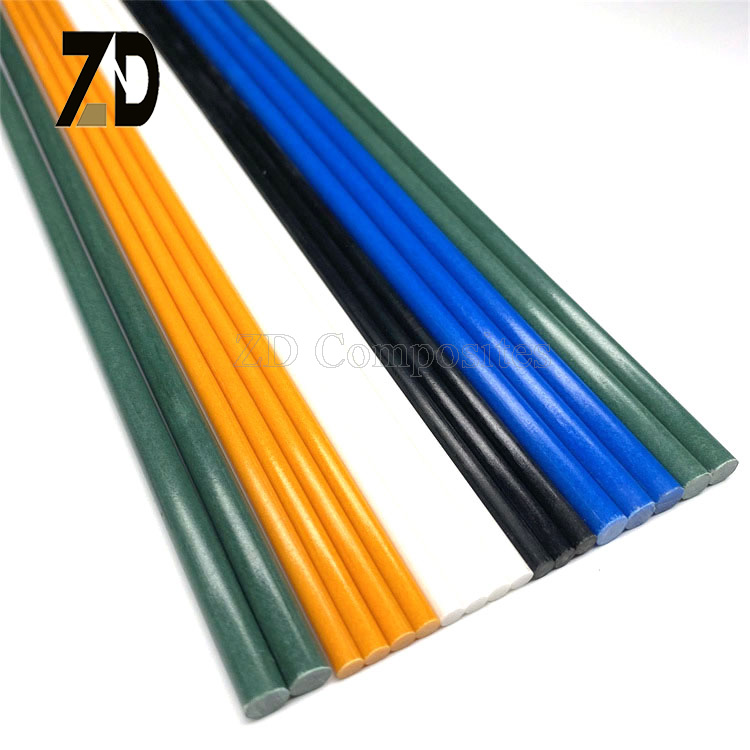
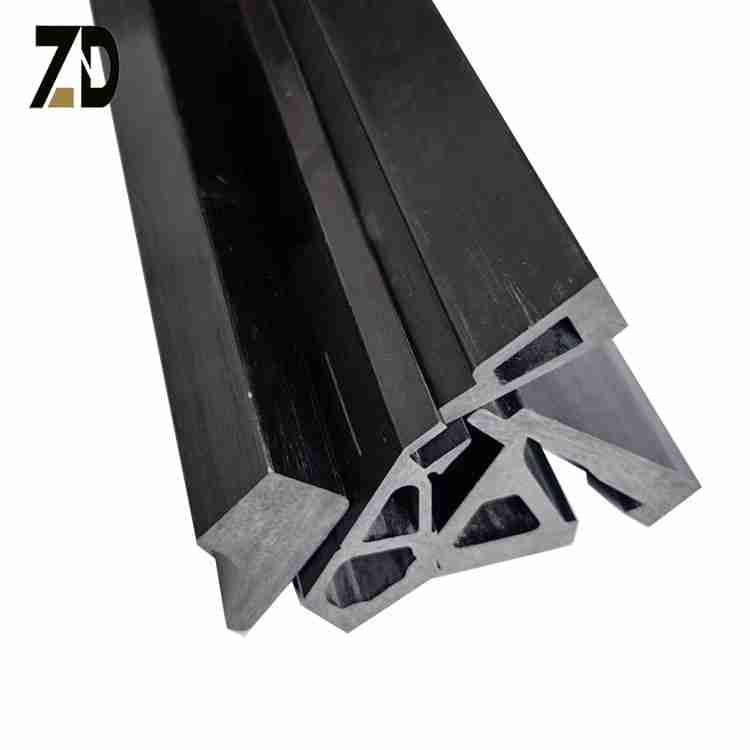
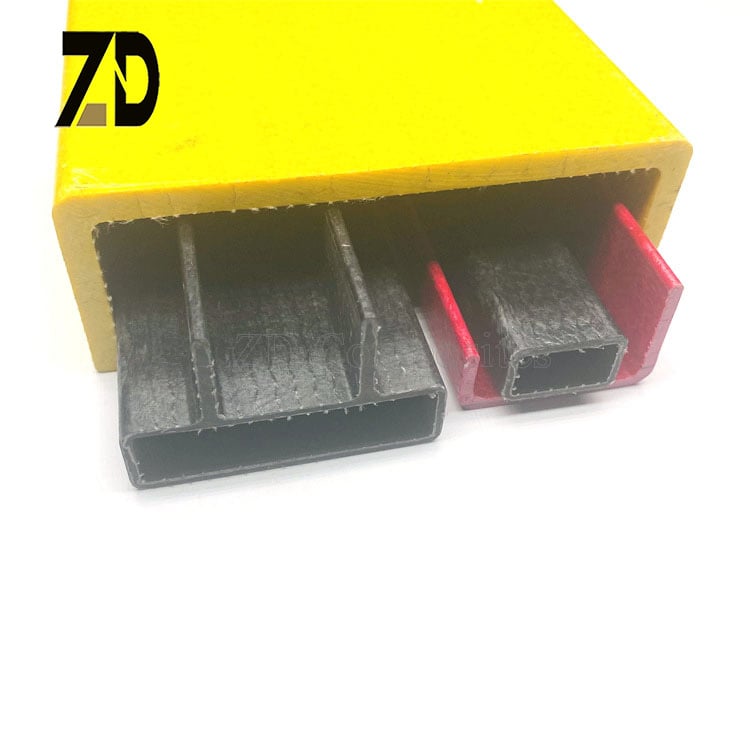
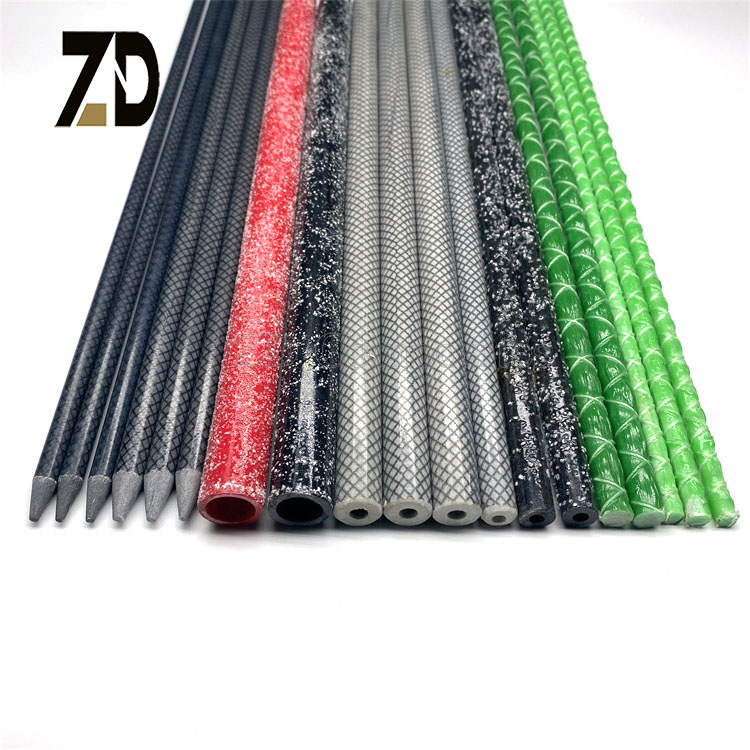
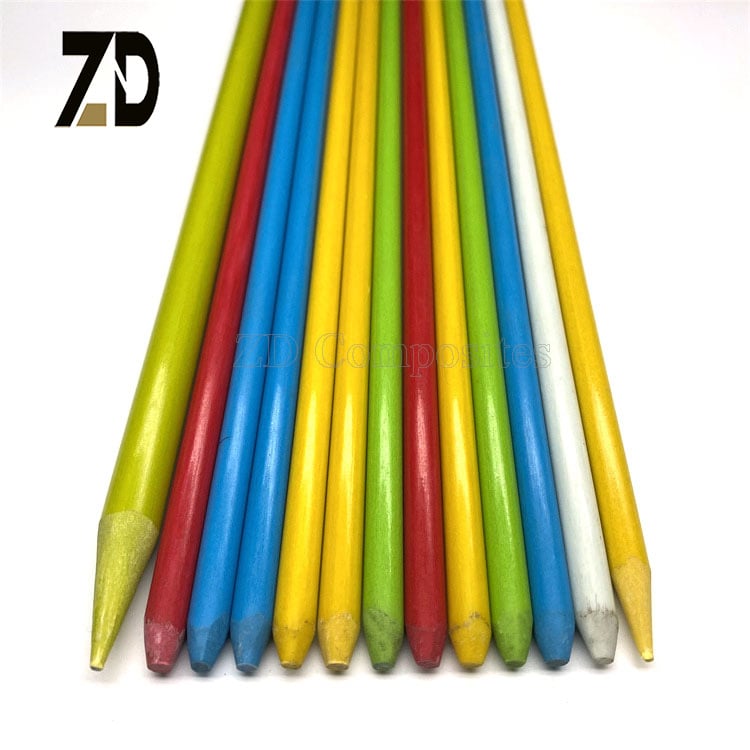
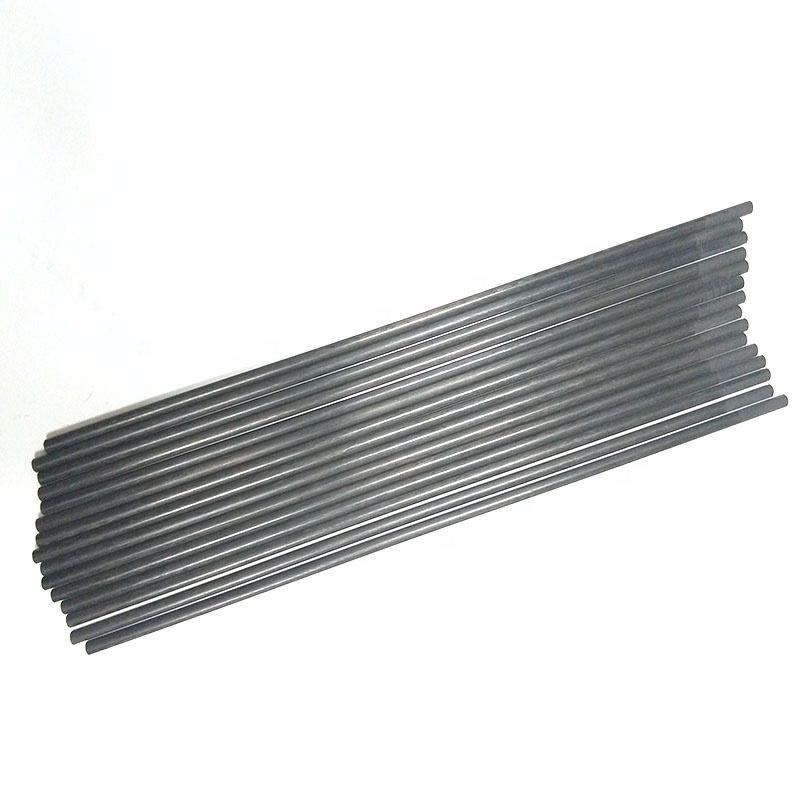
Fiberglass pultrusion, as an important technology for composite material molding, has matured significantly since its inception in the United States in the 1950s. This process involves pulling continuous resin-impregnated fibers through a heated mold, achieving simultaneous resin curing and profile forming, enabling the continuous production of composite material products with consistent cross-sectional shapes and unlimited lengths. Particularly valuable is its excellent molding capability for complex cross-sectional shapes, making pultruded fiberglass profiles uniquely valuable in numerous industrial sectors. Currently, as global manufacturing accelerates its transformation towards lightweight and low-carbon technologies, the application boundaries of these products are continuously expanding.

I. Building Engineering and Energy-Saving Windows and Doors
The construction industry is a traditional application area for pultruded fiberglass profiles, with fiberglass windows and doors being the most representative. Fiberglass windows and doors utilize the pultrusion process to produce hollow profiles, which are then cut and assembled, combining the robustness of steel windows with the thermal insulation and energy-saving performance of PVC windows. From a material properties perspective, fiberglass profiles have a density of approximately 1.9 g/cm³, only 1/5 to 1/4 that of steel, yet their tensile strength is comparable to ordinary carbon steel, and their bending strength is about eight times that of PVC profiles. This means that fiberglass doors and windows do not require internal steel reinforcement to meet strength requirements. Furthermore, their coefficient of thermal expansion is approximately 1/3 that of aluminum alloy and 1/10 that of PVC, making them less prone to deformation or shrinkage gaps in areas with significant temperature variations.
In terms of energy conservation and environmental protection, fiberglass profiles are excellent thermal insulation materials. When used in conjunction with insulated glass, they can significantly reduce building energy consumption. According to relevant estimates, if 40% of non-energy-efficient windows in my country were replaced with energy-efficient windows, the country could save 156 million tons of coal annually. In addition, fiberglass doors and windows have two levels higher water tightness than PVC windows, and their corrosion resistance makes them particularly suitable for humid coastal areas and chemical plants. Their designed service life can reach 30 years, superior to the 20 years of aluminum alloy windows and the 15 years of PVC windows. Although market awareness in my country still needs improvement, their comprehensive advantages as an energy-saving building material have been widely recognized in the industry. In the broader field of building structures, pultruded profiles can be used as roof support structures, building railings, and wall reinforcement grilles. Cutting-edge research in smart buildings is embedding pultruded profiles with integrated conductive fibers into building curtain wall systems, enabling them to monitor structural health. This innovation has already been demonstrated in several landmark venues in China.
II. New Energy and Power Industry The booming development of the new energy industry has opened up vast application opportunities for fiberglass pultruded profiles. In the offshore wind power sector, pultruded sheets are widely used as main or auxiliary beams for wind turbine blades. Through the combination of three-dimensional woven glass fiber reinforcement and nano-modification technology, customized profiles can achieve an axial compressive strength of up to 620 MPa, 40% higher than traditional profiles, while reducing weight by 75% compared to steel. In the corrosive environment of high salt spray and high humidity at sea, the weather resistance exhibited by fiberglass materials makes their total life-cycle maintenance costs significantly lower than metal solutions.
In the power industry, the core advantage of fiberglass pultruded profiles lies in their excellent electrical insulation properties. Pultrusion-produced hollow insulating crossarms boast a volume resistivity exceeding 10^15 Ω·cm and can withstand strong electric fields up to 100kV/m. This enables their widespread application in high-voltage cable trays, transformer spacers, distribution room operating rods, and substation cable supports. Driven by both smart grid construction and aging power grid upgrades, these lightweight, high-strength, and maintenance-free composite material components are gradually replacing traditional steel and wood structures.
Hydrogen energy storage, as an emerging energy sector, also generates significant demand for pultruded profiles. Hydrogen storage tank supports produced using shaped cross-section molds can achieve a pressure resistance of 120MPa while controlling wall thickness tolerance to ±0.1mm, resulting in a 60% weight reduction compared to traditional metal components. This technological breakthrough provides crucial material support for the lightweight design of hydrogen fuel cell vehicles.
III. Petrochemical and Marine Engineering Fields The petrochemical industry is filled with acids, alkalis, salts, and various organic solvents, making corrosion of metallic materials extremely prominent in such environments. Fiberglass pultruded profiles, with their superior chemical corrosion resistance, have become an ideal material for load-bearing structures in chemical facilities. By using vinyl ester or fluorocarbon resin modification systems, the service life of these profiles can be extended to over 15 years in extreme environments with pH values of 1-14.
In practical engineering applications, pultruded profiles are widely used in chemical workshops for operating platforms, walkways, stairs and handrails, cable trays, pipe supports, packing supports in towers, and filter plate supports. Compared to stainless steel, although fiberglass components have slightly lower absolute strength, their advantages in life-cycle economic analysis are often more pronounced due to their characteristics of requiring no coating protection, not experiencing electrochemical corrosion, and having extremely low maintenance costs.
Marine engineering has more stringent requirements for environmental weather resistance than terrestrial chemical engineering. Fiberglass pultruded profiles not only resist seawater corrosion but also possess anti-biofouling and low magnetic permeability properties, making them suitable for seabed identification markers, ship berth facilities, and cooling tower support structures. In deep-sea oil and gas extraction scenarios, pressure-resistant pipes manufactured using double-layer composite mold technology have achieved a corrosion resistance level of C5 or higher, enabling them to operate in environments up to 4000 meters deep. Honeycomb sandwich buoyancy modules can maintain compressive strength at 15 MPa while reducing maintenance costs by approximately 60% compared to steel structure solutions.
IV. Transportation and Vehicle Engineering Lightweighting of automobiles is a key path to achieving energy conservation, emission reduction, and increased driving range, and the penetration rate of fiberglass pultruded profiles in this field is rapidly increasing. In new energy vehicles, battery pack brackets with irregular cross-section designs can reduce the overall vehicle weight by up to 23 kg and increase collision energy absorption by 50%. This is due to the pultrusion process's ability to directionally arrange continuous fibers along the direction of stress during molding, resulting in higher specific stiffness and specific energy absorption values than traditional injection-molded or metal-stamped parts.
Besides battery pack frames, bumper beams, anti-collision beams, floor beams, and other body structural components are also important applications of pultruded profiles. Pultruded profiles reinforced with a hybrid epoxy resin system and carbon fiber/glass fiber can achieve a step-by-step performance improvement while maintaining controllable costs. Industry experts predict that with the continued increase in the penetration rate of new energy vehicles, the amount of pultruded composite materials used in a single vehicle is expected to jump from the current tens of kilograms to hundreds of kilograms.
The rail transit sector is also paying attention to the application potential of this material. Pultruded profiles can be used as seat frames, luggage racks, and equipment compartment supports in train interiors. Their low density, adjustable flame retardant rating, and controllable smoke toxicity allow them to meet the stringent fire safety standards of rail transit vehicles.
V. Environmental Protection and Municipal Engineering In the fields of municipal engineering and environmental protection facilities, the maintenance-free characteristics of fiberglass pultruded profiles are fully utilized. In corrosive environments such as sewage treatment plants, landfills, and seawater desalination workshops, grating walkways, railings, and ladders made of pultruded profiles have become standard equipment. Compared to wood, fiberglass will not rot or be infested by insects; compared to steel, it does not require regular anti-corrosion coatings.
In highway transportation, fiberglass pultruded profiles can be used for highway guardrails, road sign supports, and sound barrier structural frames. These outdoor facilities are exposed to sun, rain, vehicle exhaust, and de-icing salt for extended periods; the long lifespan of composite materials significantly reduces the maintenance burden on road operators. Furthermore, the magnetic permeability of fiberglass prevents electromagnetic interference with traffic signal equipment, a particularly valuable characteristic in sections with densely deployed electronic toll collection systems.
Pultruded profiles also have applications in agricultural facilities and mining scenarios. Their resistance to soil chemical corrosion makes them suitable for irrigation system support structures, underground mine support components, and building frames in corrosive gas environments like those in livestock farms.
VI. Emerging Fields and Future Prospects
With the deepening of collaborative innovation in materials, processes, and design, the application boundaries of fiberglass pultruded profiles are extending into high-end manufacturing. In aerospace, pultruded composite materials, with their high specific strength and designability, are already used in secondary load-bearing structures such as UAV airframe structural members and cabin interior support components. In the field of flexible electronics, pultruded profiles, through composites with conductive functional fillers, are expected to serve as integrated structural-functional carriers, incorporating sensing, thermal conductivity, or electromagnetic shielding functions.
Of particular note is the role of green manufacturing technologies in promoting application and adoption. Low-temperature curing processes have reduced the energy consumption of pultrusion production to 2.3 kWh/m², a 42% decrease compared to 2022; waste crushing and recycling technologies have achieved a 95% fiberglass recycling rate, reducing the production cost per ton of profile by 1200 yuan. These technological advancements are changing the traditional perception that fiberglass materials are "difficult to recycle," clearing obstacles for their further adoption in industries highly sensitive to carbon footprints, such as automotive and construction.
In terms of market size, the global fiberglass pultruded composite materials market is projected to exceed US$21 billion by 2030. As the world's largest producer and consumer of composite materials, China's continued investment in new energy equipment, energy-efficient buildings, and rail transportation will provide strong growth momentum for pultruded profile products. It is foreseeable that with the maturity of intelligent mold design technology, bio-based resin systems and digital twin simulation platforms, FRP pultruded special-shaped products will demonstrate irreplaceable value in a wider range of application scenarios.
 Hot News
2026-10-12
2026-09-25
2026-09-08
2026-09-05
2026-08-10
2026-08-05

 EN
EN