EN
EN


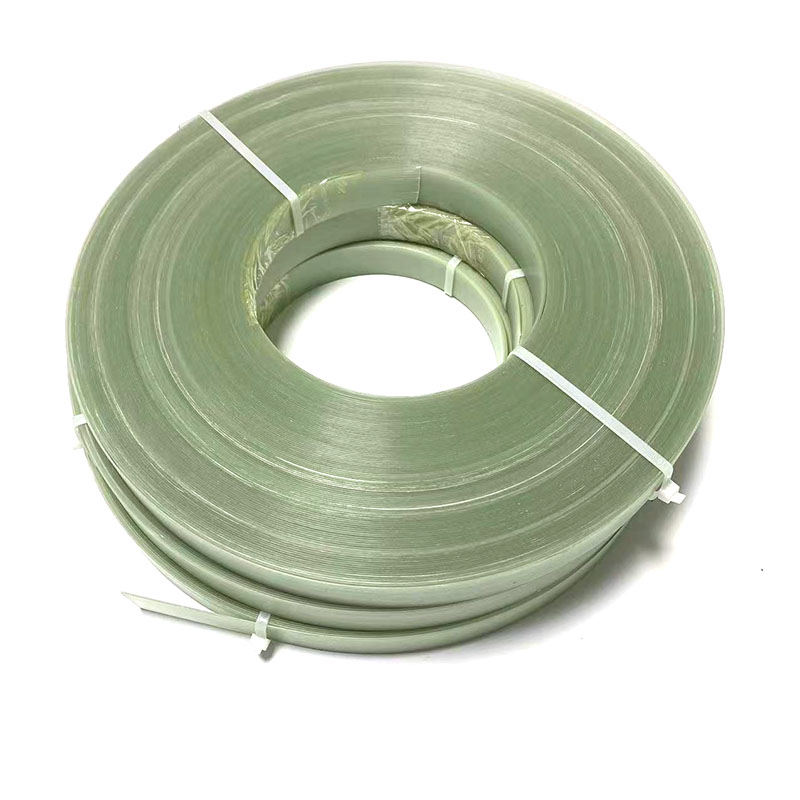
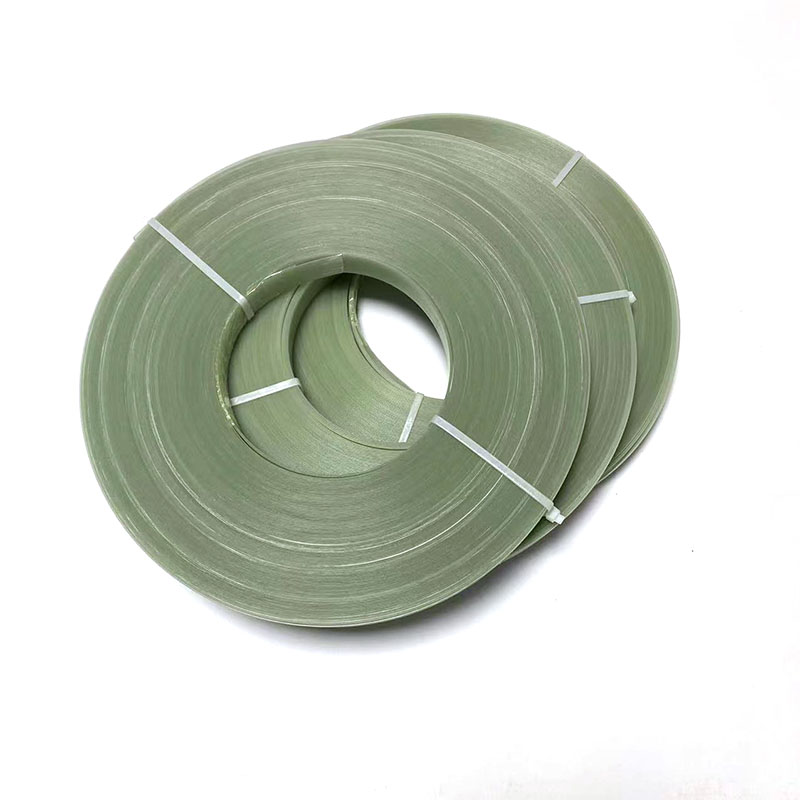
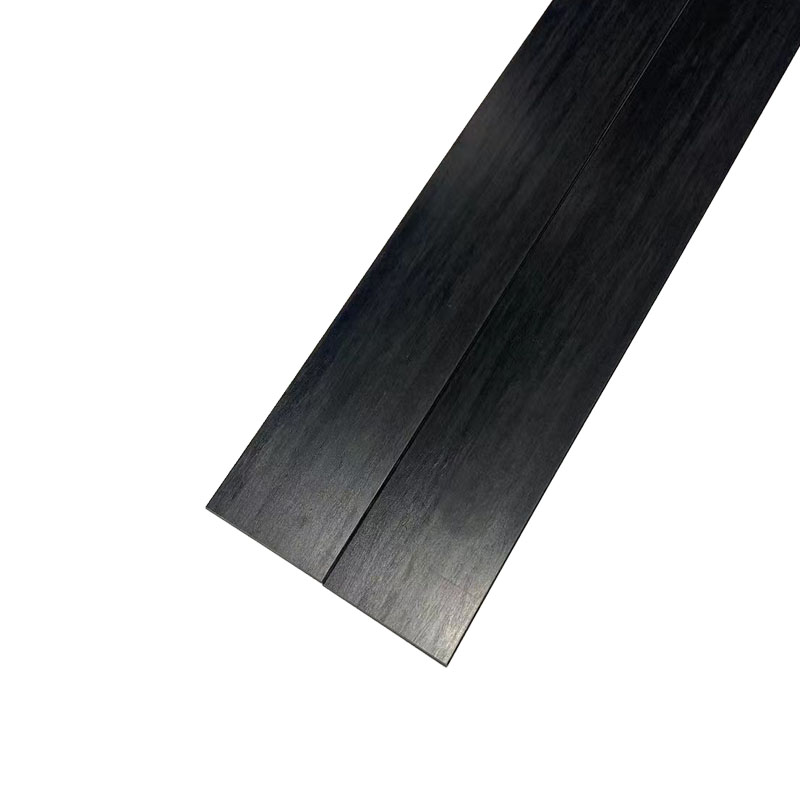
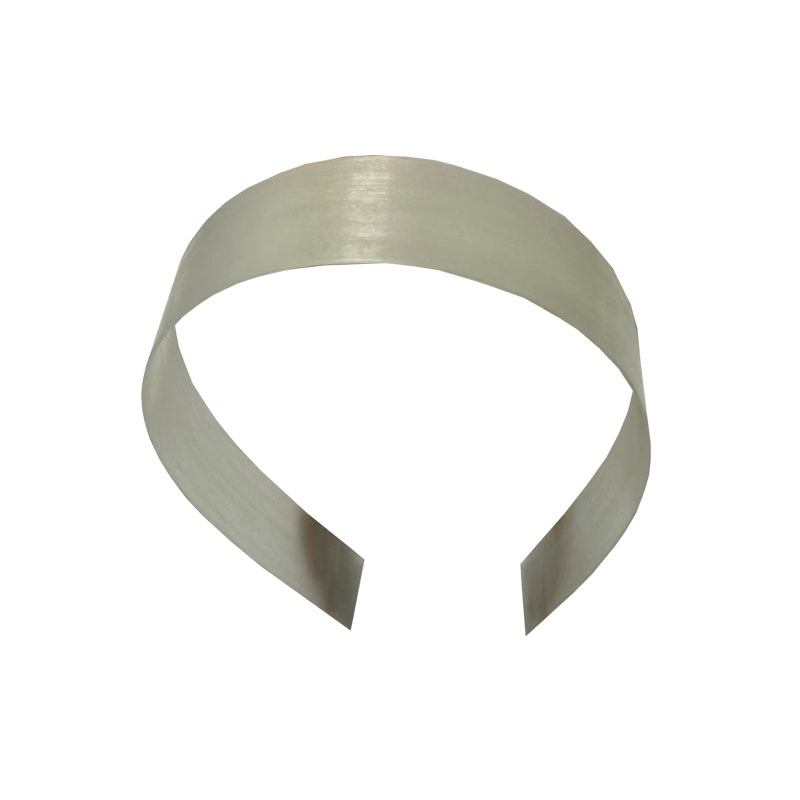
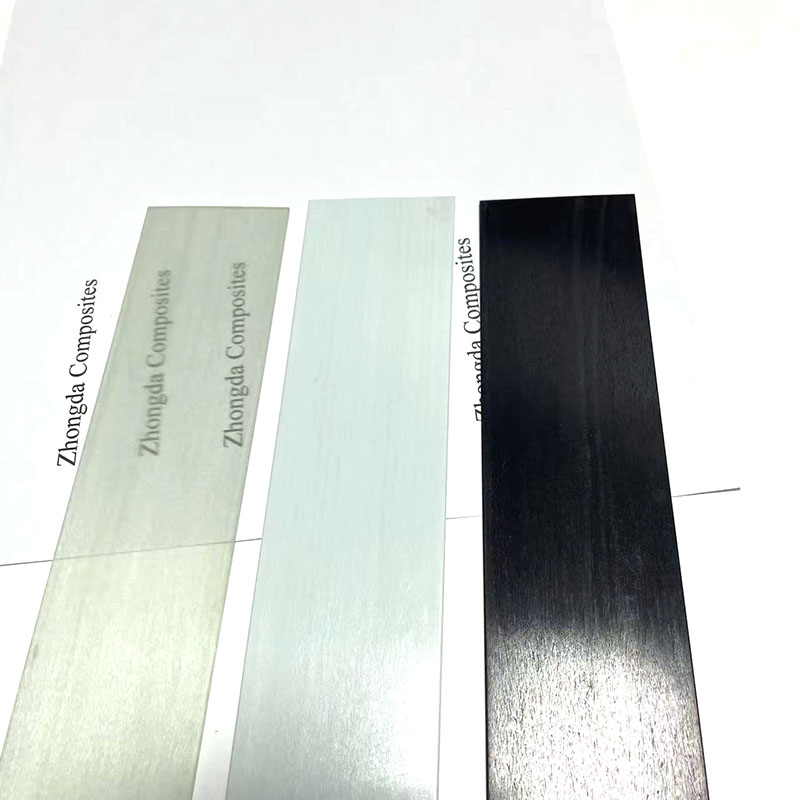
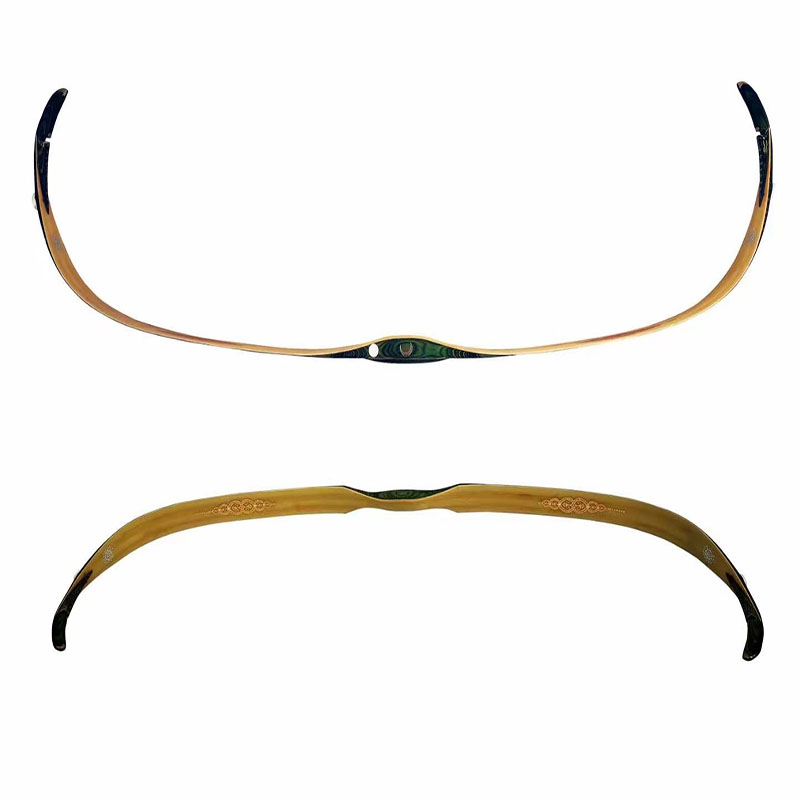
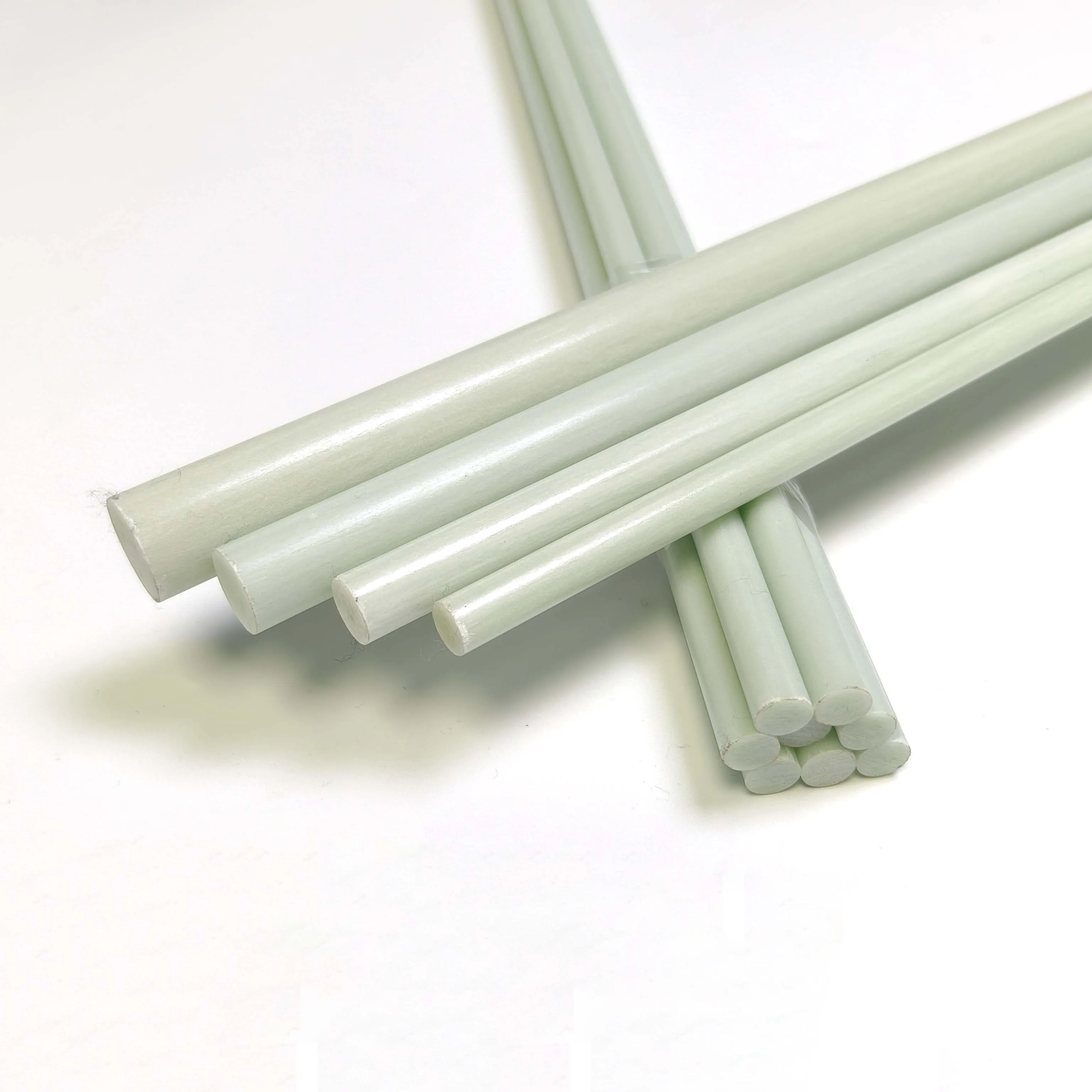
רצועת פיברגלס שטוחה בעלת חוזק גבוה ועמידות ל الشيخנות, מוגדרת לאגרוף
באמצעות תהליכי יציקה מודרניים ועיצוב מבני רציונלי, רגליות פיברגלס, עם עמידותן המצוינת, יציבותן וחלקותן, נשארות עמוד השדרה העיקרי בקידום הפצת והתפתחות הקשתות.
- סקירה כללית
- מוצרים מומלצים
זרועות קשת מזג זכוכית: הכוח המרכזי בייצור קשתות וחצים מודרניות
ב ייצור קשתות וחצים מודרניות (הן קשתות עקומות והן קשתות מרוכבות), זרועות הקשת נחשבו ל"לב" של הקשת, וקובעות את כושר אחסון האנרגיה שלה, את מהירות ההתאוששות שלה ואת משך חייה. בין חומרים רבים המשמשים לזרועות קשת, זרועות קשת מרוכבות מזג זכוכית של Zhongda (הידועות בדרך כלל כ"זרועות זג זכוכית") תופסות חלק משמעותי בשוק בזכות תכונות הפיזיות הייחודיות שלהן ויעילות העלות הגבוהה ביותר שלהן. אם כי סיבי פחמן נחשבים לרוב למוצר יוקרתי, זרועות זג זכוכית, באמצעות שיפורים ייחודיים בתהליך הייצור, מפגינות תחרותיות ייחודית בלתי ניתנת להחלפה בממדים מרובים.
למטה מצוין ניתוח מעמיק בביצועים והיתרונות של זרועות זג זכוכית.
א. ביצועים מרכזיים: עמידות גבוהה, יציבות ואחסון אנרגיה גבוה
1. עמידות מעולה בפני עייפות ועמידות ארוכת טווח
זו אחת היתרונות ההנדסיים הבולטים ביותר של מוטות קשת מזכוכית סיבית. מוטות קשת מעצץ טהור או מלמינה של קנה במבוק נפגעים בקלות משינויי לחות אוויר וטמפרטורה, מה שגורם לבקיעות או להפחתת חוזק המתיחה. זכוכית סיבית (ובמיוחד זכוכית סיבית חסרת אלקלים) מאפיינת חוזק מתיחה גבוה במיוחד.
*נתונים תומכים: בייצור מעשי, לוחות קשת מזכוכית סיבית באיכות גבוהה מיוצרים בדרך כלל ממצע המכיל יותר מ-90% חומר זכוכית סיבית חסרת אלקלים חד-כיוונית וריזין אפוקסי. מבנה הסיב החד-כיווני מבטיח שהכוח עובר לאורך כיוון הסיב, ובכך מפחית במידה רבה את אובדן האנרגיה במהלך העברת הכוח.
*תפקוד לאורך זמן: המבנה המולקולרי הפנימי של סיבי הגלס הוא יציב, ותנגדות העייפות שלו גבוהה בהרבה מזו של חומרים טבעיים. ניסויים מראים שאחרי עשרות אלפי מחזורי כיפוף ומתיחה חוזרים, מודולוס האלסטיות של לוחות הקשת מסיבי הגלס כמעט ולא יורד, מה שפותר את הבעיה של קשתות מסורתיות ש"מתרחפות עם הזמן."
2. גמישות גבוהה במיוחד עקביות במעוות
לוחות הקשת חייבים לסבול עיוות כיפוף עצום ברגע השחרור ולשחזר למצבם המקורי תוך מילישניות.
גמישות בלתי נשברת: בהשוואה לסיבי פחמן, אף על פי שסיבי פחמן מדרגה עליונה משחזרים מהר יותר, חומר סיבי הגלס בדרך כלל מציג התארכות גדולה יותר בנקודת השבר, כלומר הוא עמיד יותר. תחת מתח קיצוני, לוחות הקשת מסיבי הגלס מפגינים גמישות מעולה ופחות נוטים לשבירה פריקה, מה שנותן שולי בטיחות גבוהים יותר לציד בבר, או לאימונים של מתחילים.
עקביות: תהליכי יציקה מודרניים (כגון "טכנולוגיית היציקה של סיב בודד בשתי שכבות") מבטיחים עקביות גבוהה מאוד בהתעקלות ובהתפלגות המתח בכל זרוע קשת. עקביות זו מבטיחה את הקווית מסלול החבל, ושיפרה באופן משמעותי את דיוק הירי.
3. בלימת רעידות מעולה
בקליעה, רעידות הן אויב עיקרי לדיוק. חומרים מזجاج-סיב הם בעלי מקדם דämpינג פנימי גבוה, כלומר הם בולעים ומפזרים ביעילות את הרעידות העודפות שנוצרות על ידי זרוע הקשת עצמה במהלך ההתאוששות.
ביחס להתאוששות ה"חדה" או אפילו מעט מרגיזה של פיברגלס, זרועות קשת מזglass-סיב באיכות גבוהה מציעות התאוששות יותר "יציבה". הן מסננות ביעילות את רעידות זרוע הקשת, מה שמאפשר העברת כוח חלקה יותר לחץ, ובכך משפרת במידה רבה את תחושת הקלע ואת שולי השגיאה שלו.
II. היתרונות המרכזיים: יעילות עלות-תועלת, עיצוב ידידותי לתהליך והשגת איזון ביצועים
1. יעילות עלות-תועלת גבוהה ביותר
זו היתרון השווקי המובהק ביותר של זרועות הקשת המעשיות מזגוגית.
בעוד שזוהי ביצועים כמעט כפליים עד שלושה פעמים מאלו של זרועות קשת עץ מסורתיות, זרועות הקשת המעשיות מזגוגית זולות בהרבה מאשר זרועות קשת מפחמן טהור. לדוגמה, קשתות תחרותיות או זרועות קשת מחזוריות מזגוגית ברמה נמוכה הן בדרך כלל זולות יחסית, אך מציעות עמידות גבוהה בהרבה מאשר קשתות עץ.
טכנולוגיית פטנט מראה כי זרועות קשת המיוצרות מצינורות זגוגית או מזגוגית יצוקה ניתנות לייצור אינטגרלי עם חיבורים באמצעות תהליכי יציקה בזרימה או יציקה בלחץ, מה שמונע את הצורך בעבודת מילוי וסידור מכנית מורכבת, ומפחית באופן משמעותי את עלויות העבודה ואת שיעורי הפסולת. זה מאפשר למתחילים לחוות ירי ברמה מקצועית במחיר נמוך יותר.
2. יציבות מבנית, לא מושפעת מגורמים סביבתיים
עץ סופג מים ומתרחב, וקרע במקומות יבשים, בעוד שקומפוזיטי הזגוגית אינם מושפעים כלל מבעיות אלו.
בין אם ביערות הגשם הלחים של הדרום או בחורפים היבשים והקרים של הצפון, המידות הפיזיות ומשקל המשיכה של גפי קשת פיברגלס נשארים יציבים ביותר. קשתים אינם צריכים למרוח שמני הגנה לעתים קרובות או לדאוג משינויים סביבתיים שיגרמו לגפיים "להתנתק" או "להיסדק" כפי שהיה קורה עם קשתות עץ.
3. סובלנות גבוהה לטעויות ובטיחות
בעיצוב קשתות וחצים, פיברגלס משמש לעיתים קרובות כחומר "בסיסי", ואף מעורבב עם סיבי פחמן (למשל, זרועות קשת היברידיות של פיברגלס ופחמן).
לאימוני כוח או למתחילים, זרועות פיברגלס מציעות עקומה יחסית רגועה של כוח ותחושה חלקה של גרירה, ומביאות למניעת תחושת "הקיר הקשיח" (העלאה פתאומית וחריפה במתח) שחומרים קשיחים מדי עלולים ליצור כאשר הם מתוחים למקסימום.
למרות זאת, תהליכי ייצור מודרניים, שמבוססים על אופטימיזציה של מבנה התמיכה בצורת U בנקודת החיבור של ידית הקשת, בשילוב עם זרועות מזגסוגים, מביאים להתפלגות כוח מאוזנת יותר בכל הקשת. זה לא רק מאריך את תקופת חייה של הזרועות, אלא גם מפחית את הסיכון לפציעות הנגרמות מתפזרת כוח לא מאוזנת שגורמת לאי-יישור או אפילו לשבירה של הזרועות.
4. קלות וניידות
למרות שסיבי הפחמן קלים יותר, חומרים מזגסוגים, באמצעות תהליכי יציקה (כגון ידיות קשת מחלקה של מגנזיום בשילוב עם זרועות מזגסוגים), עדיין מספקים ביצועים מצוינים במשקל קל. לדוגמה, כמה קשתות לציד שמכילות זרועות מזגסוגים יכולות לשמור על משקל כולל של כ-1.6–1.9 ק"ג (3.5–4.2 פאונד). הקשת הקלילה הזו, בשילוב עם השבה יציבה, מאפשרת לקשתים לשמור על עמידות רבה יותר בעת מעקב אחר הטרף בטבע.
III. סיכום
לסיכום, זרועות מזגסוגים אינן סינונימיות למושג "זול", אלא הן חומר פונקציונלי מפותח היטב ומעוצב טכנולוגית.
הלוגיקה המרכזית שלה היא מציאת האיזון המושלם בין ביצועים, עמידות ועלות. עבור הקבוצות הבאות, ידיות פיברגלס הן הבחירה הטובה ביותר ללא מחלוקת:
קשתנים מתחילים ובינוניים: אלו שצריכים תרגול נרחב, עמידות גבוהה ותקציב מוגבל.
חובבי ציד בחוץ: אלו שצריכים ציוד שיעמוד במגוון תנאי מזג אוויר קשים וקל לתחזוקה.
מוסדות הדרכה: אלו שצריכים ידיות עם אורך חיים גבוה במיוחד בפני עייפות ואחדות באיכות.
באמצעות תהליכי יציקה מודרניים ועיצוב מבני רציונלי, רגליות פיברגלס, עם עמידותן המצוינת, יציבותן וחלקותן, נשארות עמוד השדרה העיקרי בקידום הפצת והתפתחות הקשתות.