
 EN
EN


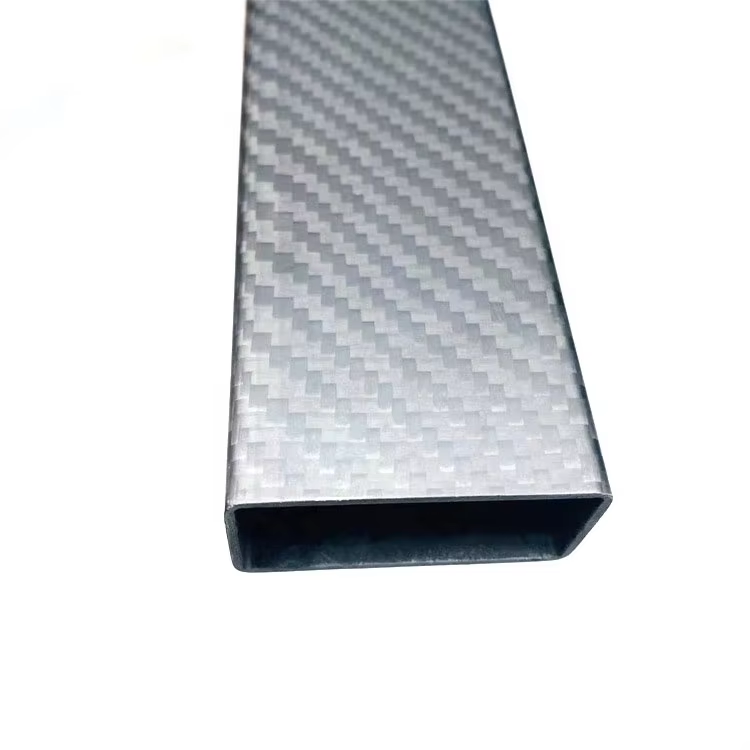
עיצוב אדריכלי מודרני דורש חומרים שמשלבים עמידות יוצאת דופן עם ערך אסתטי, וצינורות מרובעים מפיבר פחמן התפתחו לרכיבים מהפכניים בפרויקטים בנייה עתידיים. חומרים קומפוזיטיים מתקדמים אלו מציעים לאדריכלים ולמהנדסים הזדמנויות חסרות תקדים ליצירת מבנים שהיו בלתי אפשריים בעבר בחומרי בנייה מסורתיים. התכונות הייחודיות של הקומפוזיטים המבוססים על פיבר פחמן מאפשרות למפעלים לדחוף את גבולות החדשנות האדריכלית תוך שמירה על שלמות מבנית ועל סגנון חזותי מתקדם.
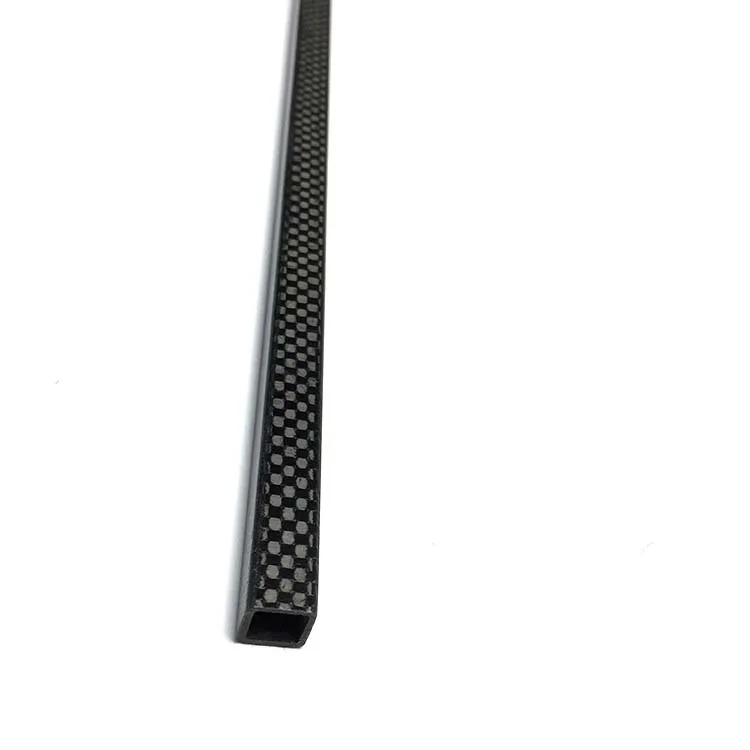
השילוב של אלמנטים בצורת צינור ריבועי מסיבי פחמן ביישומים אדריכליים מייצג מפנה משמעותי לכיוון חומרי בנייה בעלי ביצועים גבוהים שמספקים תכונות מכניות עליונות בהשוואה לאפשרויות המסורתיות. מבנים צינוריים אלו מספקים לאדריכלים אלמנטי עיצוב רב-תכליתיים שיכולים לשמש הן למטרות מבניות והן למטרות דקורטיביות, ומייצרים מבנים שאינם רק פונקציונליים אלא גם מרשימים חזותית. האימוץ של טכנולוגיית סיבי פחמן באדריכלות משקף את התחייבות התעשייה להמצאה ולקיימות בעקרונות הבנייה המודרניים.
ביצוע מבני עליון באדריכלות המודרנית
יתרונות יוצאי דופן של היחס בין חוזק למשקל
צינור ריבועי מפיבר פחמן מציג יתרונות מבניים יוצאי דופן שמהם נגזרת התאמתו האידיאלית ליישומים אדריכליים הדורשים גם עמידות וגם השפעה מינימלית על המשקל. בערכים של חוזק למשיכה העולים על 3,500 MPa, צינורות המורכבים הללו מסוגלים לתמוך במשימות משמעותיות תוך כדי משקל הנמוך ב־80% בקירוב לעומת מבנים שקולים מפלדה. היחס الاستثنאי בין עמידות למשקל מאפשר לאדריכלים לעצב פרוסות גדולות יותר ורכיבים מבניים אמбиציוזיים יותר, מבלי לפגוע בבטיחות או לדרוש מערכות תמיכה מוגזמות.
המאפיין הקל של רכיבי צינור מרובע מפיבר פחמן מקטין באופן משמעותי את המטען הכולל על הבנייה, מה שמתורגם בדרישות יסוד נמוכות יותר ובחסכון בעלויות הבנייה. הפחתת המשקל מסייעת גם לפשט את תהליכי ההובלה וההתקנה, מה שהופך פרויקטים ארכיטקטיים מורכבים ליותר אפשריים ולכלול ערך תחרותי. היכולת של החומר לשמור על שלמות מבנית תחת מגוון תנאים של מטען הופכת אותו לבעל ערך מיוחד ביצירת מאפיינים ארכיטקטיים דרמטיים כגון חלקים קוצבים, גשרים בעלי מתחם ארוך ומבנים של גגות גבוהים.
עמידות וארוכת חיים משופרת
מבנים של צינורות מרובעים מסיבי פחמן מציגים עמידות יוצאת דופן לגורמים סביבתיים שמדלדלים בדרך כלל חומרי בנייה מסורתיים לאורך זמן. בניגוד לפלדה או לאלומיניום, קומפוזיטי סיבי פחמן אינם נאכלים, לא מחלידים ולא סובלים מתגובות גלווניות בעת חשיפה לרטיבות, לאויר מלוח או לזיהומים כימיים. עמידות זו בפני ניקור היא אופיינית לחומר ומבטיחה שהאלמנטים האדריכליים שומרים על שלמותם המבנית וההישרוי הוויזואלי שלהם במשך עשורים ללא צורך בתחזוקה מקיפה או בהחלפה.
תочלת ההתנגדות לאי-יציבות של חומרי סיבי פחמן עולה על זו של חלופות מתכתיות, מה שהופך רכיבי צינור מרובע מסיבי פחמן לאידיאליים לבנייה הנמצאת תחת עומסים דינמיים או רטט. מאפיין זה חשוב במיוחד ביישומים אדריכליים כגון גשרי הולכי רגל, מגרשי תצפית וחזיתות בניינים שעוברים עומס רוח קבוע. היכולת של החומר לסבול מיליוני מחזורי עומס ללא ירידה באיכות מבטיחה אמינות מבנית לטווח הארוך ומחסכת בהוצאות לתיקונים לאורך מחזור החיים.
גמישות עיצובית והטבות אסתטיות
אפשרויות גאומטריות רב-גוניות
תהליך היצור של צינור ריבועי מסיבי פחמן מאפשר בקרת ממדים מדויקת וייצור של צורות גאומטריות מורכבות שקשה או בלתי אפשרי להשיגן בחומרים מסורתיים. אדריכלים יכולים לציין עובי דפנות מדויק, מימדי חתך ריבועי ואפילו פרופילים משתנים לאורך הצינור כדי לעמוד בדרישות העיצוב הספציפיות. הגמישות בייצור זה מאפשרת יצירת אלמנטים אדריכליים ייחודיים שתרומתם ליצירת זהות בניין מובחנת ולפתרונות מבניים חדשניים.
ה צינור ריבועי מסיב פחמן ניתן לייצר אותו בגודלים ותצורות מגוונים, מרכיבים דקורטיביים קטנים ועד רכיבים מבניים גדולים שמתירים מספר מטרים. היכולת להתאים את כיווני הסיבים ואת סדרי ההטיה מאפשרת למפתחים לאופטימיזציה של התכונות המכאניות עבור תנאי עומס ספציפיים, מה שמבטיח שכל רכיב אדריכלי יפעל בדיוק כפי שנדרש. רמת ההתאמה הזו מעניקה לאדריכלים את היכולת לממש את רעיונות העיצוב האמбиציוזיים ביותר שלהם תוך שמירה על יעילות מבנית.
גימור פנים עילוי ומידה
רכיבי צינור ריבועי מסיב פחמן מציעים מאפיינים אסתטיים יוצאי דופן שמשפרים את המראה החזותי של עיצובים אדריכליים מודרניים. תבנית האגירת סיב הפחמן האופיינית יוצרת מראה טכנולוגי-מתקדם ייחודי שמתאים לסטילים אדריכליים עתידיים ומוסיפה נקישה לפאצ'דים של בניינים ולאלמנטים פנימיים. ניתן לסיים את החומר בטיפולים משטחיים מגוונים, החל מקוביות מבריקות שקיפות שמדגישות את תבנית הסיב, ועד לקוביות צבעוניות שמתמזגות באופן חלק schemes הצבעים של הבניין.
היציבות הממדית של קומפוזיטי סיבי פחמן מבטיחה שאלמנטים אדריכליים שומרים על הגאומטריה המדויקת שלהם ועל הסיום החלק של המשטח לאורך זמן, גם בתנאי טמפרטורה ורطיבות משתנים. יציבות זו מונעת עיוות, 처ידה או אי-סדירויות משטחיות שעשויות להופיע בחומרים אחרים, ומשמרת את הקווים החדים והنظיפים הדרושים לאסתטיקה האדריכלית המודרנית. התנגדות החומר לפגיעת קרינה فوق סגולה מבטיחה גם שהמראה המשטחי ישמר עקבי לאורך תקופת השירות של הבניין.
יתרונות סביבתיים וכלכליים
יתרונות בנייה ברת-קיימא
השימוש בצינור ריבועי מסיבי פחמן ביישומים אדריכליים תורם לתרגולים בני קיימא בבנייה באמצעות יתרונות סביבתיים מרובים. המבנה הקל של חומרים אלו מפחית את צריכת הדלק להובלה אל אתרי הבנייה, ומביא לירידה באפקט הפחמן הכולל של פרויקטי בנייה. בנוסף, העמידות החריגה של רכיבי סיבי הפחמן מאריכה את תקופת השירות של הבניינים, ופוחתת את הצורך בהחלפת חומרים ובשיפוצים לאורך זמן.
מבנים של צינורות מרובעים מסיבי פחמן דורשים תחזוקה מינימלית בהשוואה לחומרים מסורתיים, מה שמבטל את הצורך בצבעים, כיסויים או טיפולים הגנים שכוללים חומרים כימיים מזיקה לסביבה. מאפיין זה של חוסר תחזוקה מקטין את ההשפעה הסביבתית האורכית, וכן מפחית את עלויות הפעלה לבעלי הבניינים. שיפור יעילות האנרגיה הנובע מהפחתת משקל הבניין ושיפור התכונות התרמיות תורם גם הוא למטרות העמקיות של עמידות סביבתית.
ערך כלכלי ארוך טווח
אם כי עלות התחלה של צינור ריבועי מסיבי פחמן עשויה להיות גבוהה יותר מאשר חומרים טרاديционליים, התועלות הכלכליות ארוכות הטווח מוצדקות לרוב את ההשקעה באמצעות הפחתת עלויות תחזוקה, הארכת תקופת השירות והשפרת ביצועי הבניין. התנגדות החומר לקורוזיה, לאי-סבילות (fatigue) ולפירוק סביבתי מבטלת מחזורים יקרים של תיקונים והחלפות שפוגעים בחומרי בניין קונבנציונליים. עמידות זו מתורגמת לחסכונות משמעותיים בעלויות לאורך תקופת הפעולה של הבניין.
יעילות ההתקנה של רכיבי צינורות מרובעים מסיבי פחמן מספקת גם יתרונות כלכליים באמצעות קיצור זמן הבנייה ופחת עלויות העבודה. המאסה הקלה של חומרים אלו מאפשרת טיפול והתקנה קלים יותר, ולעיתים קרובות דורשת צוותים קטנים יותר וציוד כבד פחות בהשוואה לחלופות מפלדה או בטון. ייצור המדויק של רכיבי סיבי פחמן מפחית גם את הפעולות השטחיות של התאמות ושינויים, מה שמייעל את תהליך הבנייה וממזער עיכובים בפרויקט.
מאפייני ביצועים טכניים
תכונות תרמיות וחשמליות
צינור מרובע מסיבי פחמן מציג תכונות תרמיות ייחודיות שמועילות ליישומים אדריכליים במגוון אקלימים ותנאי סביבה. מקדם ההתפשטות התרמית הנמוך של החומר מבטיח יציבות ממדית בטווח רחב של טמפרטורות, ומונע את המתח התרמי והמחברים התרמיים הנדרשים עם מבנים מתכתיים. היציבות התרמית הזו היא בעלת ערך מיוחד לאלמנטים אדריכליים מדויקים כגון מערכות קיר מסך, שבהן הדיוק הממדי קריטי למניעת חדירת מים ולשימור עקביות אסתטית.
המוליכות החשמלית של סיבי הפחמן יכולה להיות גם יתרון וגם נושא להתחשבות בעיצוב אדריכלי, בהתאם לסוג הספציפי יישום דרישות. עבור מבנים הדורשים חיבור ארקה חשמלי או שילוט אלקטרומגנטי, התכונות הכביליות של צינור ריבועי מסיבי פחמן עשויות להיות מועילות. עם זאת, יש ליישם שיקולים מתאימים לעיצוב כאשר נדרשת ניוון חשמלי, למשל בקרבת ציוד חשמלי או באזורים המושפעים מברקים.
תפקוד באש ובטיחות
צינור ריבועי מודרני מסיבי פחמן מוצרים כוללים מערכות רזין מתקדמות שמספקות עמידות משופרת באש בהשוואה לנוסחות הקומפוזיטיות המוקדמות. חומרים אלו ניתנים להנדסה כדי לעמוד בקודים ספציפיים לבטיחות באש ובחוקי בנייה באמצעות שימוש ברזינים מטריציים מדליקים ובעיבוד מתאים של הסיבים. היכולת להתאים את תכונות הביצוע באש הופכת את הקומפוזיטים מסיבי פחמן למתאימים לטווח רחב של יישומים אדריכליים, כולל אלה שדורשים דרישות קשיחות במיוחד בטיחות באש.
היציבות המבנית של צינור ריבועי מסיבי פחמן בתנאי שריפה יכולה להשתפר באמצעות תכנון מתוכנן ואמצעי הגנה מתאימים. אם כי המטריצה האורגנית עלולה להיפגע מחום קיצוני, שכבת הסיבים הפחמיים התחתונה שומרת על חלק ניכר מהחוזק שלה, ובכך מספקת זמן יקר לפעילות פינוי ולפעולות 억וש אש. תקנות הבנייה מכירות במידה הולכת וגוברת בתכונות הביצוע של חומרים מרוכבים מתקדמים, ומספקות מסלולים ברורים לשימוש בהם ביישומים אדריכליים מגוונים.
שיקולים בהתקנה ובאינטגרציה
שיטות החיבור וההרכבה
השילוב של צינור ריבועי מסיבי פחמן במבנים אדריכליים דורש שיטות חיבור מיוחדות שמשמרות את היתרונות הביצועיים של החומר, תוך הבטחת הרציפות המבנית האמינה. מערכות חיבור מכניות המשתמשות בבורגים בעלי חוזק גבוה וציוד חיבור מעוצב במיוחד מספקות חיבורים עמידים שיכולים להעביר עומסים באופן יעיל בין סיבי הפחמן לבין רכיבי מבנה קונבנציונליים. חיבורים אלו חייבים להיות מעוצבים בזהירות כדי להימנע מריכוזי מתח שעלולים לפגוע בשלמות החומר המורכב.
הדבקה מהווה שיטה נוספת יעילה לחיבור רכיבי צינור מרובע מסיבי פחמן, ונותנת את היתרונות של העברת עומס מפוזרת ומעבר חלק בין המשטחים. אדhesיבים מבניים שפותחו במיוחד ליישומים קומפוזיטיים מספקים חוזק הדבקה ועמידות יוצאי דופן כאשר הם מופעלים כראוי בתנאים מבוקרים. שיטות חיבור היברידיות שמשלבות סוככי מנגנונים עם הדבקה מספקות את האמינות הגבוהה ביותר, ונהוג ליהנות מהן ביישומים מבניים קריטיים.
בקרת איכות ובדיקה
הישום המוצלח של צינור ריבועי מסיבי פחמן בפרויקטים אדריכליים דורש הליכי ביקורת איכות מקיפים בכל שלבי היצרנות, האספקה וההתקנה. שיטות בדיקה לא מפריעות כגון בדיקת אולטרסאונד ותרמוגרפיה יכולות לגלות פגמים בייצור או נזקים בהתקנה ללא פגיעה בשלמות המבנית של הרכיבים. טכניקות הבדיקה הללו מבטאות כי הפוטנציאל המלא בביצועי חומרי סיבי הפחמן ימומש במבנה המוגמר.
פרוטוקולי בדיקה רגילים במהלך תקופת השירות של הבניין עוזרים לשמור על היתרונות בביצועים של רכיבי צינור מרובע מסיבי פחמן לאורך זמן. בדיקות ויזואליות יכולות לזהות נזקים על פני השטח או השפעות סביבתיות, בעוד שშיפוטים מפורטים יותר באמצעות שיטות בדיקה מתקדמות יכולים להעריך את המצב המבני לתכנון תחזוקה לטווח הארוך. הקמת פרוצדורות בדיקה מתאימות מבטיחה שהיתרונות של חומרי סיבי פחמן מבחינת עמידות ובטיחות יישארו שלמים לאורך כל תקופת הפעולה של הבניין.
שאלה נפוצה
מה היתרונות המבניים העיקריים של הצינור המרובע מסיבי פחמן בהשוואה לחומרים מסורתיים?
צינור ריבועי מפקק פחמן מציע יחס עוצמה-למשקל ייחודי, עד פי 10 טוב יותר מאשר פלדה, עמידות מעולה לקלקול ותפוקת עייפות יוצאת דופן. תכונות אלו מאפשרות לאדריכלים ליצור פרוסות ארוכות יותר, להפחית את המשקל המבני ולשדרף את הדרישות לתיקונים הקשורים בקלקול מתכתי. היציבות הממדית של החומר והתנגדותו לפגיעות סביבתית מבטיחות ביצועים עקביים לאורך עשורים של שירות.
איך עלות הצינור הריבועי מפקק פחמן משווה לעלות חומרי בנייה קונבנציונליים?
אם כי עלות החומר הראשונית של צינור ריבועי מסיבי פחמן היא בדרך כלל גבוהה יותר מאשר של פלדה או אלומיניום, עלות מחזור החיים הכוללת נמוכה לעיתים קרובות יותר בשל ירידה בדרישות לתיקונים, אורך חיים ארוך יותר ויעילות בהתקנה. המבנה הקל מפחית את הדרישות ליסודות והוצאות תחבורה, בעוד התנגדות הקורוזיה מאפסת את ההוצאות המתמשכות על שיכבות הגנה. ברוב פרויקטים אדריכליים מושגת נייטרליות עלות תוך 10–15 שנה מההתקנה.
אילו מגבלות תכנון על האדריכלים לקחת בחשבון בעת קביעת צינור ריבועי מסיבי פחמן
היבטים מרכזיים בתכנון כוללים את פרטיוּת החיבורים כדי להימנע מצפיפות מתחים, דרישות הגנת אש בחלק מהיישומים והשלכות על מוליכות חשמלית. החומר דורש ידע מיוחד בעריכת הפקה והתקנה, מה שעלול לגביל את זמינות הקבלנים באזורים מסוימים. תקנות התכנון לחומרים מרוכבים ממשיכות להתפתח, ודורשות שיתוף פעולה עם מהנדסים בעלי ניסיון בתחום היישומים המתקדמים של חומרים מרוכבים.
איך מתנהג צינור ריבועי מסיבי פחמן בתנאי מזג אוויר קיצוניים
צינור ריבועי מפחמן סיבי מציג ביצועים מעולים בתחומי טמפרטורות רחבים עם התפשטות תרמית מינימלית, מה שהופך אותו אידיאלי למטאמים קיצוניים. החומר עמיד בפני פגיעה מאולטרה סגול, ספיחת לחות ומחזורי הקפאה-הפשרה שמזיקים לחומרים מסורתיים. בדיקות נגד הוריקנים ורעידות אדמה מראות ביצועים עליונים בהשוואה לחומרים קונבנציונליים, עם היכולת להתעקל ולשוב לצורתה המקורית ללא עיוות קבוע בתנאי עומס קיצוניים.