EN



Custom Octagonal Forged Carbon Fiber Barrel Guard for Sporting and Training Equipment
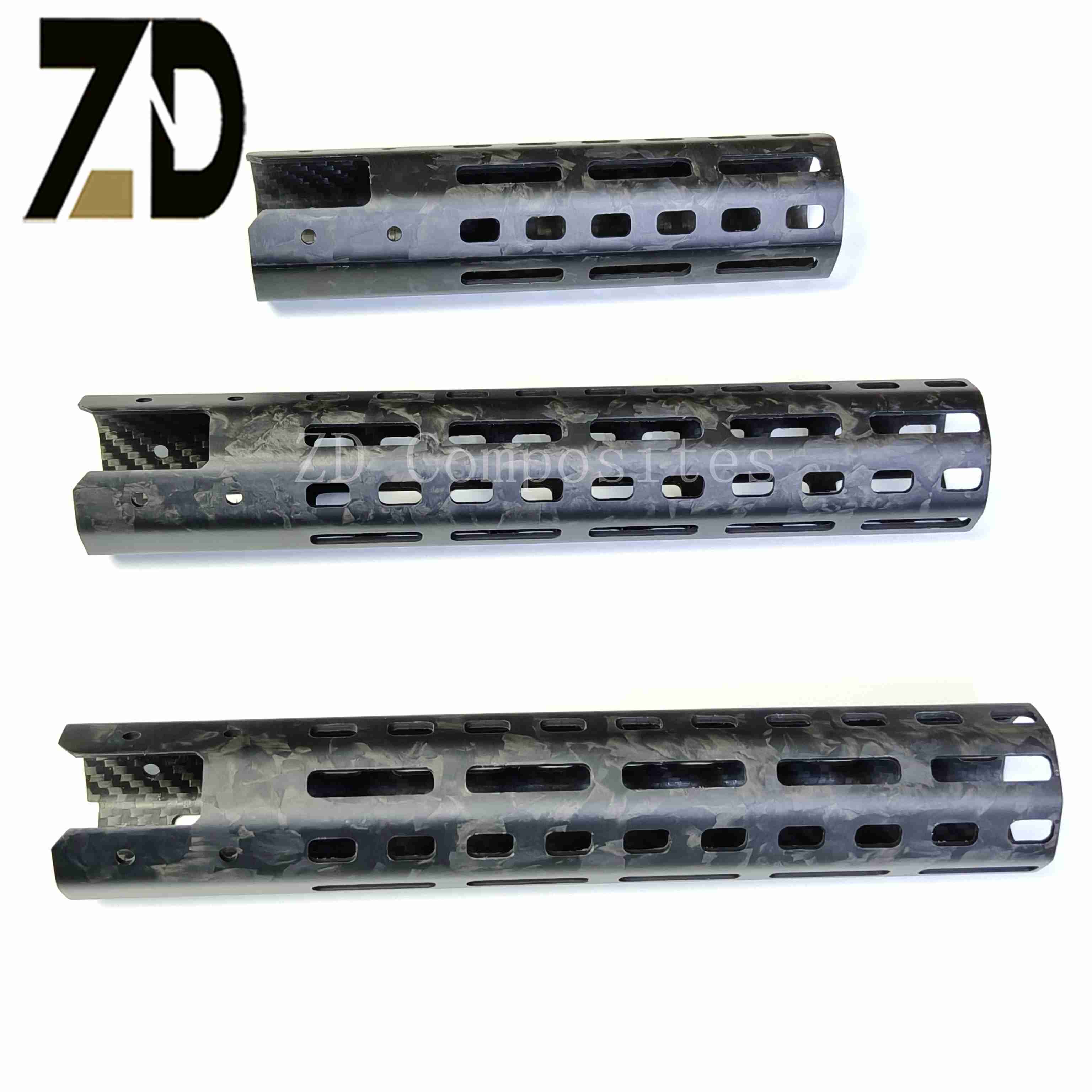
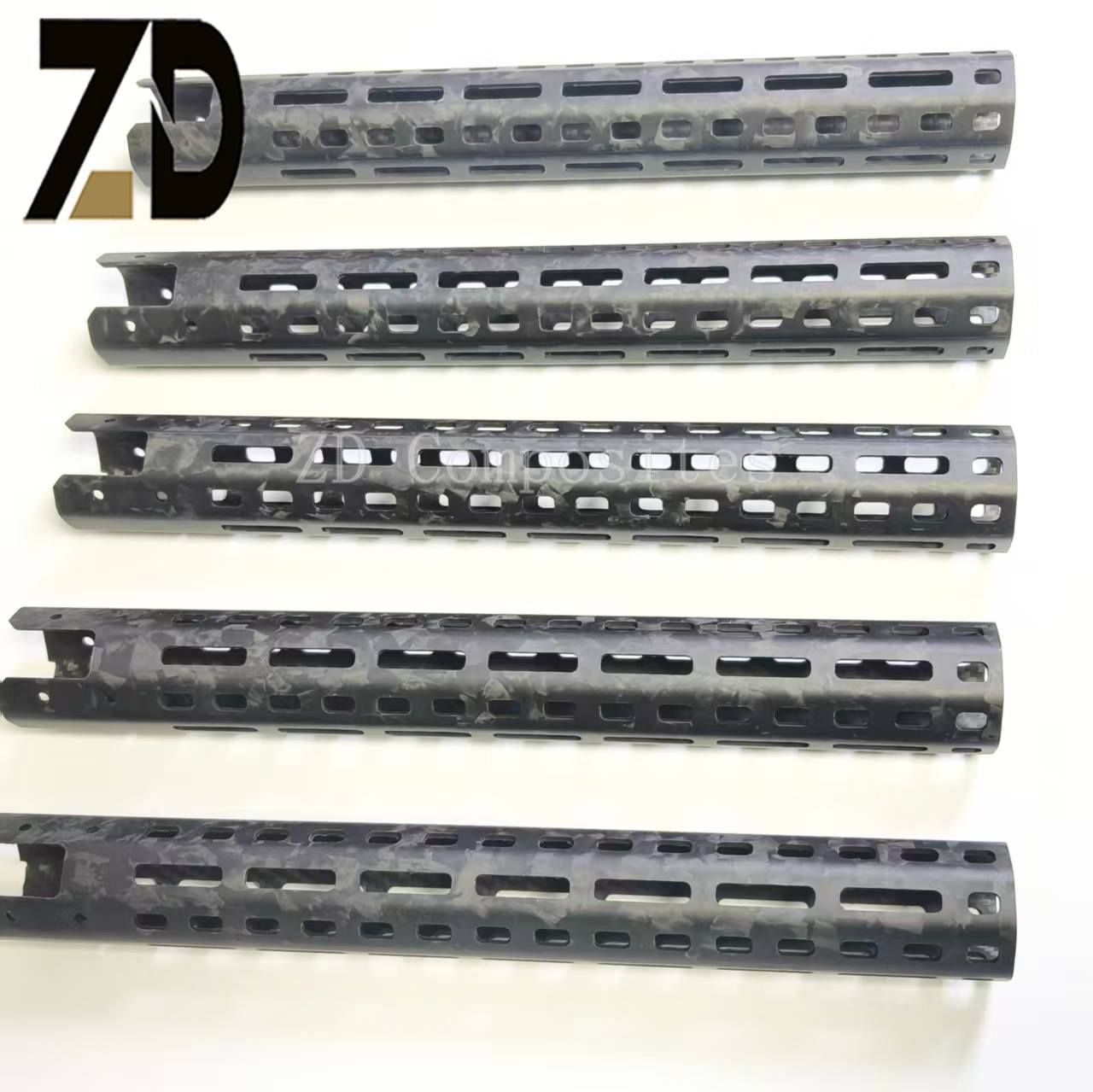
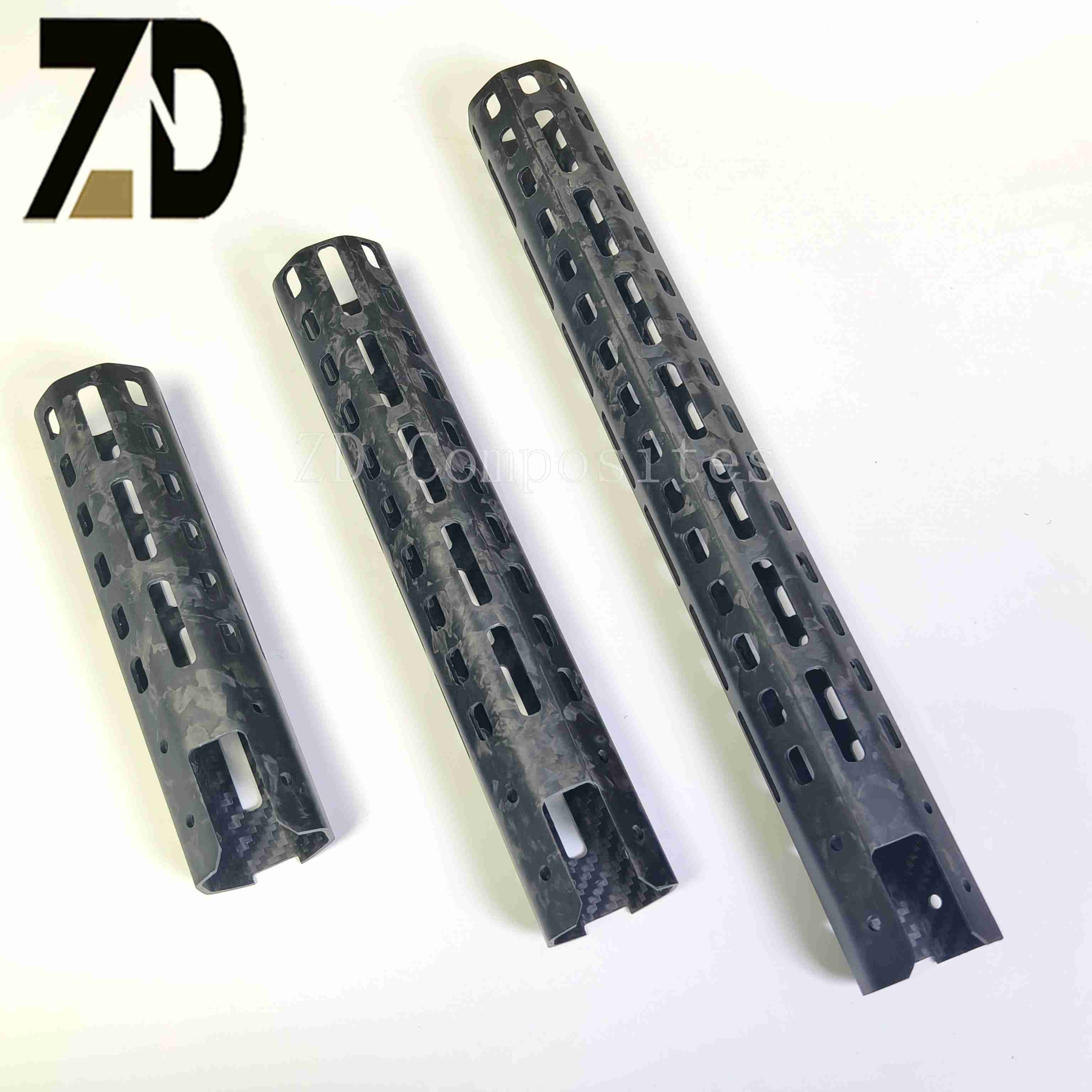
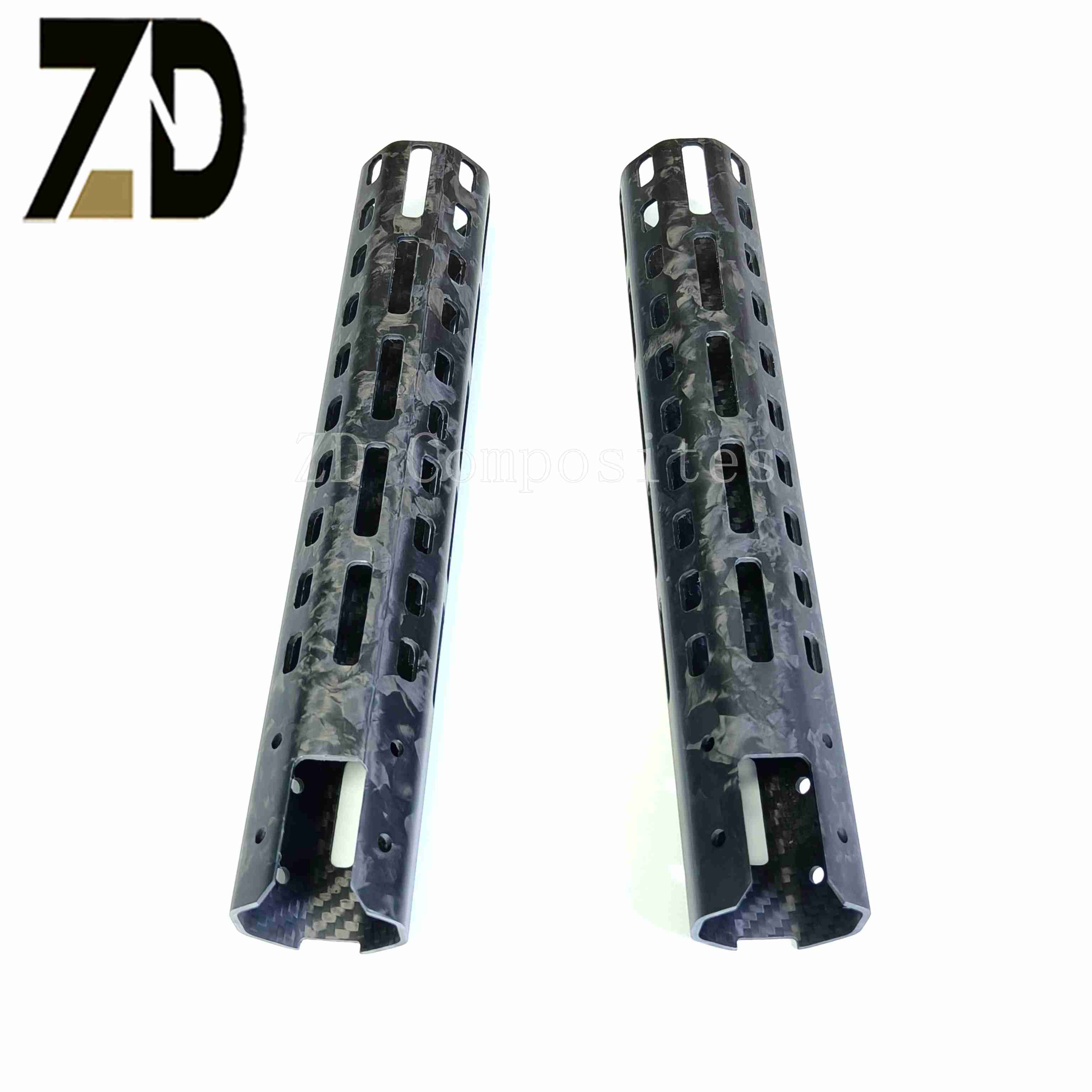
Our octagonal forged carbon fiber barrel guard is a custom molded and machined composite component developed for external barrel sleeve, barrel guard and equipment protection applications. Its eight-sided profile creates defined flat faces for controlled positioning, mounting interfaces and a distinctive technical appearance, while the forged carbon surface provides a non-repeating pattern for visible product designs.
- Overview
- Recommended Products
- Internal clearance between the guard and the underlying barrel or equipment tube;
- Installation and removal method;
- Contact points, clamps, collars or retaining features;
- Required access for maintenance and inspection;
- Heat, moisture, vibration and impact conditions;
- Edge protection and user-contact areas;
- Relationship between the guard and any sight, rail, bracket or outer housing;
- Applicable laws, regulations and end-use requirements.
- Protective sleeves around non-pressure equipment tubes;
- Sporting equipment frames and external guards;
- Camera, sensor or inspection equipment housings;
- Lightweight equipment support covers;
- Custom vehicle and motorcycle styling components;
- Prototype equipment assemblies where a visible forged carbon surface is required.
- Custom octagonal outer dimensions;
- Custom internal clearance and wall construction;
- Standard or project-specific length;
- Forged carbon pattern appearance;
- Matte, gloss or agreed surface finish;
- Cut-to-length processing;
- Drilled holes, slots and access openings;
- End trimming, edge finishing and sealing;
- Mounting or retaining features subject to design review;
- Protective packaging and production labeling;
- OEM/ODM development under an agreed project specification.
- Octagonal outer width, height or complete section drawing;
- Required internal clearance and wall thickness;
- Overall length and quantity for sampling and production;
- Installation method and surrounding assembly information;
- Hole, slot, retaining or end-feature requirements;
- Surface preference: matte, gloss or sample-matched finish;
- Expected exposure to heat, moisture, vibration or impact;
- Inspection points and required tolerance standard;
- 2D drawing, 3D CAD file, physical sample or application photograph.
- Incoming material and batch verification;
- Visual inspection of the forged pattern and surface finish;
- Octagonal profile and critical dimension inspection;
- Length and end-condition inspection;
- Hole, slot and feature-position inspection;
- Edge and machined-area inspection;
- Fit checking against an agreed mating part;
- Sample-based testing when specifically required by the project.
Octagonal Forged Carbon Fiber Barrel Guard for External Protection and Design Integration
A barrel guard is more than a cover placed around a tube. In a complete sporting or training equipment assembly, it may define the external appearance, protect a selected area from incidental contact, create a controlled interface for surrounding components and help the designer maintain a consistent product geometry. When the component is visible, its surface finish and profile also become part of the finished equipment design.
Our octagonal forged carbon fiber barrel guard is developed for projects that require an eight-sided external profile, a distinctive forged carbon appearance and application-specific machining. The octagonal geometry provides multiple flat reference faces instead of a continuously round surface. This can be useful when the guard must align with brackets, clamps, indexing features, outer housings or other surrounding components.
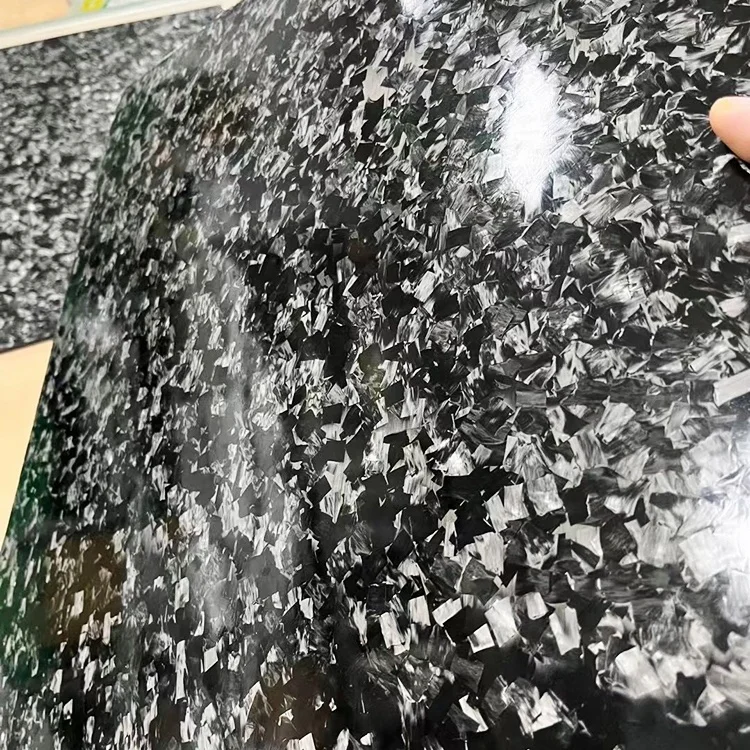
The visible forged carbon pattern differs from regular 3K twill carbon fiber. Instead of a repeating diagonal weave, forged carbon presents a more irregular, stone-like surface character. This makes the component suitable for premium sporting equipment, equipment prototypes, custom modification programs and other visible assemblies where a standard woven surface does not match the design direction.
The part is developed as an external barrel guard, sleeve or shroud component. The final dimensions and construction must be selected according to the surrounding assembly, required clearance, installation method, environmental conditions and applicable product regulations. We support project-based development from drawing review and tooling discussion to sample production, machining, surface finishing and repeat supply.
Why Choose an Octagonal Carbon Fiber Profile?
Eight defined faces for controlled integration
A round tube provides continuous curvature, while an octagonal profile creates multiple planar faces. These faces can provide useful reference areas for clamps, brackets, outer housings, alignment features and protective covers. The actual interface benefit depends on the approved drawing and the way the guard is installed in the finished assembly.
A distinctive forged carbon surface
Forged carbon has an irregular visual pattern that is visibly different from 3K twill or plain woven carbon fiber. For an exposed barrel guard, this pattern can add a more individual technical identity to the equipment without relying on printed graphics or a painted decorative layer.
Because natural forged patterns can vary, appearance-sensitive projects should use an approved sample, visual limit sample or surface standard before production release. The final acceptance criteria should define the acceptable pattern, gloss level, color tone, edge appearance and visible surface condition.
A project-specific component rather than a generic tube
This product is developed as a machined component. The design can account for required length, internal clearance, end profile, mounting points, openings, slots, edge treatment and the relationship between the guard and the surrounding equipment. This allows the tube to be evaluated as part of a complete assembly rather than as an isolated catalog item.
Product Features and Benefits
01. Octagonal External Geometry
The eight-sided profile provides defined faces for positioning, alignment and surrounding component integration. It can be considered when a round carbon tube does not provide the required indexing or interface geometry.
02. Forged Carbon Fiber Appearance
The non-repeating forged pattern creates a premium composite surface that differs from regular twill weave. It is suitable for visible equipment components, custom sporting products and design-led OEM assemblies.
03. Molded and Machined Development
The component can be developed through a mold-based forming route and then prepared with agreed secondary operations. The exact process, tooling and machining plan are confirmed after reviewing the geometry, quantity and surface requirements.
04. Custom End and Interface Treatment
Cut ends, edge finishing, holes, slots, clearance features and other interface details can be evaluated according to the approved drawing. This helps reduce adaptation work during assembly when the requirements are defined at the beginning of the project.
05. Matte or Gloss Finish Options
A matte surface can provide a restrained technical look, while a gloss surface can increase the visual depth of the forged pattern. Final finish, coating and edge treatment should be confirmed through samples when appearance consistency is important.
06. Lightweight Composite Design Direction
Carbon fiber composite construction is often selected when a project needs to manage component weight while retaining a defined external form. The actual weight and structural behavior depend on the final dimensions, laminate design, resin system, interfaces and use conditions.
07. OEM and ODM Customization
We can review new product concepts, replacement components, small-batch development programs and repeat production requirements. A drawing, CAD file, sample or reference image helps us evaluate manufacturing feasibility before quotation.
Manufacturing and Processing Workflow
1. Application and drawing review
We review the external profile, internal clearance, required length, visible surfaces, connection method, installation direction and expected quantity. For equipment-related applications, please also provide the surrounding assembly and any clearance or access requirements.
2. Geometry and tooling planning
The octagonal profile, corner transitions, end geometry, draft requirements and visible surface areas are considered together. Tooling planning also takes into account the required production quantity and acceptable appearance standard.
3. Material and laminate discussion
The internal construction is evaluated separately from the visible forged pattern. Fiber format, reinforcement layout, resin system and curing requirements should be selected according to the actual use, temperature, vibration, impact and environmental conditions.
4. Molded component production
The approved material is formed in the tooling under a controlled process to create the intended octagonal geometry. Process details and production controls are confirmed according to the project specification.
5. Secondary machining
After forming, the component can be evaluated for cut-to-length processing, drilling, slotting, end trimming, edge finishing, countersinking or other agreed operations. Final tolerances and inspection points must be stated on the approved drawing.
6. Surface finishing and sample approval
The part is prepared according to the selected matte, gloss or other agreed finish. For visible equipment, sample approval is recommended to confirm the forged pattern, surface depth, edge appearance and overall fit before repeat production.
7. Inspection and protective packing
Inspection requirements may include profile dimensions, length, end condition, hole position, surface appearance and other critical features. The finished component is protected against impact and surface damage during packing and shipment.
Application: External Barrel Guard and Barrel Shroud
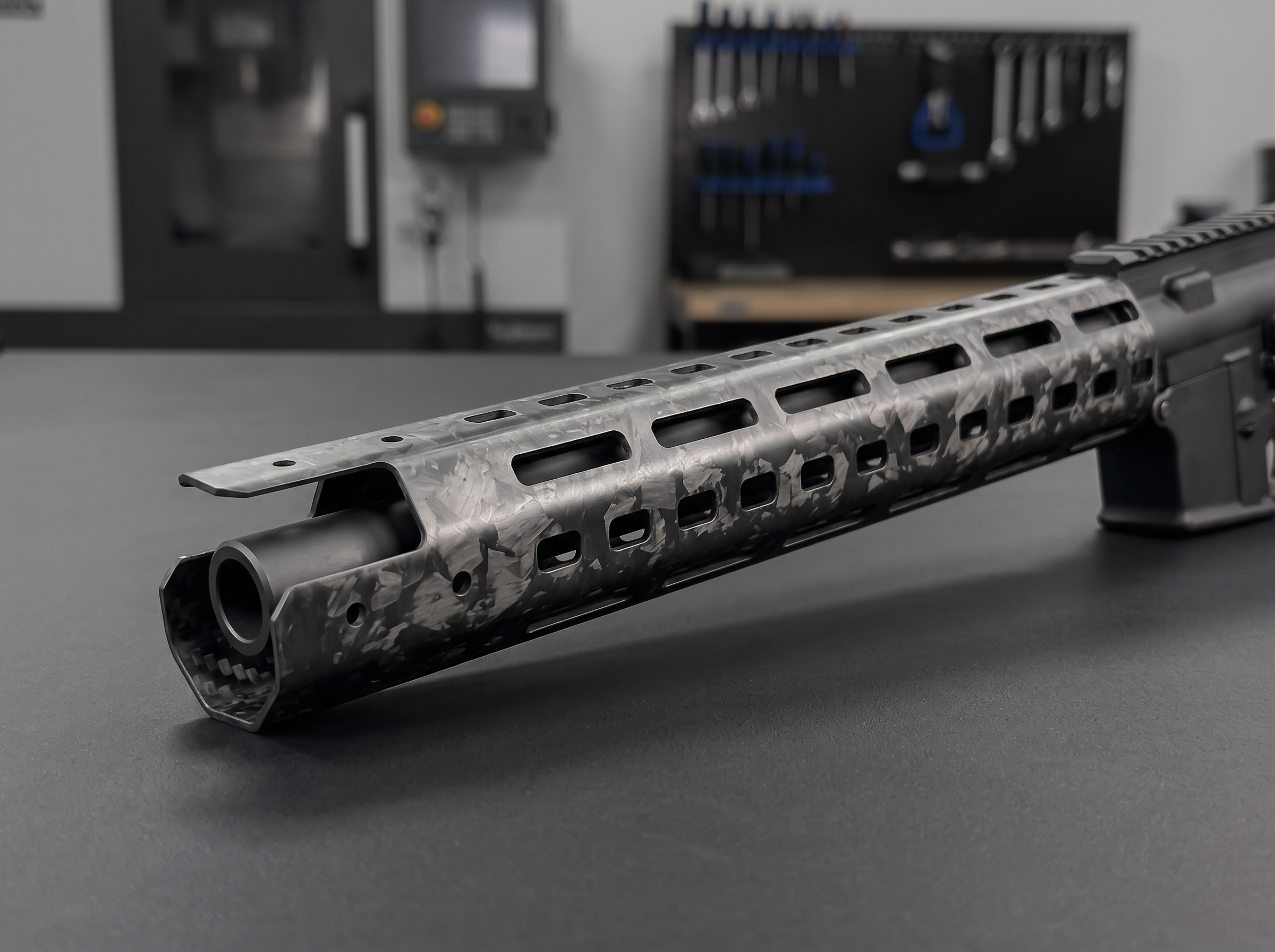
The octagonal forged carbon fiber component can be evaluated as an external guard or shroud around a barrel area in sporting, training or equipment assemblies. It may provide a controlled outer interface, an external protective layer against incidental contact and a visually integrated carbon fiber finish.
The guard should be designed around the complete assembly. Important review points include:
This product page describes an external composite guard/shroud component only. It does not make claims about ballistic protection, pressure containment, firing performance, accuracy improvement or suitability for a complete firearm. Final use and compliance should be assessed by the purchaser and the responsible equipment manufacturer.
Other Potential Uses
Depending on the final geometry and end-use review, the same octagonal forged carbon tube concept may also be considered for:
Each application requires its own drawing review. A product used as a decorative cover has different requirements from a product used as a fitted guard, support interface or vibration-exposed component.
Customization Options
Technical Specification Framework
The following fields should be completed with verified factory data before publication or quotation.
| Parameter | Specification / Capability |
|---|---|
| Product type | Octagonal forged carbon fiber barrel guard / external barrel shroud |
| Cross-section | Octagonal, according to approved drawing |
| Forming route | Mold-based forming; exact process subject to project review |
| Outer dimensions | Custom according to drawing |
| Internal clearance | Custom according to assembly requirement |
| Wall thickness | Custom according to design and process review |
| Length | Standard or cut-to-length |
| Visible surface | Forged carbon fiber pattern |
| Surface finish | Matte, gloss or other agreed finish |
| End treatment | Cut, trimmed, sealed or machined according to requirement |
| Secondary machining | Cutting, drilling, slotting, trimming and other agreed operations |
| Resin system | To be confirmed for the project |
| Dimensional tolerance | According to approved drawing and inspection standard |
| Inspection documents | Available subject to product and order requirements |
Information Required for Quotation
Please provide as many of the following details as possible:
Quality and Inspection
Quality requirements are confirmed with the approved drawing and project specification. Depending on the order, inspection may include:
For appearance-sensitive products, a master sample or visual approval standard should be established before repeat production. For assembly-related products, the inspection plan should identify the dimensions that control installation and clearance.
FAQ
What is an octagonal forged carbon fiber barrel guard?
It is a custom external composite sleeve or shroud with an eight-sided profile and a forged carbon fiber surface appearance. It is developed for integration around a barrel area or similar equipment tube and should be specified according to the complete assembly.
Is this the same as a regular 3K twill carbon fiber tube?
No. A regular 3K twill surface has a repeating diagonal weave. Forged carbon has a more irregular, non-repeating pattern. The two surfaces have different visual characteristics and should not be described as interchangeable.
Can you make the guard according to our drawing?
Yes. We can review the octagonal section, internal clearance, length, end treatment, holes, slots and assembly requirements according to a 2D drawing, 3D CAD file or physical sample. Feasibility and tooling requirements are confirmed before quotation.
Can the part be machined after molding?
Cutting, drilling, slotting, end trimming, edge finishing and other secondary operations can be evaluated. Please provide feature positions, tolerances and the mating-part information so the machining plan can be reviewed accurately.
Can you provide a matte or gloss surface?
Matte and gloss options can be discussed. For visible equipment, we recommend approving a physical sample because forged pattern distribution and surface reflection are best judged on the actual component.
Is this component a pressure-bearing barrel or ballistic protection part?
No. This product page describes an external carbon fiber guard or shroud component. It should not be represented as a pressure-bearing barrel, ballistic armor or a guarantee of firing performance. The final assembly and legal compliance must be evaluated by the responsible product manufacturer.
What information is needed to start a project?
Please send the section drawing, internal clearance, length, quantity, installation method, surface preference and application conditions. A CAD file, physical sample or application photograph will help us provide a more accurate proposal.
Call to Action
Developing an octagonal forged carbon fiber barrel guard?
Send us your drawing, CAD file, physical sample or assembly requirements. We can review the octagonal geometry, internal clearance, forged surface appearance, machining details and production route before preparing a project-based quotation.
Request a Quote
Send Your Drawing
Discuss a Custom Barrel Guard