EN



Custom Forged Carbon Fiber Tube for Automotive, Sports Equipment and 3C Electronics
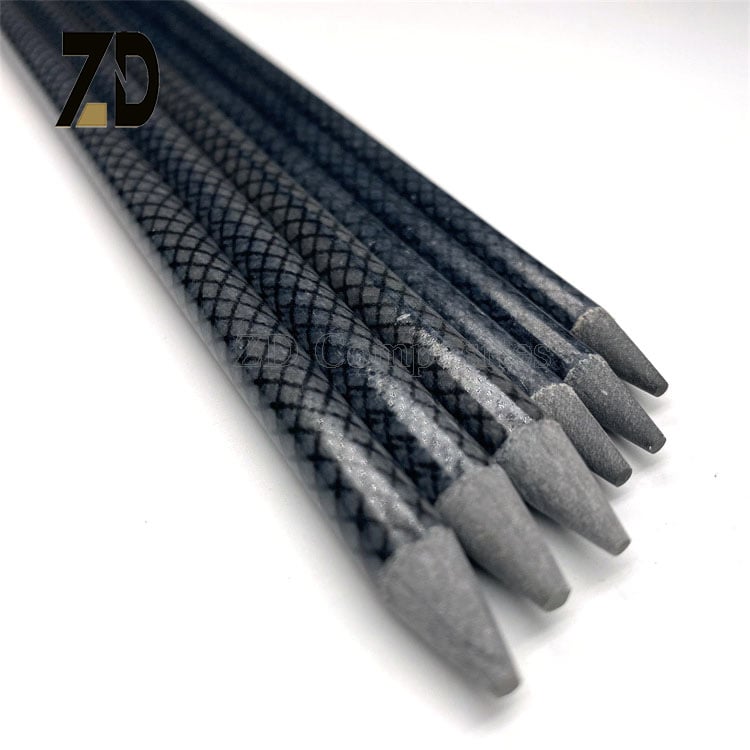
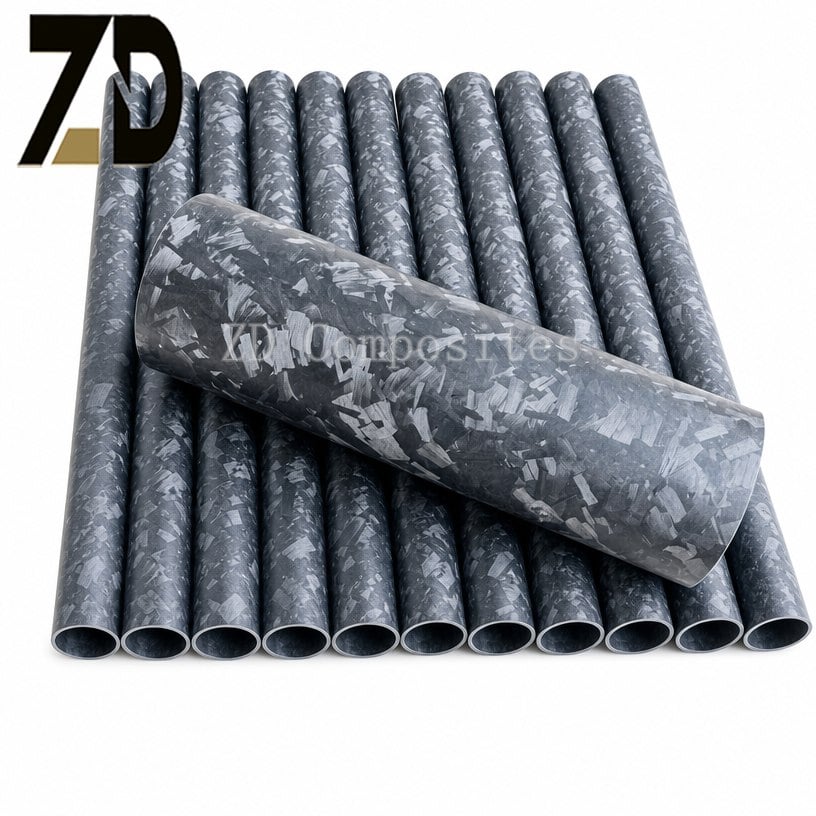
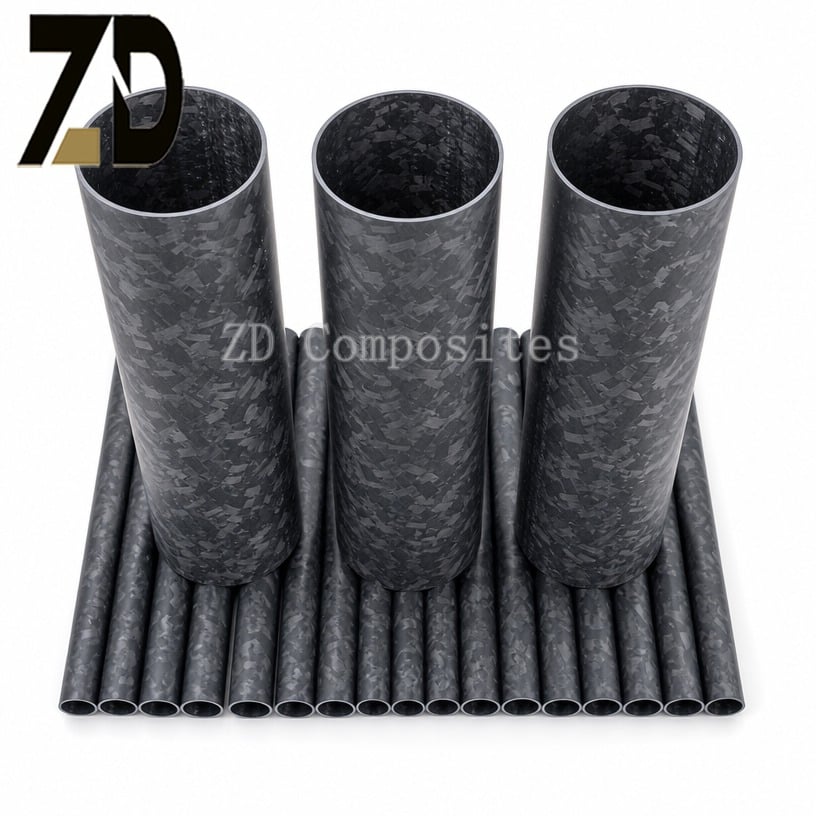
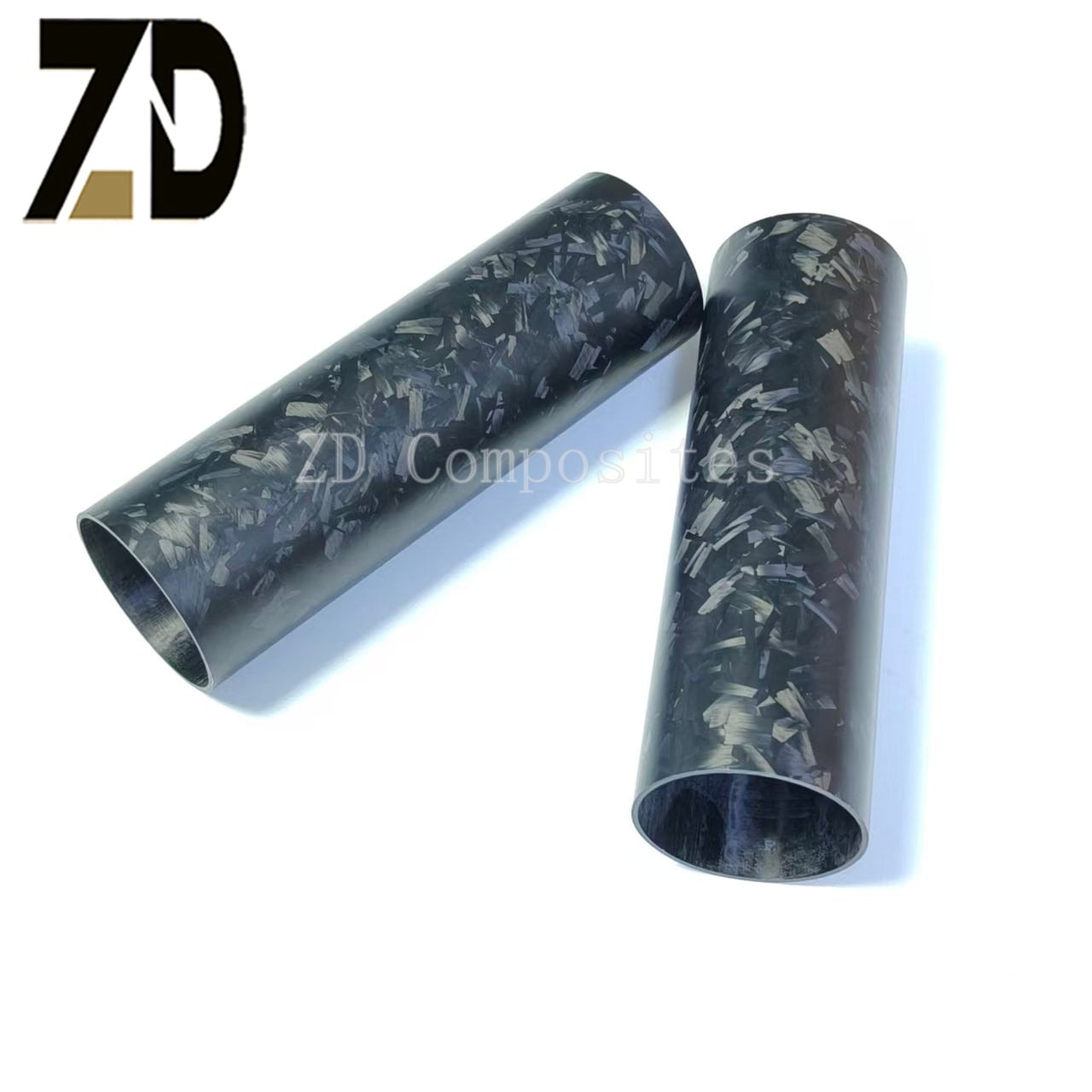
A forged carbon fiber tube combines a distinctive non-directional carbon fiber pattern with the lightweight, rigid and corrosion-resistant characteristics of carbon fiber composite construction. Developed for OEM and ODM projects, the tube can be customized according to the required diameter, wall thickness, length, end treatment and surface finish.
The visible forged carbon pattern gives each tube a technical, premium appearance that suits exposed components, while the final laminate design is selected according to the actual load path, connection method and operating environment. Send us your drawing, 3D file or sample requirement for an engineering review and project-based quotation.
- Overview
- Recommended Products
- Fiber format and reinforcement content;
- Fiber orientation and laminate schedule;
- Resin system and curing conditions;
- Tube diameter, wall thickness and length;
- Joint design and load transfer method;
- Surface finish and edge treatment;
- Temperature, moisture, vibration and impact conditions;
- Production quantity and required repeatability.
- Custom outer diameter and inner diameter;
- Application-specific wall thickness;
- Standard or custom tube length;
- Round or project-specific tube geometry, subject to tooling review;
- Forged carbon surface appearance;
- Matte, gloss or other agreed surface finish;
- Cut-to-length processing;
- Drilling, slotting and end trimming;
- Edge finishing and surface sealing;
- Bonded or installed inserts, subject to design review;
- Protective packaging and production labeling for approved orders.
- Outer diameter, inner diameter or cross-section drawing;
- Required wall thickness and tube length;
- Estimated sample quantity and annual production volume;
- Application and primary load direction;
- Connection method, holes, slots or insert requirements;
- Matte or gloss surface preference;
- Required forged pattern appearance or approved reference sample;
- Operating temperature, moisture, vibration and impact conditions;
- 2D drawing, 3D CAD file, physical sample or product photograph.
Forged Carbon Fiber Tube for Designed Performance and Distinctive Surface Appearance
Not every carbon fiber tube is selected only for its mechanical role. In automotive interiors, premium sporting goods, audio equipment and high-end electronic products, the visible surface is also part of the product experience. A tube may function as a support, enclosure element, handle, frame member or decorative structural component — but it must also fit the visual language of the final product.
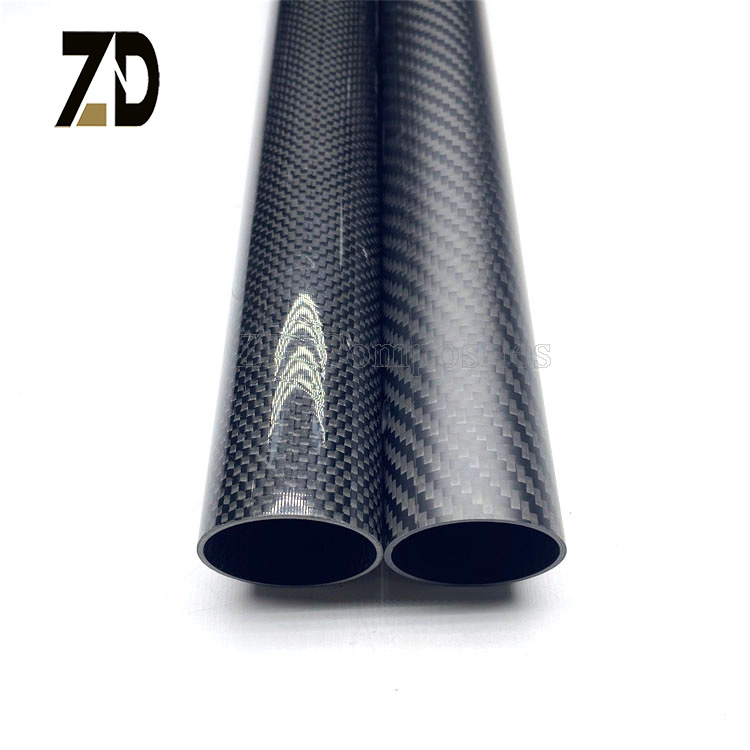
Our forged carbon fiber tube is developed for this intersection of engineering and appearance. The forged carbon pattern creates an irregular, stone-like carbon surface that differs from the regular alignment of a woven twill pattern. It gives designers a more distinctive surface direction for products that require a technical, premium and less conventional carbon fiber look.
The tube can be developed for OEM and ODM applications where the final requirements may include a custom cross-section, application-specific wall construction, defined length, machined ends, drilled holes, bonded inserts or a selected matte or gloss finish. Because the visible forged pattern and the internal structural laminate serve different purposes, we evaluate both aspects separately during product development.
The result is not simply a decorative carbon tube. It is a project-based composite component developed around the geometry, assembly method and intended use of your product.
What Makes a Forged Carbon Fiber Tube Different?
A forged pattern with a non-repeating visual character
Traditional twill carbon fiber shows a regular diagonal weave. A forged carbon fiber surface uses chopped or discontinuous carbon fiber elements to create a more organic pattern with less visual repetition. This makes it suitable for applications where the carbon surface is exposed and the product needs a differentiated appearance.
The exact pattern may vary according to the material format, mold surface, lay-up design and finishing process. For production orders, the acceptable appearance range should be confirmed through an approved sample or visual standard before mass production.
A tube geometry designed around the application
The tube may be developed as a round tube or another project-specific profile, depending on the product design. Outer diameter, inner diameter, wall thickness, length, end shape and connection details should be selected together rather than treated as isolated parameters.
For example, a tube used as an exposed automotive trim support may prioritize surface continuity and mounting details, while a tube used inside sports equipment may require a different balance of stiffness, weight and impact tolerance. Our engineering review starts with the actual application rather than a generic catalog size.
A premium surface for visible components
Forged carbon is often selected when a regular woven pattern does not match the design language of the finished product. Matte and gloss options can be evaluated according to the required appearance, handling conditions, UV exposure and cleaning requirements.
A matte surface can create a restrained technical appearance with reduced reflection. A gloss finish can increase visual depth and make the forged pattern more prominent. Final coating and edge treatment should be confirmed with a physical sample when appearance consistency is critical.
Engineering Considerations Before Ordering
The term “forged carbon” describes a material appearance and forming direction, but it does not by itself define the complete mechanical performance of the tube. The final result depends on several engineering variables:
For this reason, a forged carbon fiber tube should be selected according to the complete assembly. If the tube is used as a load-bearing or safety-related component, the connection areas and the surrounding structure should be reviewed together with the tube body.
Manufacturing and Development Approach
The suitable forming route is selected after reviewing the tube geometry, surface requirement, quantity and tooling plan. For a shaped or molded forged carbon tube, the development process may include the following stages:
1. Application and drawing review
We review the required dimensions, visible surfaces, load direction, connection method, operating environment and expected quantity. A 2D drawing, 3D CAD file, physical sample or clear reference photograph can be used as the starting point.
2. Laminate and tooling discussion
The internal construction is considered separately from the visual forged pattern. We evaluate the required fiber arrangement, wall construction, mold separation, draft requirements, edge definition and possible insert locations.
3. Sample development
A prototype or visual sample can be used to confirm the tube geometry, forged pattern, surface finish, end treatment and assembly interface. For appearance-sensitive products, approval should be based on a defined sample rather than a verbal description alone.
4. Secondary machining and finishing
Depending on the approved drawing, additional operations may include cut-to-length processing, drilling, slotting, end trimming, edge finishing, countersinking, bonding or insert preparation. The available operations and tolerances are confirmed after reviewing the part geometry.
5. Inspection and production release
Before repeat production, the agreed inspection points should be defined. These may include dimensional checks, visual appearance, hole position, cut-end quality, surface defects and other critical features listed on the drawing.
Key Product Benefits
Distinctive forged carbon appearance
The irregular pattern gives the tube a recognizable composite identity without relying on a repetitive woven surface. It is suitable for visible parts where surface appearance contributes to product positioning.
Lightweight composite construction
Carbon fiber composite construction can help reduce component mass compared with many conventional metal solutions. The actual weight benefit depends on the tube geometry, wall construction, resin content and required mechanical performance.
Corrosion-resistant material system
Unlike unprotected steel, carbon fiber composite parts do not rust. Long-term environmental performance still depends on the resin system, coating, edges, joints and the operating conditions of the finished assembly.
Customizable geometry and interfaces
The tube can be evaluated for custom diameter, wall thickness, length, end treatment, holes, slots and connection features. This helps reduce adaptation work during final assembly when the requirements are defined early.
Suitable for visible and integrated components
The forged surface can support premium product styling, while the internal laminate and geometry can be developed for a structural or semi-structural role. The final use should be confirmed through application review and, where necessary, sample testing.
Typical Applications
Automotive and Motorcycle Components
Forged carbon fiber tubes can be considered for exposed trim supports, interior structures, lightweight brackets, frame accessories, motorcycle styling components and custom modification parts. The forged appearance is particularly suitable when the component is visible and the design requires a more irregular carbon texture.
Sports Equipment
Potential applications include equipment frames, shafts, support tubes, handles, protective structures and custom sporting-goods components. The appropriate tube design depends on the required flex behavior, impact conditions, grip interface and connection method.
3C Electronics and Audio Equipment
The tube can be developed for equipment frames, internal support members, speaker or audio-device structures, cable-routing elements and decorative protective components. For electronic applications, the product design should also consider signal behavior, grounding, heat exposure and the position of nearby components.
Custom OEM Components
If the tube is part of a new product, replacement assembly or limited-edition design, we can review the required appearance, geometry and production method. OEM development is based on the approved drawing, sample and project requirements rather than a fixed universal specification.
Customization Options
Technical Specification Framework
The following information should be confirmed against the final drawing and quotation. Replace the fields with verified factory data before publishing numerical specifications.
| Parameter | Specification / Capability |
|---|---|
| Product type | Custom forged carbon fiber tube |
| Visible surface | Forged carbon fiber pattern |
| Tube geometry | Round or custom profile, subject to design review |
| Outer diameter | Custom according to drawing |
| Inner diameter | Custom according to drawing |
| Wall thickness | Custom according to application and tooling |
| Length | Standard or cut-to-length |
| Resin system | To be confirmed for the project |
| Surface finish | Matte or gloss, subject to sample approval |
| End treatment | Cut, trimmed, sealed or machined according to requirement |
| Secondary processing | Cutting, drilling, slotting, edge finishing and other agreed operations |
| Inspection standard | Based on approved drawing and agreed quality criteria |
| Certification / test documents | Available documents subject to product and order requirements |
Information Required for a Quote
To prepare a more accurate proposal, please send as many of the following details as possible:
FAQ
What is a forged carbon fiber tube?
A forged carbon fiber tube is a carbon fiber composite tube with a distinctive irregular forged carbon surface appearance. Its final mechanical behavior depends on the fiber construction, resin system, geometry, wall thickness and connection design.
Is forged carbon the same as 3K twill carbon fiber?
No. 3K twill normally refers to a regular woven surface with a diagonal repeating pattern. Forged carbon has a more irregular, non-repeating appearance created by discontinuous or chopped carbon fiber material. The two surfaces have different visual characteristics and should not be described interchangeably.
Can you make a custom size?
Yes. Outer diameter, inner diameter, wall thickness, length, end treatment and machining requirements can be reviewed according to your drawing or sample. Feasibility, tooling and production requirements are confirmed before quotation.
Can the tube be supplied in a matte or gloss finish?
Matte and gloss finishes can be discussed. The final finish should be confirmed with a sample when the product has strict appearance requirements or will be installed as a visible component.
Can forged carbon fiber tubes be used for load-bearing parts?
They may be considered for structural or semi-structural applications, but suitability depends on the complete laminate design, load path, joints, operating conditions and validation requirements. Please provide application information before final selection.
Can you drill or cut the tube?
Cutting, drilling, slotting, edge finishing and other secondary operations can be evaluated according to the drawing. Please include hole positions, tolerances and the assembly method in your inquiry.
What is needed to start an OEM project?
A drawing, 3D CAD file, physical sample or clear product requirement is the best starting point. Please also include the application, quantity, preferred surface finish and any critical dimensional or appearance requirements.
Request a Quote
Have a forged carbon fiber tube project in development?
Send us your drawing, CAD file, sample requirements or product concept. Our team can review the geometry, visible surface, finishing requirements and potential secondary operations before preparing a project-based quotation.
Request a Quote
Send Your Drawing
Discuss a Custom Tube