EN


Custom Anodized Aluminum Parts for OEM Hardware and Industrial Equipment
Custom aluminum parts, CNC hardware machining, mold/tooling development and anodized surface finishing
- Overview
- Recommended Products
- OEM Custom Aluminum Components with Anodizing, Polishing and Precision Machining
- Custom Aluminum Hardware Parts for Industrial Equipment, Automation and Enclosures
- CNC Machined Aluminum Brackets, Housings and Mounting Plates with Anodized Finish
- Where does the part connect to the surrounding structure?
- Which surfaces control alignment or positioning?
- Which holes, threads or slots are functionally important?
- Which faces remain visible after installation?
- Does the part need a protective housing, a support function or a repeatable interface?
- Is the project better suited to CNC machining, mold development or a hybrid route?
- What surface condition is required before anodizing, polishing or another finish?
- Structural mounting brackets;
- Aluminum equipment housings;
- Base plates and adapter plates;
- Sensor and connector supports;
- Machine covers and protective enclosures;
- Custom blocks, clamps and positioning components;
- Architectural and furniture hardware;
- Automation fixtures and tooling parts;
- Electronic equipment cases and mounting frames;
- Replacement parts developed from samples or legacy drawings.
- Face milling and profile milling;
- Drilling and reaming;
- Threading and tapping;
- Slotting and pocketing;
- Countersinking and counterboring;
- Contour cutting and edge profiling;
- Deburring and edge smoothing;
- Fixture-based secondary machining;
- Preparation for anodizing or other surface treatments.
- Parting direction and ejection;
- Draft and release requirements;
- Wall transitions and corner radii;
- Ribs, bosses, holes and local features;
- Machining allowance and finishing access;
- Expected quantity and production rhythm;
- Sample approval and inspection method;
- Future design revisions and tool-change implications.
- Anodized color direction;
- Matte, satin or brighter surface appearance;
- Mechanical polishing before anodizing;
- Brushing or directional surface texture;
- Polished chamfers and visible edge transitions;
- Deburring and safe edge treatment;
- Masking requirements around threads, holes and interfaces;
- Acceptable machining marks, scratches and cosmetic variation;
- Reference sample approval before production.
- Part name and application;
- 2D drawing, 3D CAD file, photograph or physical sample;
- Aluminum alloy requirement, if already specified;
- Overall dimensions and critical tolerances;
- Hole, thread, slot and mounting details;
- Prototype, trial-order and production quantities;
- CNC machining, mold or tooling preference, if known;
- Anodizing color and surface-finish reference;
- Polishing, brushing and edge-treatment requirements;
- Visible surfaces and acceptable cosmetic conditions;
- Operating temperature, moisture, chemicals, vibration or outdoor exposure;
- Inspection documents and acceptance criteria;
- Packaging and destination-country requirements.
- The most suitable manufacturing route;
- The relationship between machining and surface finishing;
- Mold or tooling requirements;
- Critical assembly interfaces;
- Prototype and production information;
- Packaging and inspection requirements.
- SEO Title: Custom Anodized Aluminum Parts | CNC Hardware Machining and OEM Service
- Meta Description: Custom anodized aluminum parts for OEM projects, including CNC hardware machining, mold development, polishing and industrial equipment applications.
-
Suggested URL:
/custom-anodized-aluminum-parts/ - Primary Keyword: custom anodized aluminum parts
-
Secondary Keywords:
- custom aluminum parts
- anodized aluminum components
- aluminum hardware machining
- CNC machined aluminum brackets
- custom aluminum housings
- aluminum mold and tooling customization
- polished aluminum parts
- OEM aluminum components
- aluminum parts for industrial equipment
- Recommended category: Custom Hardware / Aluminum Parts / OEM Manufacturing
- Target audience: European and North American OEM buyers, industrial equipment manufacturers, automation integrators, engineering companies, hardware brands and sourcing teams.
custom metal partsCNC machining serviceOEM and ODM manufacturingindustrial hardware componentscustom tooling and mold developmentsurface finishing service- Specific aluminum alloy grades;
- Actual machining tolerance and maximum part size;
- Confirmed anodizing colors and finish standards;
- Available polishing, brushing and masking options;
- Mold and tooling types actually supported;
- Inspection equipment and quality documents;
- Prototype and production lead times;
- MOQ, payment terms and trade terms;
- Factory location, certifications and production capacity;
- Real customer-approved application photographs or case studies.
1. Product Title Options
Recommended Title
Custom Anodized Aluminum Parts Manufacturer | CNC Hardware Machining and OEM Components
Alternative Titles
2. Short Product Introduction
Custom anodized aluminum parts connect design intent with real-world assembly. A mounting bracket needs to align with the equipment frame. A housing needs to protect internal components while leaving room for connectors, fasteners and service access. A mounting plate needs to match the customer's hole pattern, installation position and surrounding structure. These requirements cannot always be solved with standard hardware.
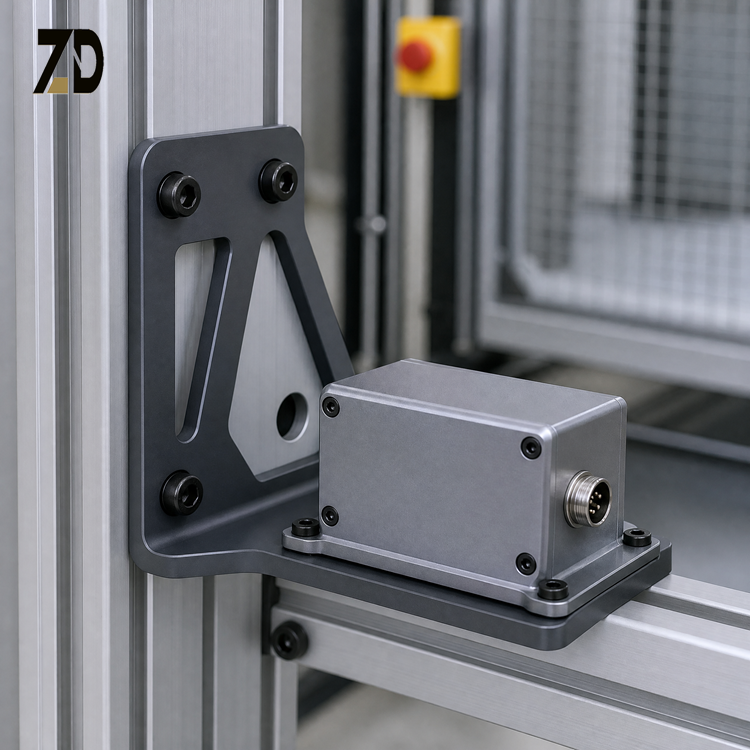
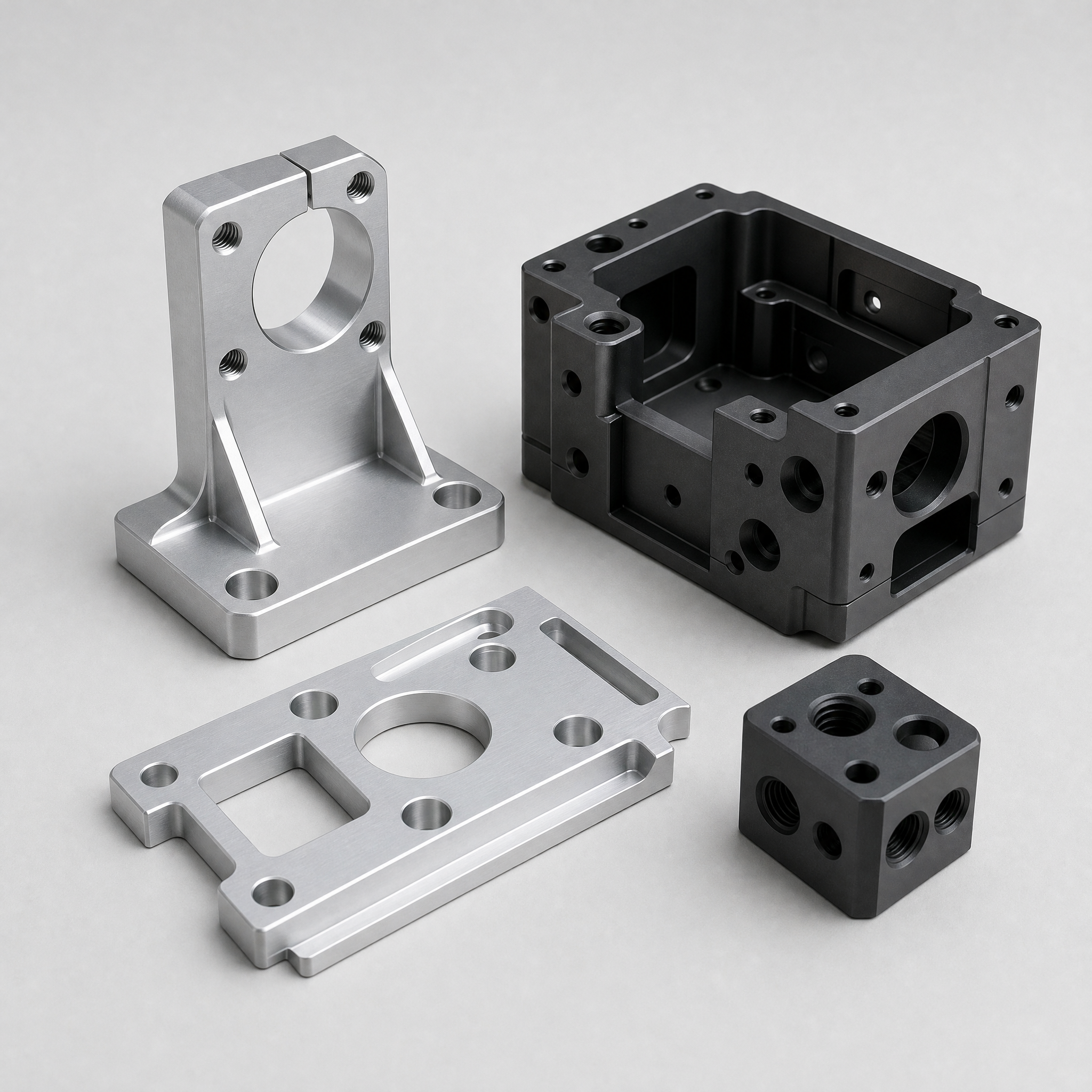
Our custom anodized aluminum parts service supports OEM and ODM projects that require drawing-based aluminum components, CNC hardware machining, mold or tooling development, polishing and surface finishing. The four product images on this page represent the typical project logic: a group of finished custom components, a close view of anodized surfaces and polished edges, a combination of machined parts and tooling, and aluminum hardware installed in an industrial equipment environment.
Customers can submit a 2D drawing, 3D CAD file, physical sample or product photograph for an initial review. The manufacturing route is selected according to geometry, required interfaces, expected quantity, material specification, surface treatment and inspection requirements. Where a project needs a dedicated mold or forming tool, tooling development can be evaluated alongside machining and secondary processing.
The images are representative application visuals rather than a fixed product catalog. Actual alloy, dimensions, tolerances, hole patterns, finish color, gloss level, packaging and delivery schedule are confirmed from the approved project documents.
3. What the Images Show
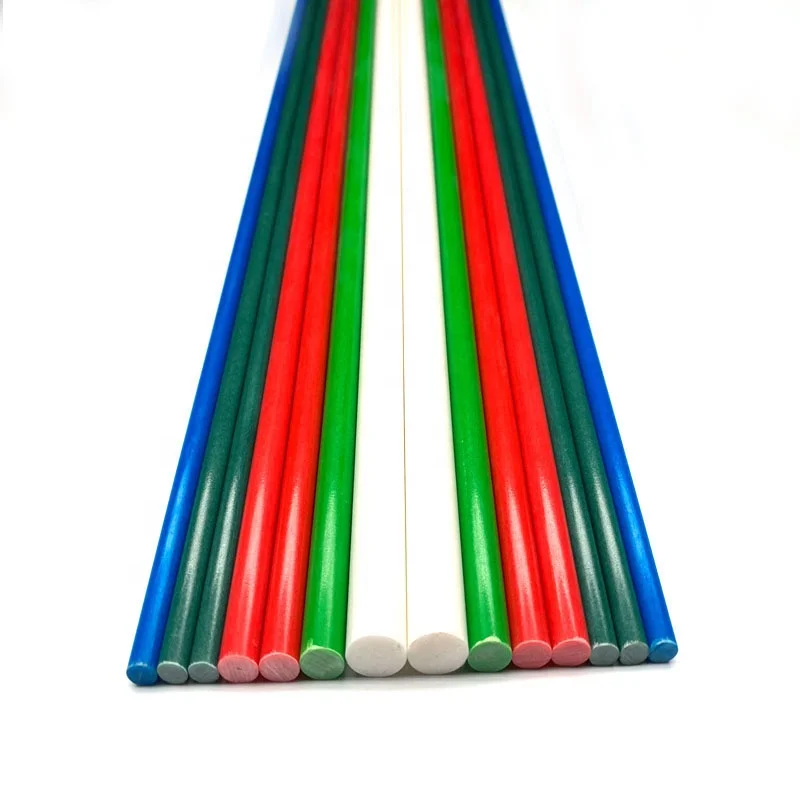
Image 1: A Set of Custom Aluminum Hardware Components
The first image shows a representative combination of a machined mounting bracket, a compact aluminum housing, a flat mounting plate and a threaded connector block. The purpose of this composition is to demonstrate that custom aluminum parts are developed around different assembly roles rather than produced as one standard shape.
The bracket represents a structural connection. The housing represents a protective or functional enclosure. The plate represents a mounting interface with cutouts and hole locations. The connector block represents a compact machined component that may be used where several fastening or positioning surfaces meet.
This image is suitable for the product hero section because it quickly answers the buyer's first question: “What type of aluminum components can be customized?”
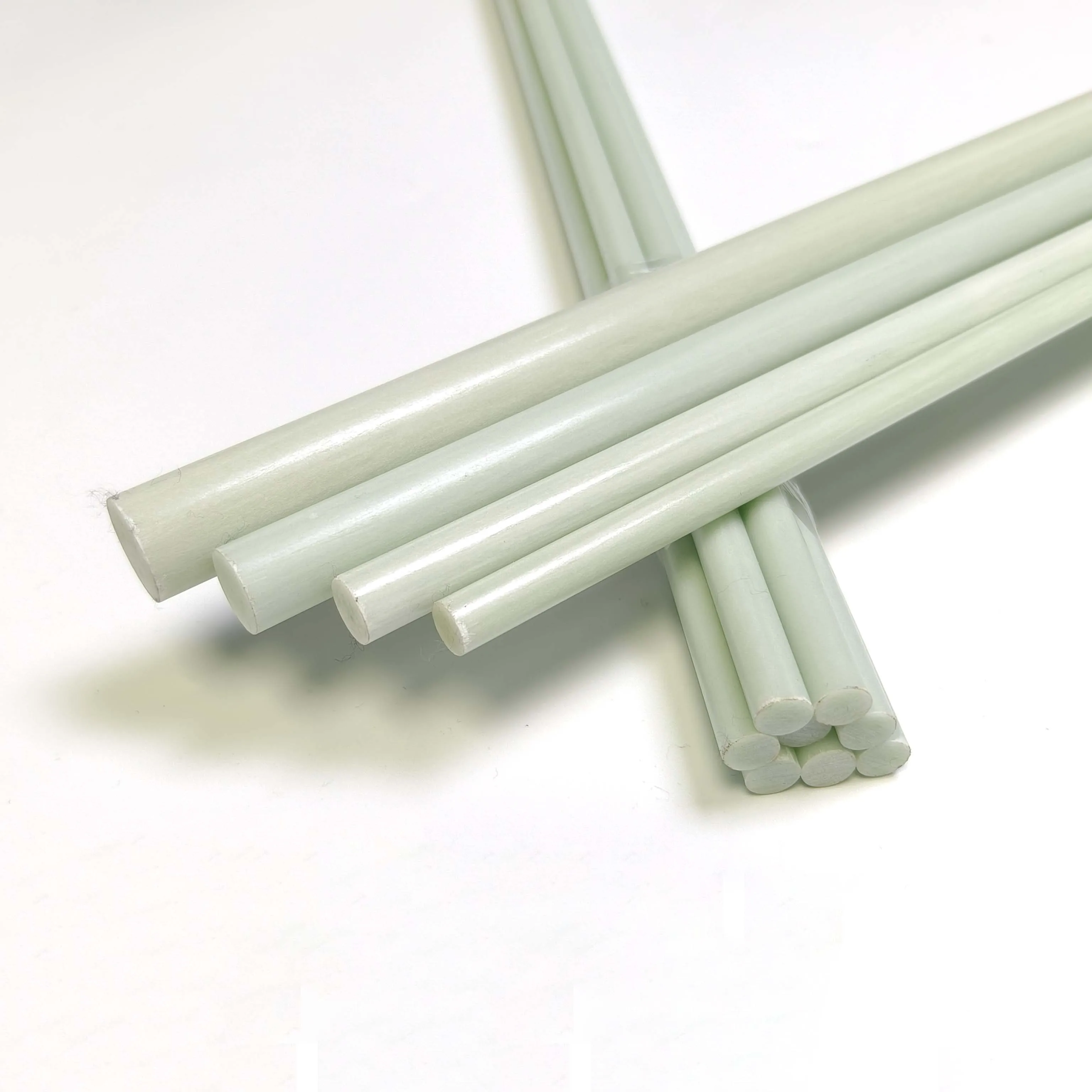
Image 2: Anodized Surface and Polished Edge Details
The second image focuses on two representative machined components with dark anodized surfaces and bright polished edge transitions. The visible contrast makes the relationship between the base aluminum part, the anodized finish and the machined chamfer easier to understand.
For B2B buyers, surface finish is not only a visual issue. It can affect how the part is handled, cleaned, presented and integrated into a finished machine or product. A clear finish specification should identify the visible faces, texture, gloss preference, edge condition, acceptable marks and approval sample.
The image is therefore suited to a surface-finishing section rather than a general application section. It shows the visual direction of the service without claiming a fixed color, gloss value or anodizing standard for every project.
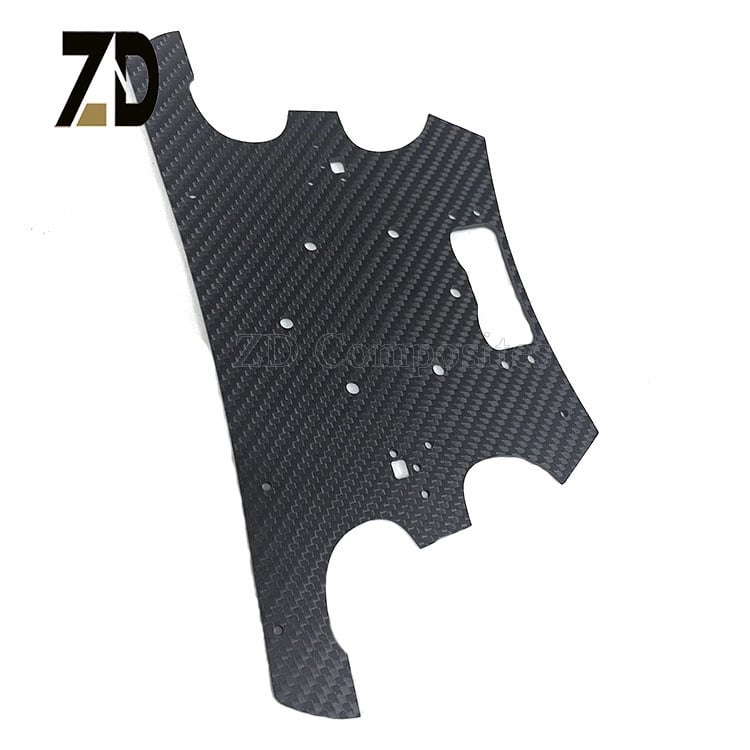
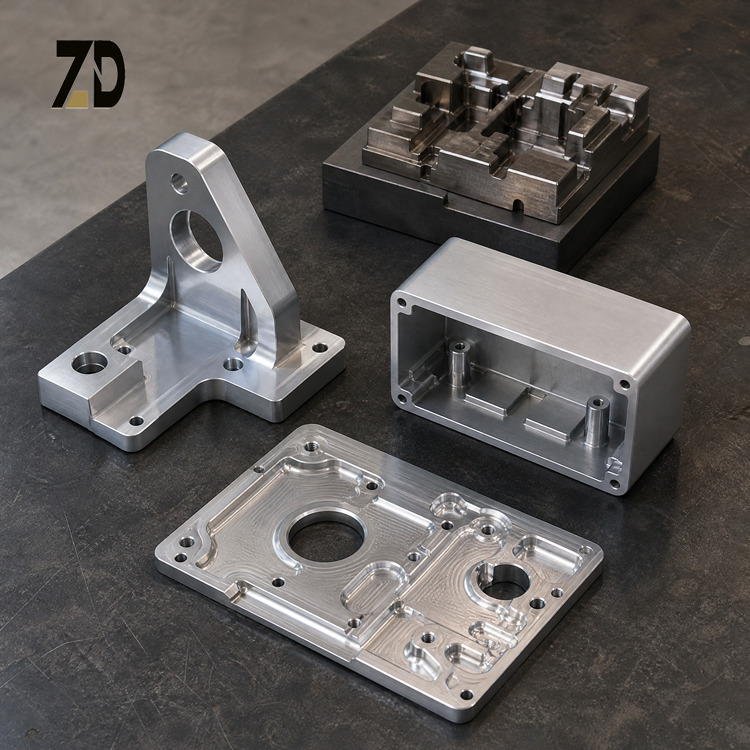
Image 3: Machined Parts with Custom Tooling
The third image places finished aluminum components beside a dedicated-looking tooling block. This composition explains the difference between a part and the tool used to create or support a production process.
Machining may be practical for prototypes, replacement components, complex one-off geometry or lower-volume requirements. A dedicated mold, die or forming fixture may become more appropriate when the geometry is stable and the buyer requires repeatable production. The best route depends on part geometry, volume, tooling investment, secondary machining and inspection requirements.
This image is suitable for explaining the company's engineering review and mold customization service. The tooling shown is a representative visual and must not be interpreted as a confirmed mold type, tool material or production specification.
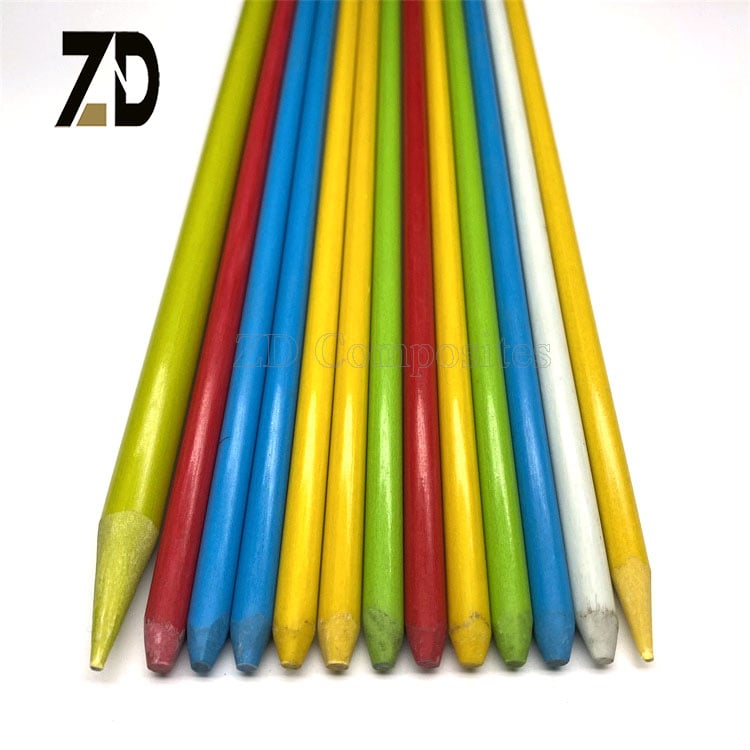
Image 4: Aluminum Hardware in Industrial Equipment
The fourth image shows a dark anodized mounting bracket and a silver aluminum housing installed in a neutral automation fixture. It connects the product to a practical application: aluminum hardware used as part of a machine structure, equipment enclosure or sensor-related assembly.
The image emphasizes interfaces. The bracket is fixed to a vertical equipment frame, while the housing is positioned on a horizontal support. In a real project, the final design would also need to consider vibration, clearance, cable routing, connector access, fastener selection, environmental exposure and maintenance requirements.
This application view is suited to the “Where Are Custom Aluminum Parts Used?” section because it shows that the component is designed to work within a larger system.
4. Custom Aluminum Parts for Real Assembly Requirements
A custom aluminum part should be evaluated as part of an assembly, not as an isolated piece of metal. The critical questions usually include:
Our custom aluminum parts workflow uses these questions to connect product design, manufacturing and finishing. The goal is not to force every project into one process. The goal is to select a production route that fits the actual component.
Typical custom components include:
5. CNC Hardware Machining
CNC machining is suitable for aluminum parts that require defined geometry, drilled holes, threads, pockets, slots, cutouts or functional mounting faces. The exact machining route depends on the part shape, raw material form, quantity and tolerance requirements.
Possible operations may include:
The drawing should identify critical dimensions, datum references, hole locations, threads, functional surfaces and cosmetic surfaces. If a part will be anodized after machining, the buyer should also identify the required appearance and any areas that must remain masked, untreated or specially protected.
CNC hardware machining can support prototypes and low-volume components without committing immediately to a dedicated mold. For stable designs with repeatable production demand, the engineering team can compare the machining route with tooling-based production.
6. Mold and Tooling Customization
Some custom aluminum components require a mold, die, forming tool or dedicated fixture to achieve the intended geometry or production consistency. Tooling customization should begin with a design-for-manufacturing review rather than with tool cutting alone.
The review may consider:
A dedicated tool is not automatically economical for every order. Machining may be more flexible for prototypes and changing designs. Tooling may become more attractive when the geometry is stable and the buyer needs a repeatable process. This decision should be based on the complete project rather than on a generic claim about one manufacturing method.
The third image on this page is designed to help buyers understand this relationship: the visible aluminum parts are the finished components, while the tooling block represents the engineering infrastructure that may support a repeatable production route.
7. Anodizing, Polishing and Surface Finishing
Surface finishing is part of the product specification. It affects appearance, tactile feel, visual consistency, edge perception and the way the part fits into a finished machine or product.
For custom anodized aluminum parts, the finishing discussion may include:
The second image shows a dark anodized appearance with contrasting bright edges. It is a useful visual reference for the relationship between surface color and edge treatment, but the final appearance must be agreed through a project sample or approved finishing standard.
For industrial equipment, the most important finishing question may be consistency across visible parts. For architectural or furniture hardware, the focus may be color, texture and tactile quality. For electronic housings, the buyer may also need to review connector openings, grounding points, thermal requirements or masking areas.
“Polished” and “anodized” should not be used as complete specifications by themselves. A better request identifies the visible face, desired texture, color direction, gloss preference, edge treatment and allowable surface marks.
8. Application Areas
Industrial Machinery
Custom anodized aluminum parts can be used for brackets, protective housings, mounting plates, covers and structural interfaces. The fourth image shows how a bracket and housing may work within an equipment frame.
Automation and Robotics
Aluminum hardware can support sensors, tooling, cable routes, guards, fixtures and equipment enclosures. Designers should review motion clearance, vibration, fastening, service access and the relationship between the component and the automation frame.
Electronics and Electrical Equipment
Machined aluminum housings, connector plates and mounting brackets can support electronic assemblies. The design review should include openings, connector access, grounding, thermal requirements and the selected surface treatment.
Automotive and Transportation Equipment
Custom aluminum brackets, trim supports, enclosures and mounting structures can be developed for prototypes, equipment and vehicle-related applications. Material, surface finish and validation requirements must be confirmed for the actual program.
Architectural and Building Hardware
Aluminum components may be used in doors, windows, partitions, facades, railings and interior systems. Visible surfaces require clear finish references and consistent cosmetic inspection.
Furniture and Commercial Fixtures
Custom anodized aluminum brackets, connectors, handles, frames and decorative components can be developed for furniture, retail displays, hospitality equipment and office systems.
Energy and Infrastructure Equipment
Aluminum covers, support brackets, equipment frames and cable-management parts can be customized for installations that require defined interfaces and a specified surface finish.
Professional and Medical Equipment
Professional equipment may require custom aluminum housings, support hardware and cleanable surfaces. Any regulatory, sterilization or certification requirement must be confirmed by the customer before production.
9. OEM / ODM Manufacturing Process
Step 1: Drawing and Image Review
Send a 2D drawing, 3D CAD file, product photograph, physical sample or initial concept. The four images on this page can be used as a visual starting point, but the final quotation requires project-specific information.
Step 2: DFM and Process Evaluation
We review geometry, mounting interfaces, machining access, tooling possibility, surface treatment and inspection requirements. Unconfirmed items are listed for discussion rather than assumed.
Step 3: Quotation and Tooling Decision
The quotation can separate part manufacturing, mold or tooling, CNC machining, polishing, anodizing, inspection, packaging and shipping. The final process route is confirmed after the technical scope is clear.
Step 4: Prototype or Sample Approval
When fit or appearance is important, the buyer can review a sample or first article before wider production. The approved sample can become the reference for finish, edge treatment and visible surfaces.
Step 5: Production and Inspection
Production follows the approved drawing, material requirement, process route, finish and inspection points. Critical dimensions and cosmetic surfaces should be identified before production begins.
Step 6: Protective Packaging and Delivery
Anodized and polished components require protection against scratches, edge damage and contact marks. Packaging is confirmed according to part geometry, finish sensitivity and shipping method.
10. RFQ Information Required
For a faster review of your custom anodized aluminum parts project, please provide:
If the design is not complete, a clear photo and application description can still support an initial feasibility discussion. A formal quotation remains subject to drawing review and technical confirmation.
11. Technical Specification Framework
| Parameter | Project Requirement | Confirmation Status |
|---|---|---|
| Part type | Bracket, housing, plate, connector, fixture or custom hardware | To be confirmed |
| Aluminum alloy | Customer-specified or recommended after review | Required |
| Manufacturing route | CNC machining, mold/tooling, forming or hybrid process | Subject to DFM review |
| Part dimensions | According to approved drawing | Required |
| Critical tolerance | According to functional surfaces | Required |
| Hole and thread details | According to assembly interface | Required |
| Surface treatment | Anodizing, polishing, brushing or other finish | Required |
| Visible surface | Identified on drawing or approved sample | Required |
| Edge treatment | Deburred, chamfered, polished or other requirement | To be confirmed |
| Mold/tooling | Not required, optional or project-specific | To be evaluated |
| Inspection standard | Drawing, sample or agreed checklist | Required |
| Quantity | Prototype, trial batch and production estimate | Required |
| Packaging | Surface protection and export packaging | To be confirmed |
| Delivery terms | Confirmed before order release | To be confirmed |
This framework is intentionally open. Specific alloy, tolerance, finish color, mold structure, production quantity and delivery time should be filled using confirmed project information.
12. Frequently Asked Questions
What types of custom aluminum parts can you produce?
We can evaluate brackets, housings, mounting plates, connector blocks, equipment covers, fixtures, support components and other drawing-based aluminum hardware. The final process depends on geometry, quantity, material and finish requirements.
Can you provide anodized aluminum parts in different colors?
Anodizing color and appearance can be discussed according to the project requirement and reference sample. The final result depends on the selected material, surface preparation, anodizing process and agreed inspection standard.
Can the edges be polished after CNC machining?
Yes, polishing, brushing, chamfering and deburring can be included when required. Please identify which edges are functional, visible or cosmetic so the finishing sequence can be reviewed correctly.
Do you provide mold or tooling customization?
Mold and tooling development can be evaluated for parts that benefit from a dedicated forming or repeatable production route. Prototype machining may be more flexible for early-stage designs, while tooling may suit stable production geometry.
Can I order a prototype before production?
Prototype or first-article production can be discussed according to the project process and quantity. The sample can be used to review fit, appearance, anodized finish and other agreed acceptance points before production expansion.
What industries use custom anodized aluminum components?
Applications may include industrial machinery, factory automation, robotics, electronics, automotive and transportation equipment, building hardware, furniture, energy equipment and professional equipment.
What information do you need for a quotation?
A drawing, 3D CAD file, sample or clear product photograph is the best starting point. Also provide the application, quantity, aluminum requirement, critical dimensions, surface finish and destination market when available.
13. B2B Call to Action
Have a custom aluminum bracket, housing, mounting plate or tooling project?
Send your drawing, CAD file, product photograph or sample details. Tell us where the part will be used, which surfaces require anodizing or polishing, and whether you need prototype machining, mold development or production support.
We can help review:
Request a Custom Anodized Aluminum Parts Review
Submit your project information for a drawing-based OEM / ODM evaluation.
14. SEO Publishing Information
15. Image Placement and ALT Text
Image 1 — Hero Image
File: img-mvlsic5p-c978f9e8.png
Placement: Above the fold or Product Overview section
ALT: Custom anodized aluminum brackets, housings, mounting plates and connector blocks for OEM hardware
Caption: Representative custom aluminum components with machined geometry and anodized surface options.
Image 2 — Surface Finish Image
File: img-mvlsi5vl-1acb70e0.png
Placement: Anodizing, polishing and finishing section
ALT: Dark anodized aluminum bracket and housing with polished machined edges
Caption: Representative anodized finish with contrasting polished edge treatment.
Image 3 — Tooling and Machining Image
File: img-mvlshzs1-41d74338.png
Placement: Mold and Tooling Customization section
ALT: Custom aluminum machined parts displayed with a tooling block for OEM production
Caption: Representative relationship between finished aluminum parts and custom tooling development.
Image 4 — Industrial Application Image
File: img-mvlshtpc-84ab9ce2.png
Placement: Application Areas or Industrial Machinery section
ALT: Anodized aluminum bracket and equipment housing installed in an industrial automation fixture
Caption: Representative industrial application of custom anodized aluminum hardware.
16. Internal Link Suggestions
Use these anchor texts only when the linked pages actually exist:
Potential internal destinations may include the website's product, application, OEM/ODM or contact pages. Confirm the final URLs before publishing.
17. Publication Notes
Before publishing, replace or supplement this draft with confirmed company information where available:
This version is intentionally matched to the four supplied/generated visuals while keeping project-specific technical claims subject to drawing review and sample approval.