EN



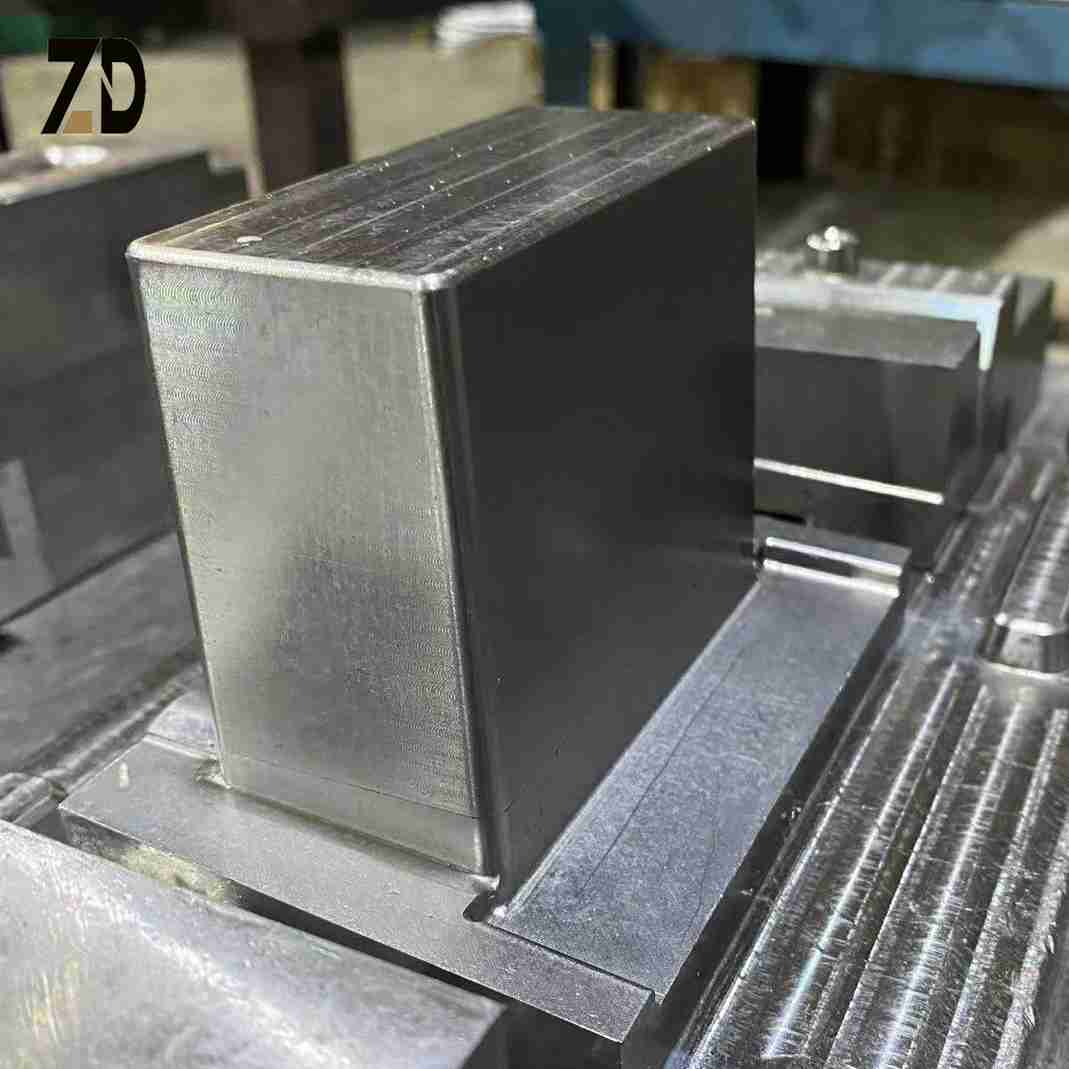
Custom Aluminum Parts and Hardware Machining for OEM Applications
Custom aluminum components, hardware machining and mold/tooling development
- Overview
- Recommended Products
- OEM Custom Aluminum Components and Precision Hardware Machining Service
- Custom Aluminum Parts, Tooling and Mold Processing for Industrial Applications
- Aluminum Hardware Manufacturer for CNC Machining, Custom Molds and Surface Finishing
- A part geometry designed around the actual assembly rather than an off-the-shelf compromise;
- Reduced manual adjustment during installation when interfaces are defined clearly;
- Consistent mounting locations for covers, brackets, sensors, frames and hardware;
- A clean surface suitable for visible equipment, architectural hardware or product housings;
- A repeatable production route for prototypes, small batches and approved volume programs;
- Better control over the relationship between the base material, machining process and surface finish.
- Mounting brackets and support blocks;
- Equipment covers and protective housings;
- Aluminum plates and base panels;
- Connector bodies and adapter components;
- Mechanical frames and structural nodes;
- Guide brackets, clamps and positioning parts;
- Door, window, furniture and architectural hardware;
- Automation fixtures and machine accessories;
- Electronic equipment housings and heat-dissipation components;
- Custom replacement parts for maintenance and equipment upgrades.
- Drawing and application review — confirm the part function, installation direction, visible surfaces and production objective.
- DFM discussion — review wall transitions, corners, holes, ribs, bosses, draft and areas that may increase tooling complexity.
- Tooling concept — select a suitable mold or forming approach according to part geometry and expected production requirements.
- Tool development — manufacture or arrange the agreed tooling after the technical scope and commercial terms are approved.
- Sample evaluation — inspect the first samples for shape, interface, surface quality and secondary processing requirements.
- Revision and production release — adjust the tool or process when required, then proceed according to the approved sample and inspection standard.
- Mechanical polishing for a smoother and more reflective appearance;
- Brushing for a directional satin texture;
- Deburring and edge smoothing for safer handling and assembly;
- Surface preparation before anodizing, painting or other finishing operations;
- Local polishing for visible faces or customer-defined cosmetic areas;
- Matte or satin treatment where glare reduction is important;
- Finishing around holes, edges and interfaces according to the drawing;
- Protective packaging to reduce scratches during handling and transport.
- Product name and intended application;
- 2D drawing, 3D CAD file, sample image or physical sample;
- Preferred aluminum alloy, if already specified;
- Critical dimensions and tolerance requirements;
- Quantity for prototype, trial order and expected production;
- Machining, mold or tooling preference, if already defined;
- Required holes, threads, inserts, slots and assembly interfaces;
- Surface polishing, brushing, anodizing, painting or other finish requirements;
- Visible surfaces and acceptable cosmetic conditions;
- Operating temperature, moisture, chemicals, vibration or outdoor exposure;
- Packaging, labeling and inspection documentation requirements;
- Destination country and preferred trade terms.
- Drawing before assumption: unresolved dimensions, materials or finishes are identified before production;
- Process matched to geometry: machining, tooling and finishing are selected according to the part rather than forced into one route;
- Sample before scale-up: when appearance or fit is critical, the approval sample becomes the reference for the next stage;
- Transparent scope: tooling, secondary processing, inspection, packaging and delivery are discussed as separate project elements when necessary.
- Submit your 2D or 3D drawing;
- Describe the application and assembly requirement;
- Confirm the desired surface finish;
- Share prototype and production quantities;
- Receive a drawing-based feasibility response.
1. Product Title Options
Recommended Title
Custom Aluminum Parts Manufacturer | Hardware Machining, Mold Development and Surface Polishing
Alternative Titles
2. Short Product Introduction
Custom aluminum parts are often the connection point between a product concept and a working assembly. A bracket, housing, cover, frame component, mounting plate or precision hardware part must not only match the drawing; it must also fit the assembly method, surface requirements and application environment.
Our custom aluminum parts service supports OEM and ODM projects that require drawing-based metal processing, tooling or mold development, secondary machining and surface polishing. Customers can submit a 2D drawing, 3D CAD file, physical sample or initial concept for engineering review. The final manufacturing route is selected according to the part geometry, material requirement, production quantity, dimensional expectations and surface finish.
Instead of treating machining, mold development and finishing as separate supplier tasks, we organize them as one project workflow. This helps overseas buyers reduce communication gaps between design, production and finishing teams while keeping the component aligned with its intended application.
Every project remains subject to drawing review and technical confirmation. Aluminum grade, dimensional tolerance, mold structure, machining method, polishing level, inspection standard, packaging and delivery terms can be defined according to the customer's approved requirements.
3. Why Choose Custom Aluminum Parts?
Aluminum is widely selected for engineered hardware because it can support a practical balance between weight, machinability, appearance and corrosion resistance. The correct grade and process still depend on the final application, so material selection should be confirmed from the drawing and working conditions rather than assumed from the product name alone.
A custom aluminum component can help manufacturers achieve:
The commercial value is not simply the use of aluminum. It is the ability to turn a specific engineering requirement into a controlled component that can be reviewed, sampled, modified and produced according to an agreed specification.
4. Custom Aluminum Hardware Machining
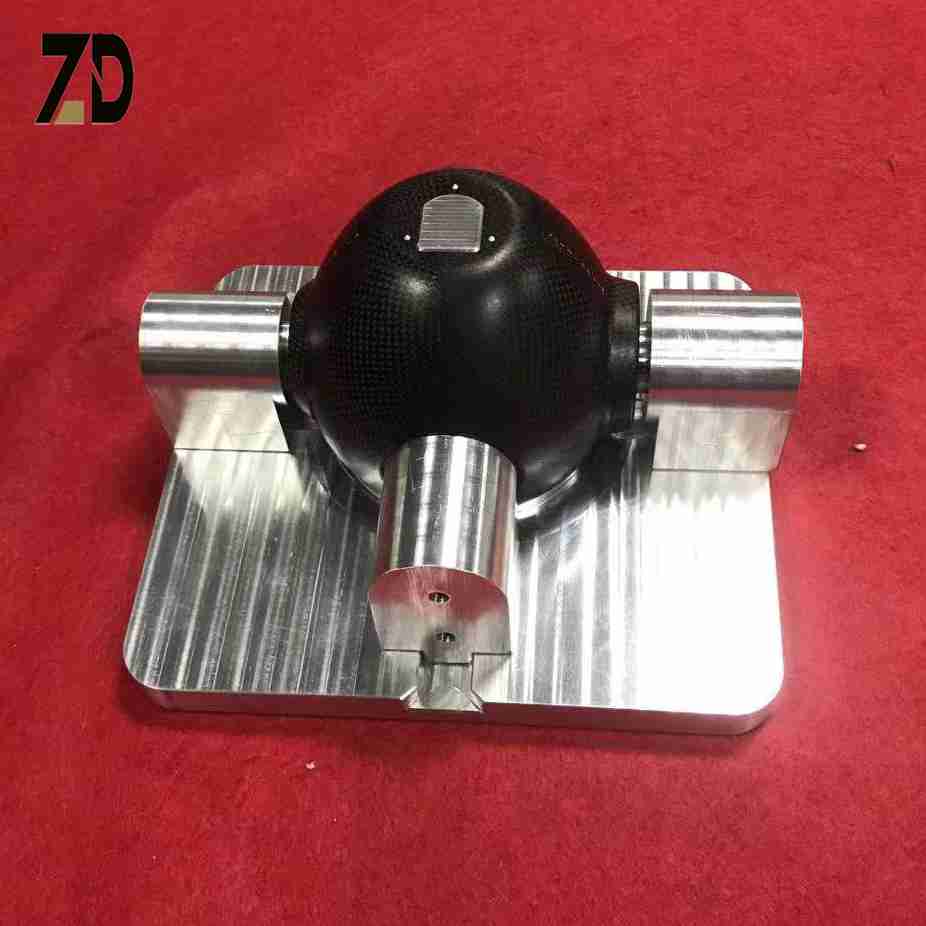
Our hardware machining service is intended for aluminum components that require controlled geometry, functional interfaces or post-forming operations. Depending on the approved drawing, processing may include cutting, drilling, tapping, milling, slotting, countersinking, deburring, edge treatment and other secondary operations.
Typical custom aluminum hardware includes:
The machining route is selected according to the geometry and quantity. A simple flat component may require cutting, drilling and deburring, while a more complex part may need multiple setups, dedicated fixtures or a combination of molded, forged, extruded and CNC-machined features.
For overseas OEM buyers, the most important step is to provide a clear drawing package. This should identify critical dimensions, hole locations, functional surfaces, visible surfaces, thread requirements, edge conditions and inspection points. If the drawing is still under development, our engineering team can review the concept and identify information that should be confirmed before production.
5. Mold and Tooling Customization
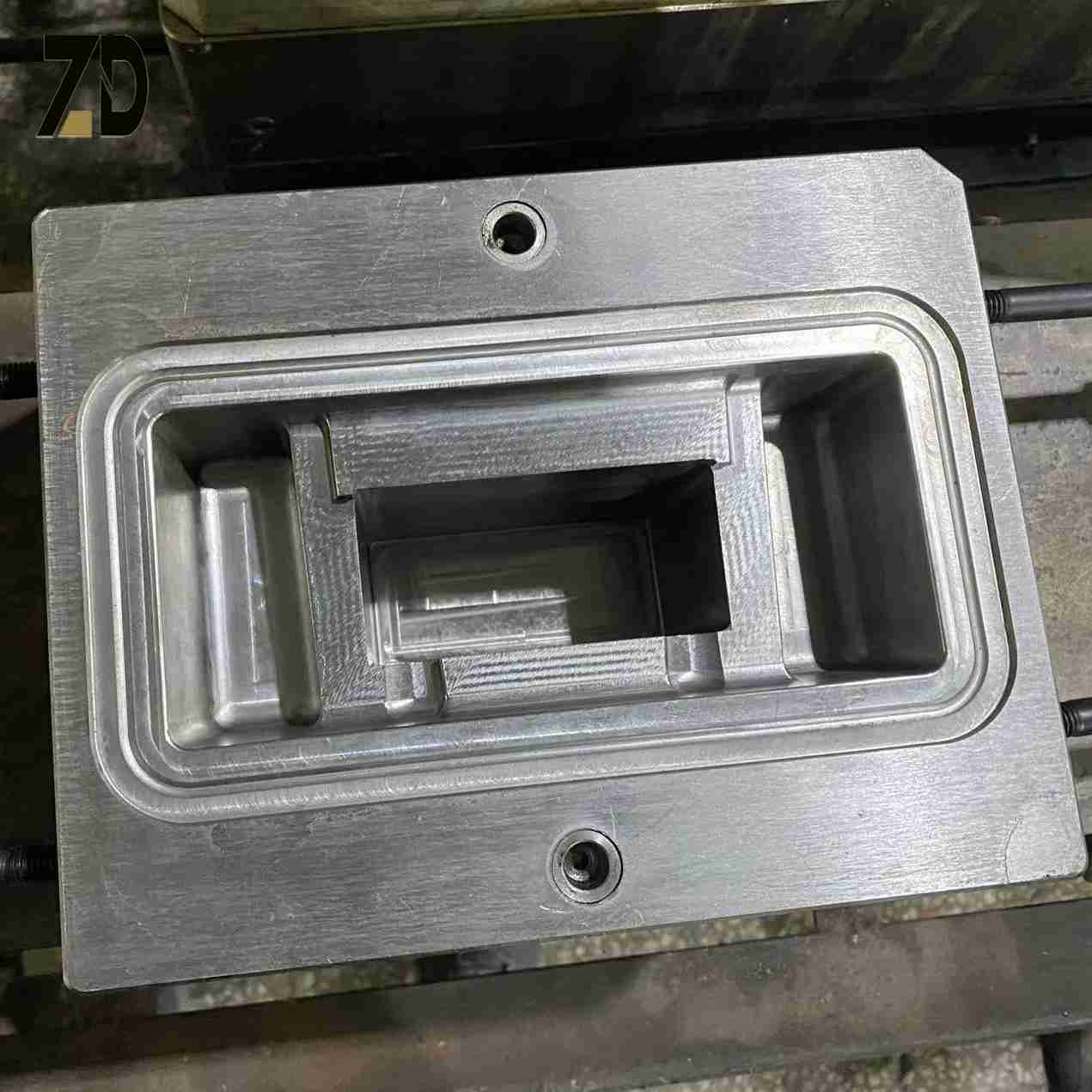
Some aluminum parts are better produced through a dedicated mold, die or forming tool when the geometry, production volume or repeatability requirement makes tooling-based manufacturing more practical. Mold customization begins with the product design, but the final tool must also consider draft, parting lines, wall transitions, shrinkage, ejection, machining allowance and finishing access.
A typical mold customization project may include:
Tooling is not automatically the best route for every project. For prototypes or low-volume orders, machining may reduce the initial tooling commitment. For repeatable production of a defined shape, a dedicated tool may improve process consistency and reduce the amount of secondary work. We recommend making this decision from the part geometry, batch plan and target cost rather than from a generic process preference.
6. Surface Polishing and Finishing
Surface treatment changes more than appearance. It can influence tactile quality, visual consistency, edge perception, cleaning requirements and the way a component integrates into a finished product.
For custom aluminum parts, the finishing route can be discussed according to the customer's functional and visual requirements. Possible directions may include:
The final finish should be specified with reference samples, photographs or an agreed inspection standard whenever appearance is important. Words such as “polished” or “smooth” can describe different expectations between suppliers and buyers. A clearer specification should identify the visible surface, texture direction, allowable marks, edge condition, gloss preference and sample approval method.
Where a part combines machining and polishing, the sequence matters. Removing too much material from a functional surface may affect fit, while insufficient edge preparation may leave machining marks or sharp transitions. For this reason, finishing requirements should be included in the quotation and drawing review instead of being added after production begins.
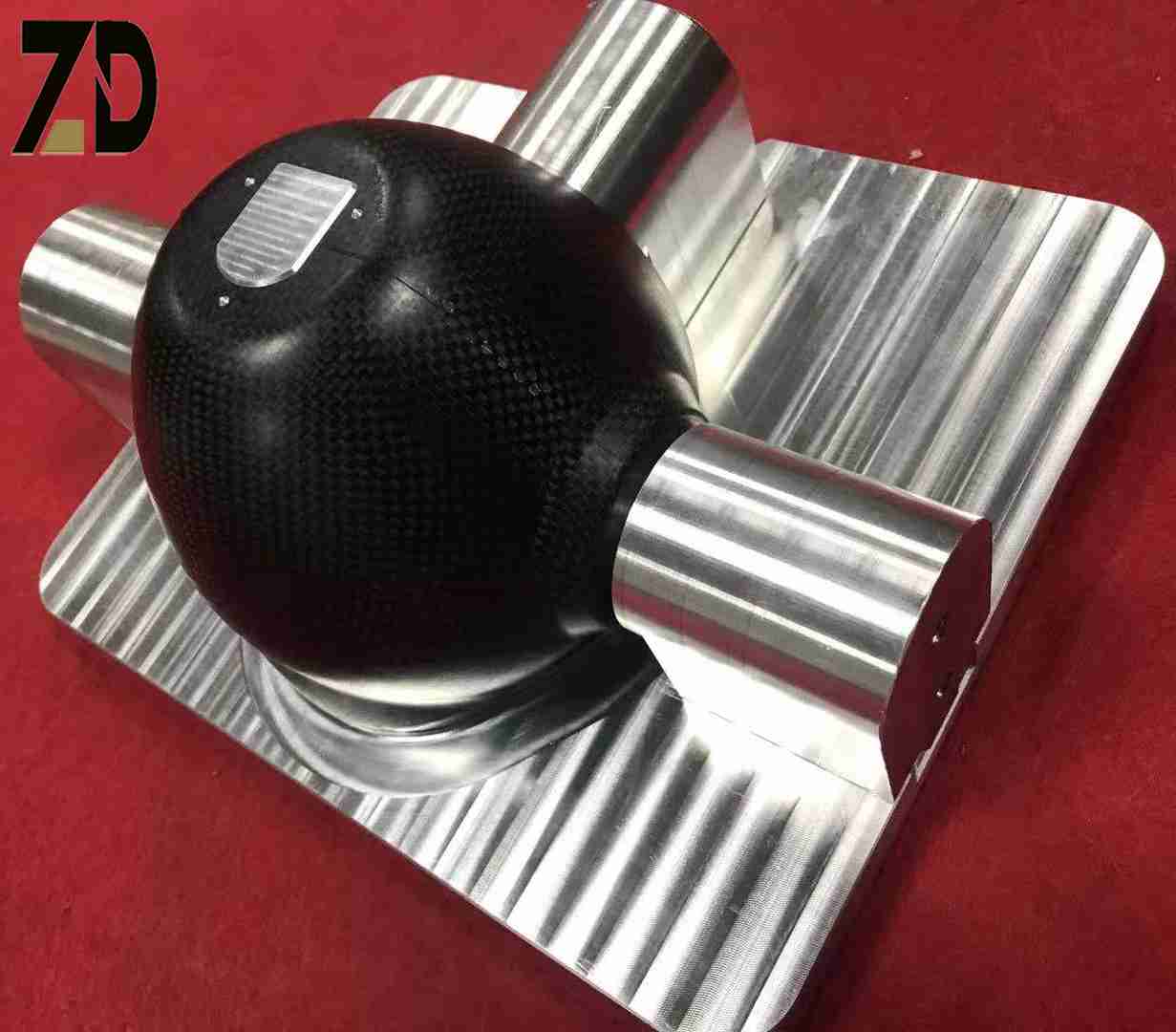
7. Application Areas
Custom aluminum parts and hardware can be adapted to many industries because the design starts with the customer's assembly rather than a fixed consumer product.
Industrial Machinery
Use custom aluminum brackets, guards, covers, mounting plates and mechanical connection parts to support equipment assembly, maintenance and component replacement. Surface finishing can be matched to visible machine areas or handling requirements.
Automation and Robotics
Aluminum hardware is commonly used in sensor brackets, end-effector interfaces, tooling plates, guide structures, cable-support components and equipment housings. The correct design must consider motion clearance, fastening, vibration and access for adjustment.
Automotive and Transportation Equipment
Custom components may include interior hardware, brackets, trim supports, enclosure parts, mounting structures and prototype components. Final material, finish and validation requirements should be confirmed according to the vehicle or equipment application.
Architectural and Building Hardware
Aluminum parts can be developed for door, window, partition, railing, facade and interior hardware projects. Visible surfaces require clear definition of polishing, brushing, color, edge treatment and allowable cosmetic marks.
Furniture and Commercial Fixtures
Custom aluminum connectors, support brackets, handles, frames and decorative hardware can be developed for furniture, retail displays, office systems and hospitality equipment.
Electronics and Electrical Equipment
Custom aluminum housings, covers, brackets, mounting plates and interface parts can support product assembly and equipment protection. If thermal, electrical insulation or electromagnetic requirements apply, they should be stated during the engineering review.
Energy and Infrastructure Equipment
Aluminum components may be used in equipment frames, protective covers, cable-management structures, mounting systems and field-serviceable assemblies. Environmental exposure, installation method and maintenance conditions should be included in the specification.
Medical and Professional Equipment
Custom hardware for professional equipment requires careful review of surface cleanliness, handling, assembly, cleaning and application-specific compliance. Any certification or validation requirement must be confirmed by the buyer before production.
8. Custom Manufacturing Workflow
Step 1: Submit Project Information
Send a 2D drawing, 3D CAD file, sample photograph, physical sample or initial concept. Include the intended application, estimated quantity, material preference and surface finish requirement when available.
Step 2: Engineering and Process Review
We review the component geometry, functional interfaces, tooling possibility, machining route, finishing requirements and information gaps. If a detail cannot be confirmed, it is listed for discussion rather than assumed.
Step 3: Quotation and Production Plan
The quotation can separate part cost, tooling or mold cost, secondary processing, surface treatment, packaging and shipping according to the project structure. Lead time and payment terms are confirmed after the technical scope is defined.
Step 4: Sample or First Article
For projects that require sampling, the first article is produced according to the approved drawing and process plan. The customer can review fit, appearance, surface quality and other defined acceptance points before wider production.
Step 5: Production and Inspection
After approval, production follows the agreed material, process, finishing and inspection requirements. Critical dimensions and cosmetic areas should be identified in advance so that inspection focuses on the parts that affect the customer's assembly and product quality.
Step 6: Packaging and Delivery
Finished components are protected according to their surface sensitivity, geometry and shipping method. Packaging details, shipping terms and documentation are confirmed as part of the order discussion.
9. What We Need for an RFQ
To evaluate a custom aluminum parts project efficiently, please provide:
If the project is still at the concept stage, a sketch and application description can be used as the starting point. The final quotation remains subject to drawing review and technical confirmation.
10. Technical Specification Framework
The following framework can be completed for each project. It is intentionally left open because aluminum grade, tolerance, finish and process depend on the customer's design.
| Parameter | Project Requirement | Confirmation Status |
|---|---|---|
| Part name | To be confirmed by drawing | Required |
| Aluminum alloy | Customer-specified or recommended after review | Required |
| Manufacturing process | CNC machining, forming, molding, casting or hybrid route | Subject to DFM review |
| Part dimensions | According to approved 2D/3D drawing | Required |
| Critical tolerance | According to functional surfaces and assembly needs | Required |
| Mold/tooling requirement | Not required, optional or project-specific | To be evaluated |
| Surface treatment | Polishing, brushing, anodizing, painting or other finish | Required |
| Hole and thread details | According to assembly drawing | Required |
| Inspection standard | Customer drawing, sample or agreed checklist | Required |
| Quantity | Prototype, trial batch and production estimate | Required |
| Packaging | Surface-protection and export-packaging requirement | To be confirmed |
| Delivery terms | Agreed with the buyer before order release | To be confirmed |
11. Quality and Communication Principles
A custom hardware project is easier to control when technical and commercial expectations are written clearly. Our project communication focuses on four principles:
This approach is suitable for European and North American buyers who need a practical supplier capable of communicating in terms of drawings, samples, interfaces and acceptance criteria. It also supports procurement teams that need to compare manufacturing routes before committing to a production program.
12. Frequently Asked Questions
Can you manufacture custom aluminum parts from our drawing?
Yes. A 2D drawing, 3D CAD file, sample or clear product reference can be used for an initial review. Production details are confirmed after the geometry, material, tolerance and finish requirements are evaluated.
Do you support mold and tooling customization?
Tooling or mold development can be evaluated for parts that are more suitable for a dedicated forming process. The decision depends on geometry, quantity, repeatability, secondary machining and target cost.
Can you provide surface polishing after machining?
Surface polishing and other finishing requirements can be included in the project scope. Please identify the visible surface, texture, gloss preference, edge condition and reference standard so the finish can be reviewed accurately.
Can you handle prototypes and production orders?
Prototype, trial-batch and production requirements can be discussed according to the part design and process route. Quantity, tooling investment, inspection scope and delivery schedule are confirmed for each project rather than assumed as a universal standard.
Which industries can use your custom aluminum components?
The service can support industrial machinery, automation, robotics, automotive and transportation equipment, architectural hardware, furniture, electronics, energy equipment, professional equipment and other applications that require drawing-based aluminum components.
What if we do not know the best manufacturing process?
Send the part drawing or application description. We can compare machining, tooling, molding and hybrid processing options at the engineering-review stage. The final route should be approved only after the project requirements are clear.
Can you provide a quotation without a complete drawing?
An initial feasibility discussion can begin with a sketch, photograph, sample or application description. A formal quotation normally requires enough information to confirm geometry, material, quantity, finishing and inspection requirements.
13. Final B2B Call to Action
Have an aluminum component, hardware part or custom mold project in development?
Send us your drawing, CAD file, product photograph or sample details. Include the application, target quantity, preferred material, surface finish and destination market if available.
Our team can help review the manufacturing route, identify missing technical information and prepare a practical OEM / ODM production discussion for your project.
Request a Custom Aluminum Parts Review