
 EN
EN


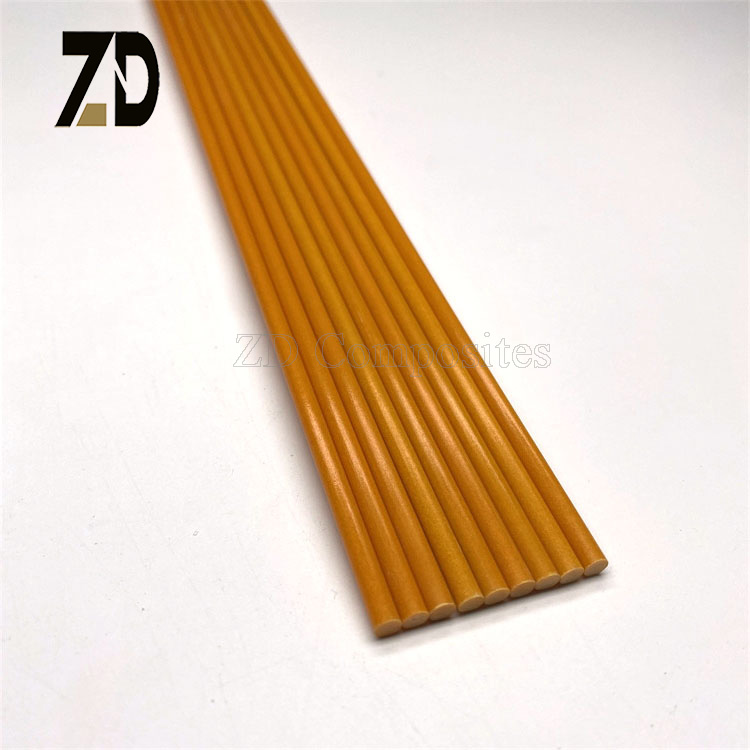
When severe weather strikes, young trees and newly planted saplings face significant threats from high winds, heavy rain, and unstable ground conditions. Traditional wooden stakes often fail under extreme conditions, leaving vulnerable trees exposed to potentially devastating damage. A fiberglass tree stake offers superior protection through advanced material properties that withstand harsh weather while providing the flexible support trees need to develop strong root systems and trunk strength.
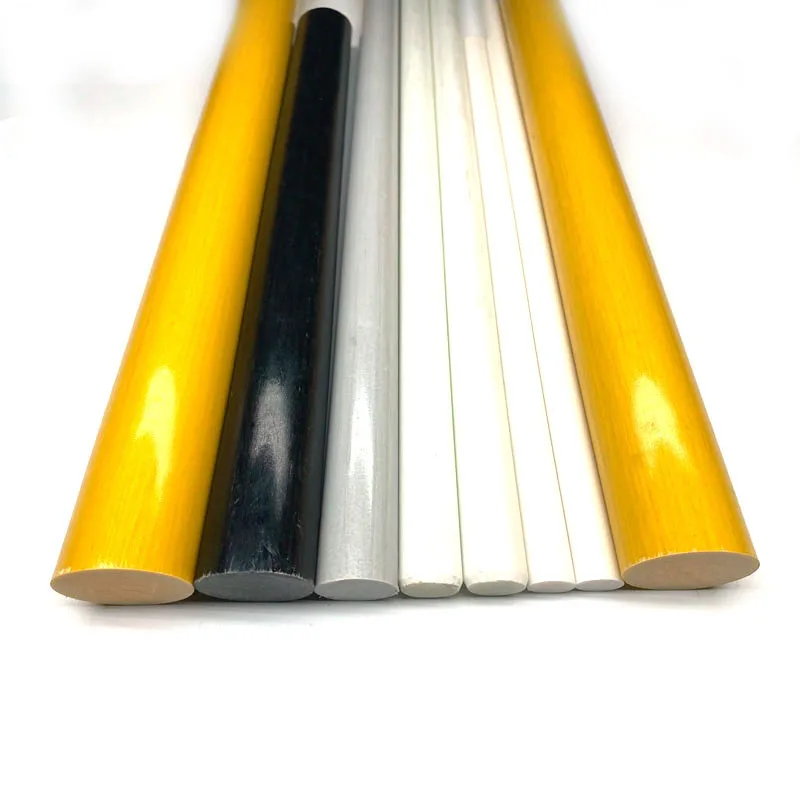
The science behind storm damage prevention involves understanding how trees respond to wind forces and ground instability. Unlike rigid support systems that can snap or break during extreme weather events, fiberglass tree stake solutions provide the optimal balance of strength and flexibility. This engineering approach allows trees to develop natural movement patterns while preventing catastrophic failure during storm conditions.
Professional arborists and landscape managers increasingly rely on fiberglass tree stake systems for critical installations where weather resilience is paramount. These applications include commercial developments, municipal plantings, and residential landscapes in storm-prone regions where traditional staking methods have proven inadequate.
Understanding Weather-Related Tree Damage
Wind Force Impact on Young Trees
Storm winds create complex stress patterns that affect different parts of a tree's structure simultaneously. Young trees with developing root systems are particularly vulnerable because their anchoring mechanisms have not yet matured to handle extreme lateral forces. A properly installed fiberglass tree stake distributes these forces more effectively than traditional materials, reducing the risk of root damage and trunk fractures.
The aerodynamics of tree canopies during storms create uplift forces that can literally pull smaller trees from the ground. This phenomenon is especially problematic in areas with loose or saturated soil conditions. Fiberglass tree stake systems address this challenge by providing deep, flexible anchoring that moves with the tree while maintaining structural integrity.
Soil Saturation and Root Stability
Heavy rainfall during storm events saturates soil, reducing its ability to provide stable anchoring for tree root systems. When combined with high winds, this creates ideal conditions for tree failure. The lightweight yet strong characteristics of a fiberglass tree stake system ensure that support remains effective even when soil conditions become compromised.
Traditional wooden stakes can actually contribute to soil instability problems by rotting underground or creating rigid pivot points that concentrate stress. Fiberglass alternatives eliminate these issues while providing consistent support throughout varying soil moisture conditions.
Material Advantages of Fiberglass Stakes
Strength-to-Weight Performance
The exceptional strength-to-weight ratio of fiberglass tree stake materials provides several critical advantages during storm conditions. This characteristic allows for deeper installation without requiring heavy machinery, while the material's inherent flexibility prevents the brittle failure modes common with other staking materials.
Fiberglass composites maintain their structural properties across wide temperature ranges, ensuring consistent performance whether storms bring extreme heat, cold, or rapid temperature changes. This thermal stability is crucial for maintaining protective support throughout seasonal weather variations and extreme weather events.
Corrosion and UV Resistance
Long-term weather exposure demands materials that resist degradation from UV radiation, moisture, and chemical exposure. A high-quality fiberglass tree stake incorporates UV-resistant surface treatments that maintain material properties for years of outdoor exposure without brittleness or strength reduction.
Unlike metal alternatives that corrode or wooden stakes that rot, fiberglass maintains its protective capabilities throughout extended exposure to rain, snow, and humidity. This durability ensures that trees receive consistent support even during multiple storm seasons without stake replacement requirements.
Installation Techniques for Storm Resistance
Proper Depth and Positioning
Strategic installation of fiberglass tree stake systems begins with understanding local soil conditions and prevailing wind patterns. The flexible nature of fiberglass allows for deeper installation depths that provide superior anchoring compared to rigid alternatives. Proper positioning involves placing stakes at angles that complement the tree's natural growth patterns while providing maximum wind resistance.
Professional installation techniques for fiberglass tree stake applications consider the mature size of the tree and anticipated wind loads. This forward-thinking approach ensures that the support system remains effective as the tree grows, eliminating the need for frequent adjustments or replacements during critical development periods.
Attachment Methods and Hardware
The connection between tree and fiberglass tree stake requires specialized hardware that maintains flexibility while providing secure attachment. Elastic ties and cushioned connections allow for natural tree movement while preventing damage to bark or cambium tissues. These attachment methods must accommodate trunk growth and seasonal expansion without creating constriction points.
Proper hardware selection includes weather-resistant fasteners and flexible ties that maintain their properties during extreme temperature variations. The goal is creating a support system that moves with the tree during normal conditions while providing firm restraint during storm events.
Comparative Analysis with Traditional Staking
Performance in Extreme Weather
Field testing demonstrates that fiberglass tree stake systems significantly outperform traditional wooden and metal alternatives during severe weather events. The material's ability to flex without breaking prevents the catastrophic failures that often occur with rigid staking systems when wind loads exceed design limits.
Long-term studies in hurricane-prone regions show that trees supported by fiberglass tree stake systems maintain higher survival rates and experience less structural damage compared to those using conventional staking methods. This performance advantage becomes more pronounced as storm intensity increases.
Maintenance and Longevity
The maintenance requirements for fiberglass tree stake installations are minimal compared to traditional alternatives. Unlike wooden stakes that require periodic replacement due to rot and insect damage, fiberglass materials maintain their structural integrity for decades with basic inspection and cleaning protocols.
Cost-effectiveness analysis reveals that while initial investment in fiberglass tree stake systems may be higher, the reduced maintenance requirements and extended service life provide superior long-term value. This economic advantage is particularly important for large-scale installations where maintenance costs can become significant.
Application in Different Tree Species
Deciduous Tree Support
Deciduous trees present unique challenges during storm seasons because their canopy characteristics change dramatically between growing seasons. A fiberglass tree stake system must accommodate both the full-leaf wind resistance of summer storms and the bare-branch dynamics of winter weather events.
Species-specific considerations include trunk flexibility, mature size, and root development patterns. Fiberglass tree stake installations can be customized to support different deciduous varieties while maintaining the flexibility needed for healthy growth patterns.
Evergreen and Coniferous Support
Evergreen trees maintain their wind-catching canopies year-round, creating consistent loading on support systems regardless of season. The persistent nature of evergreen foliage means that fiberglass tree stake systems must provide reliable support during any weather event without seasonal adjustments.
Coniferous trees often develop deep taproot systems that complement the anchoring provided by fiberglass tree stake installations. This combination creates exceptionally stable tree systems that resist both wind damage and soil erosion during severe weather events.
Installation in High-Risk Areas
Coastal and Hurricane Zones
Coastal environments present extreme challenges for tree establishment due to salt exposure, high winds, and storm surge conditions. Fiberglass tree stake systems excel in these environments because they resist corrosion from salt spray while maintaining flexibility during hurricane-force winds.
Hurricane preparedness protocols increasingly include specifications for fiberglass tree stake installations in public spaces and commercial developments. These guidelines recognize that proper tree support systems contribute to overall community resilience during major weather events.
Urban Heat Islands and Severe Weather
Urban environments concentrate weather extremes through heat island effects and wind tunnel phenomena between buildings. Trees in these locations face unique stress combinations that require robust support systems. A fiberglass tree stake provides the durability needed for urban conditions while supporting healthy tree establishment that helps mitigate environmental challenges.
City planners and landscape architects specify fiberglass tree stake systems for streetscape projects where trees must survive both daily urban stresses and periodic severe weather events. The material's performance characteristics align with municipal requirements for low-maintenance, high-performance infrastructure.
FAQ
How long should fiberglass tree stakes remain in place
A fiberglass tree stake should typically remain in place for two to three growing seasons, depending on the tree species and local growing conditions. The flexible nature of fiberglass allows trees to develop natural strength while maintaining support during vulnerable establishment periods. Regular monitoring ensures that stakes are removed once the root system provides adequate anchoring.
Can fiberglass stakes be reused after tree establishment
Yes, fiberglass tree stake materials can often be reused for multiple installations because they do not degrade like wooden alternatives. After careful removal, stakes should be inspected for any damage and cleaned before reuse. The durability of fiberglass makes this reuse economically attractive for large-scale planting projects.
What size fiberglass stake is needed for different tree sizes
Fiberglass tree stake sizing depends on the mature height and caliper of the tree species being supported. Generally, stakes should be approximately one-third the height of the tree with sufficient below-ground depth for anchoring. Professional consultation ensures proper sizing for specific applications and local wind conditions.
Do fiberglass stakes interfere with tree root development
Properly installed fiberglass tree stake systems do not interfere with healthy root development when positioned correctly outside the critical root zone. The minimal ground footprint of fiberglass stakes compared to traditional alternatives actually reduces soil compaction and allows more natural root expansion patterns during the crucial establishment period.