High-Performance Pultruded Carbon Fiber Rods - Lightweight, Durable Engineering Solutions

Get a Free Quote

Our representative will contact you soon.
Email
Name
Company Name
Message
0/1000

pultruded carbon fiber rod

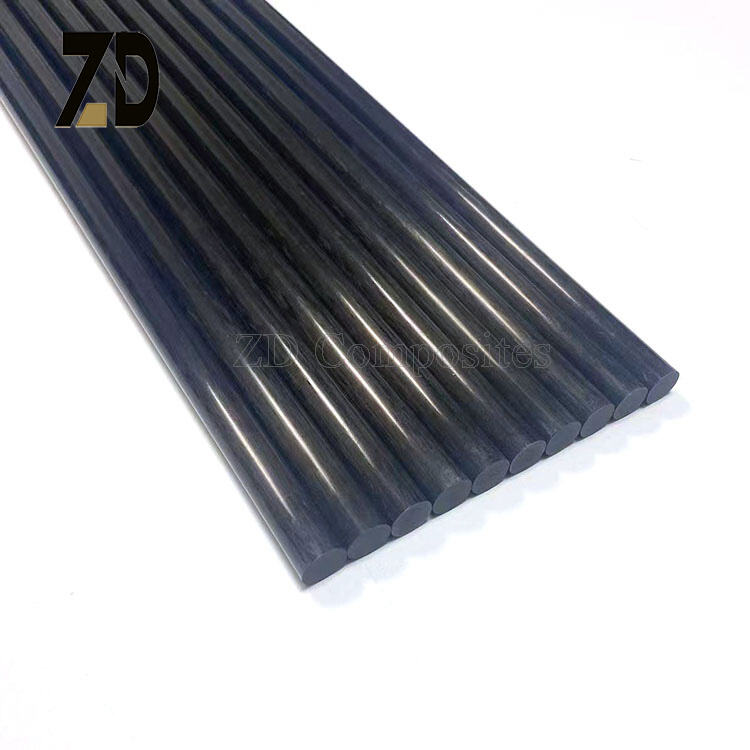
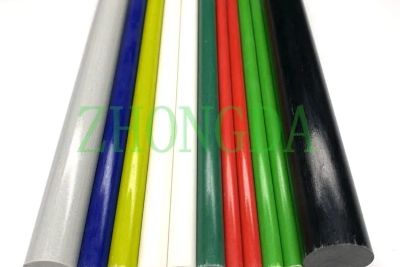
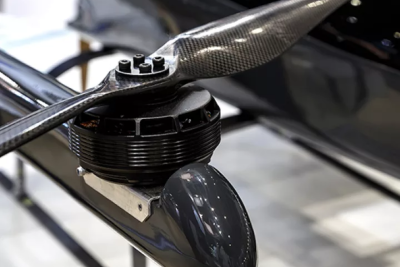
Pultruded carbon fiber rods represent a revolutionary advancement in composite material engineering, offering unprecedented strength-to-weight ratios and exceptional performance characteristics. These high-performance structural elements are manufactured through a sophisticated pultrusion process, where continuous carbon fiber strands are drawn through a heated die while being impregnated with thermosetting resin. This manufacturing technique ensures consistent cross-sectional properties throughout the entire length of the pultruded carbon fiber rod, creating a uniform and reliable structural component. The primary functions of these advanced rods include providing structural support, reinforcement, and load-bearing capabilities across diverse industrial applications. Their technological features encompass remarkable tensile strength, superior fatigue resistance, and excellent dimensional stability under varying environmental conditions. The pultruded carbon fiber rod exhibits minimal thermal expansion, outstanding corrosion resistance, and exceptional durability that surpasses traditional materials like steel and aluminum. Key applications span aerospace engineering, automotive manufacturing, construction reinforcement, sporting goods, marine structures, and industrial machinery. In aerospace applications, the pultruded carbon fiber rod serves as critical components in aircraft frames, satellite structures, and drone assemblies where weight reduction is paramount. Automotive manufacturers utilize these rods for chassis reinforcement, drive shafts, and body panels to enhance fuel efficiency while maintaining structural integrity. Construction projects benefit from their use in concrete reinforcement, bridge components, and architectural elements where long-term durability is essential. The sporting goods industry incorporates pultruded carbon fiber rods into fishing poles, golf club shafts, bicycle frames, and archery equipment. Marine applications include mast construction, hull reinforcement, and deck structures that must withstand harsh saltwater environments. Industrial machinery benefits from their use in robotics, automation systems, and precision equipment where vibration damping and dimensional accuracy are critical requirements for optimal performance.

New Products

The pultruded carbon fiber rod delivers exceptional value through its remarkable strength characteristics that significantly outperform conventional materials. These advanced rods provide tensile strength up to five times greater than steel while weighing approximately 75 percent less, making them ideal for weight-critical applications. This superior strength-to-weight ratio translates directly into improved performance, reduced energy consumption, and enhanced operational efficiency across various industries. The manufacturing process ensures consistent quality and dimensional accuracy, eliminating the variations commonly found in traditional materials. Users benefit from reduced installation costs due to the lighter weight, which requires less heavy machinery and fewer personnel for handling and positioning. The pultruded carbon fiber rod exhibits outstanding corrosion resistance, eliminating the need for protective coatings and reducing long-term maintenance expenses. Unlike steel or aluminum alternatives, these rods will not rust, oxidize, or degrade when exposed to moisture, chemicals, or harsh environmental conditions. This corrosion immunity translates into significant cost savings over the product lifecycle, as replacement intervals are dramatically extended. The material maintains its structural properties across a wide temperature range, from cryogenic conditions to elevated temperatures, making it suitable for extreme environments where traditional materials would fail. Installation benefits include ease of handling due to reduced weight, simplified joining techniques, and compatibility with standard fastening systems. The smooth surface finish reduces drag in fluid applications and provides excellent aesthetic appeal for visible installations. Electrical properties offer advantages in applications requiring non-conductive materials, eliminating concerns about electrical interference or safety hazards. The pultruded carbon fiber rod demonstrates exceptional fatigue resistance, maintaining structural integrity under cyclic loading conditions that would cause failure in metallic alternatives. This reliability reduces downtime, maintenance costs, and safety risks associated with structural failures. Environmental benefits include reduced carbon footprint during transportation due to lighter weight, longer service life reducing replacement frequency, and recyclability at end of life. Design flexibility allows engineers to optimize structures for specific load requirements while achieving weight targets impossible with traditional materials.

Tips And Tricks

How to Make a Carbon Fiber Box: Choosing the Right Prepreg, Resin & Mold

20

Oct

How to Make a Carbon Fiber Box: Choosing the Right Prepreg, Resin & Mold

View More
The advantages of fiberglass stakes

20

Oct

The advantages of fiberglass stakes

View More
Applications and advantages of carbon fiber materials in industry

27

Oct

Applications and advantages of carbon fiber materials in industry

View More

Get a Free Quote

Our representative will contact you soon.
Email
Name
Company Name
Message
0/1000

pultruded carbon fiber rod

Unmatched Durability and Longevity

Unmatched Durability and Longevity

The pultruded carbon fiber rod stands as a testament to advanced material engineering, delivering unparalleled durability that far exceeds traditional structural materials. This exceptional longevity stems from the inherent properties of carbon fibers combined with the precision manufacturing process that ensures consistent quality throughout each rod. Unlike conventional materials that deteriorate over time due to environmental exposure, the pultruded carbon fiber rod maintains its structural integrity for decades without significant degradation. The material exhibits remarkable resistance to ultraviolet radiation, preventing the brittleness and surface degradation commonly associated with prolonged sun exposure. Temperature cycling, which causes expansion and contraction fatigue in metallic materials, has minimal impact on these advanced rods due to their extremely low coefficient of thermal expansion. Chemical resistance represents another crucial advantage, as the pultruded carbon fiber rod remains unaffected by acids, bases, solvents, and other corrosive substances that would rapidly destroy steel or aluminum components. This chemical immunity proves invaluable in industrial environments, marine applications, and chemical processing facilities where exposure to aggressive substances is unavoidable. The fatigue life of these rods surpasses conventional materials by orders of magnitude, maintaining structural properties under millions of load cycles without crack initiation or propagation. This exceptional fatigue resistance translates into reduced maintenance schedules, lower replacement costs, and improved safety margins in critical applications. Impact resistance, while maintaining lightweight characteristics, provides protection against accidental damage during installation and operation. The smooth, non-porous surface resists contamination buildup and simplifies cleaning procedures, further extending service life. Dimensional stability ensures that precision tolerances are maintained throughout the operational lifetime, eliminating the need for periodic adjustments or replacements due to warping or dimensional changes. This combination of durability factors creates a compelling economic advantage through reduced total cost of ownership, making the pultruded carbon fiber rod an intelligent investment for long-term applications.
Superior Performance in Extreme Environments

Superior Performance in Extreme Environments

The pultruded carbon fiber rod excels in challenging environmental conditions where traditional materials fail to maintain their structural properties and reliability. Operating temperature ranges extend from cryogenic applications at minus 200 degrees Celsius to elevated temperatures exceeding 150 degrees Celsius, depending on resin system selection. This thermal versatility makes these rods indispensable for aerospace applications, industrial processes, and extreme climate installations where temperature variations would compromise conventional materials. Moisture absorption remains virtually negligible, preventing the swelling, weakening, and dimensional changes that plague organic materials and cause corrosion in metallic alternatives. High-altitude applications benefit from the material's stability under low atmospheric pressure and intense UV radiation, conditions that rapidly degrade many conventional materials. Underwater installations demonstrate the exceptional performance of pultruded carbon fiber rods, as they resist marine growth, saltwater corrosion, and pressure-induced deformation that destroys metallic components. Vibration damping properties provide significant advantages in dynamic environments, reducing noise transmission and preventing resonance-related failures. The material's high modulus ensures minimal deflection under load while maintaining excellent energy absorption capabilities during impact events. Electrical insulation properties prove invaluable in high-voltage environments and electronic applications where conductive materials pose safety hazards or interference concerns. Chemical processing environments benefit from the inert nature of the pultruded carbon fiber rod, which resists attack from aggressive chemicals, solvents, and process fluids that would rapidly corrode metallic alternatives. Cryogenic applications utilize the material's ability to maintain toughness and flexibility at extremely low temperatures where metals become brittle and prone to sudden failure. Nuclear environments take advantage of the radiation resistance properties, as carbon fiber composites demonstrate superior performance under neutron bombardment and gamma radiation compared to conventional structural materials. Wind loading resistance proves exceptional due to the high strength-to-weight ratio and aerodynamic properties that reduce drag forces and minimize deflection.
Cost-Effective Engineering Solution

Cost-Effective Engineering Solution

The pultruded carbon fiber rod represents a highly cost-effective engineering solution that delivers substantial economic benefits throughout its service life despite higher initial material costs. Total cost of ownership analysis consistently favors these advanced rods when factoring in reduced maintenance, extended service life, and operational advantages. Installation costs decrease significantly due to the lightweight nature of the material, requiring less heavy equipment, fewer personnel, and reduced transportation expenses. The precision manufacturing process ensures consistent dimensional accuracy, eliminating costly field modifications and reducing installation time. Design optimization opportunities allow engineers to use smaller quantities of material while achieving superior performance compared to traditional alternatives, often resulting in overall cost reductions. Maintenance savings represent perhaps the most significant economic advantage, as the pultruded carbon fiber rod requires minimal upkeep throughout its operational life. Protective coatings, periodic refinishing, and corrosion treatment become unnecessary, eliminating recurring maintenance expenses that burden conventional material systems. Replacement intervals extend dramatically, with many installations serving effectively for decades without requiring component replacement. Energy savings result from reduced structural weight in mobile applications, improved aerodynamics, and enhanced thermal properties that reduce heating and cooling costs. Insurance benefits may apply due to improved fire resistance, reduced lightning strike risks in certain applications, and enhanced structural reliability that lowers accident probabilities. Inventory management becomes more efficient as standardized pultruded carbon fiber rod products require less variety in sizing and reduce storage requirements compared to metallic alternatives that require multiple grades and protective measures. Quality consistency eliminates the costs associated with material testing, inspection, and rejection of substandard components common with traditional materials. Environmental compliance costs decrease as these rods typically require no hazardous waste disposal, chemical treatment, or special handling procedures. Productivity improvements result from faster installation times, reduced downtime for maintenance, and enhanced equipment performance enabled by superior material properties. Return on investment calculations typically show payback periods of two to five years, with continued savings extending throughout the extended service life of these advanced composite materials.

Get a Free Quote

Our representative will contact you soon.
Email
Name
Company Name
Message
0/1000