
 EN
EN


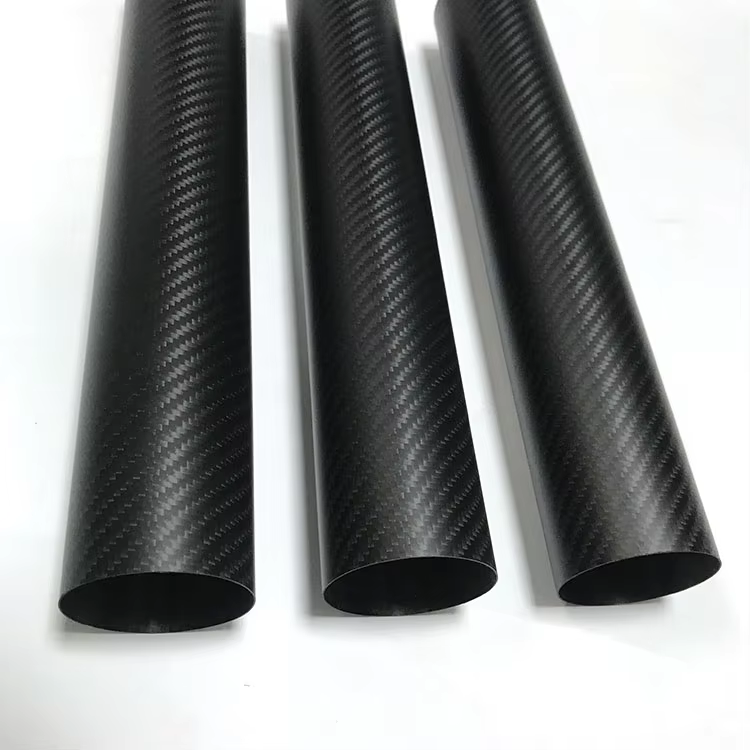
Mühendisler, çeşitli uygulamalar için daha hafif, daha güçlü ve daha dayanıklı malzemeler ararken imalat endüstrisi sürekli olarak gelişmektedir. Geleneksel metal borular, on yıllardır endüstrinin pek çok alanında sayısız amaçla kullanılmıştır; ancak ortaya çıkan kompozit teknolojileri, malzeme seçim stratejilerini yeniden şekillendirmektedir. Karbon fiber boru, geleneksel metal boru sistemlerinin en umut vaat eden alternatiflerinden birini oluşturmaktadır ve üstün mukavemet/ağırlık oranı ile korozyon direnci özelliklerine sahiptir. Bu ileri düzey kompozit yapılar, havacılık, otomotiv, denizcilik ve endüstriyel uygulamalarda tasarımcıların yapısal zorluklara yaklaşımını dönüştürmektedir. Karbon fiber boru teknolojisinin yetenekleri ve avantajları hakkında bilgi sahibi olmak, mühendislerin kritik projelerde malzeme değiştirme kararlarını bilinçli bir şekilde vermesini sağlamaktadır.
Malzeme Özellikleri ve Performans Avantajları
Olağanüstü Dayanıklılık-Ağırlık Özellikleri
Karbon fiber boru yapısı, belirli mukavemet uygulamalarında geleneksel metal alternatifleriyle kıyaslandığında sıklıkla üstün mekanik özellikler sunar. Kompozit malzeme yapısı, karbon lifleri ile polimer matris sistemlerini birleştirerek, eşdeğer çelik borulara göre %70’e varan oranlarda daha hafif olmasına karşın benzer veya daha üstün taşıma kapasitesine sahip borular üretir. Bu ağırlık azalması, taşıma uygulamalarında doğrudan verimlilik artışı, binalardaki yapısal yüklerin azalması ve dönen makine bileşenlerinde performansın artırılması gibi avantajlar sağlar. Mühendisler, genellikle tek bir karbon fiber borunun birden fazla metal bileşeni yerine kullanılabildiğini ve bu sayede montaj süreçlerinin basitleştirilebileceğini ve sistemin genel karmaşıklığının azaltılabileceğini fark eder.
Karbon fiber kompozitlerin yön bağımlı özellikleri, üreticilerin belirli yüklenme koşulları için tüp duvar yapısını optimize etmelerine olanak tanır. Tüm yönlerde eşit özellikler gösteren izotropik metallerin aksine, karbon fiber tüp tasarımları birincil yük yolları boyunca maksimum dayanım sağlayacak şekilde özelleştirilebilir; bu sayede daha az kritik alanlarda malzeme kullanımı en aza indirilebilir. Bu özelleştirme özelliği, mühendislerin geleneksel metal tüp sistemleriyle elde edilemeyecek kadar verimli yapısal çözümler oluşturmasını sağlar. Elde edilen performans artışı, genellikle sistem verimliliğindeki iyileşme ve bakım gereksinimlerindeki azalma yoluyla başlangıçtaki malzeme maliyeti farkını karşılar.
Korozyon ve Çevresel Direnç
Geleneksel metal borular, zaman içinde yapısal bütünlüklerini korumak için koruyucu kaplamalar, katodik koruma sistemleri veya nadir alaşım kompozisyonları gerektiren aşındırıcı ortamlarda önemli zorluklarla karşılaşırlar. Karbon fiber boru, çoğu kimyasal ortama doğal olarak dirençlidir ve bu nedenle birçok uygulamada koruyucu önlemlere gerek duyulmaz. Bu doğal korozyon direnci, işletme süresi boyunca bakım maliyetlerini ve denetim gereksinimlerini azaltırken servis ömrünü önemli ölçüde uzatır. Denizcilik uygulamaları özellikle bu özelliklerden büyük ölçüde yararlanır; çünkü tuzlu su maruziyeti, korunmayan metal bileşenlerde genellikle hızlı bir bozulmaya neden olur.
Sıcaklık stabilitesi, zorlu ortamlarda karbon fiber boru yapısının başka bir kritik avantajını temsil eder. Metal borular yüksek sıcaklıklarda termal genleşme sorunları yaşayabilir veya dayanımlarında azalma olabilirken, doğru şekilde tasarlanmış karbon fiber kompozitler, daha geniş sıcaklık aralıklarında boyutsal stabilite ve mekanik özelliklerini korur. Bu termal performans, sıcaklık döngüleri metal boruların bütünlüğünü tehlikeye atacağı havacılık sistemleri, endüstriyel süreçler ve otomotiv bileşenleri gibi uygulamalara olanak tanır. Kimyasal direnç ile termal stabilite kombinasyonu, karbon fiber boru çözümlerini geleneksel metal alternatifleri için hızlıca bozulmaya neden olacak sert işletme koşulları için ideal hale getirir.
Sanayi Uygulamaları ve Kullanım Örnekleri
Uzay ve havacılık sistemleri
Havacılık endüstrisi, modern uçak tasarımında kritik bir bileşen olarak karbon fiber boru teknolojisini benimsemiştir; çünkü ağırlık azaltımı doğrudan yakıt verimliliğini ve yük taşıma kapasitesini etkiler. Yapısal uygulamalar arasında, uçaktan ağırlığı en aza indirirken üstün dayanım gerektiren iniş takımları bileşenleri, kontrol yüzeyi aktüatörleri ve gövde iskeleti elemanları yer alır. Ticari uçak üreticileri, geleneksel metal boruların yapıya gereksiz kütle ekleyeceği hidrolik sistemler, pnömatik hatlar ve elektrik kanalizasyon uygulamaları için giderek daha fazla karbon fiber boru montajlarını belirtmektedir. Bu uygulamalar, malzemenin sadece sıkı havacılık güvenlik standartlarını karşılamasını değil, aynı zamanda performans avantajları sağlamasını da göstermektedir.
Uzay uygulamaları, karbon fiber boru performansı için en zorlu ortamı temsil eder; çünkü burada malzeme başarısızlığı felaket sonuçlara yol açabilir. Uydu yapıları, roket bileşenleri ve uzay istasyonu modülleri, karbon lif tüpü uzun süreli yapısal bütünlüğünü korurken aşırı sıcaklık değişimlerine, radyasyon etkisine ve vakum koşullarına dayanması gereken montajlar. Karbon fiber kompozitlerin boyutsal kararlılığı ve yorulmaya direnci, bir kez yerleştirildikten sonra onarım veya değiştirme imkânsız olduğu bu kritik uygulamalar için onları ideal hale getirir. Fırlatma aracı üreticileri, aşırı ivme ve çevresel koşullar altında güvenilir performans gerektiren yakıt sistemlerinde, yönlendirme mekanizmalarında ve yük dağıtım sistemlerinde karbon fiber boru teknolojisini kullanır.
Otomotiv ve Ulaşım Çözümleri
Modern otomotiv tasarımında, güvenlik standartlarını ve performans beklentilerini korurken yakıt verimliliğini artırmak için karbon fiber boru bileşenleri giderek daha fazla kullanılmaktadır. Şasi uygulamaları arasında, yarış araçları için devrilme kafesi yapımı yer almaktadır; burada karbon fiber boru yapılarının üstün enerji emme özellikleri, geleneksel çelik boru çerçevelerine kıyasla sürücüye daha fazla koruma sağlamaktadır. Performans araç üreticileri, ağırlık azaltımının doğrudan ivmeyi, yol tutuşunu ve frenleme performansını iyileştirdiği süspansiyon sistemlerine, egzoz bileşenlerine ve emme sistemlerine karbon fiber borular entegre etmektedir. Bu uygulamalar, gelişmiş malzemelerin hem güvenliği hem de performansı aynı anda nasıl artırabileceğini göstermektedir.
Ticari taşıma sistemleri, yapısal bileşenlerde, akışkan yönetimi sistemlerinde ve hafif çerçeve uygulamalarında karbon fiber boru kullanımından yararlanır. Otobüs ve kamyon üreticileri, yakıt verimliliğini artıran ve yük taşıma kapasitesini artıran ağırlık azaltımı sağlayan gövde yapılarında, bagaj bölmesinde ve iç destek sistemlerinde karbon fiber boru montajlarını kullanır. Demiryolu taşıma uygulamaları arasında uzun ömürlülük gerektiren ve bakım gereksinimi en aza indirgenmiş araç gövdesi yapıları, koltuk çerçeveleri ve havalandırma sistemleri yer alır. Karbon fiber boru yapısının titreşim sönümleme özellikleri, taşıma uygulamalarında yolcu konforunu artırır ve bileşen aşınmasını azaltır.
Üretim ve Tasarım Konusunda Dikkatler
Üretim Yöntemleri ve Kalite Kontrol
Yüksek kaliteli karbon fiber boru üretimi üRÜNLER geleneksel metal boru üretim yöntemlerinden önemli ölçüde farklılaşan uzmanlaştırılmış süreçler ve ekipmanlar gerektirir. Sürekli karbon fiber boru üretimi için en yaygın üretim tekniği pultrüzyondur; bu süreçte karbon fiber takviyeleri bir reçine banyosundan geçirilir ve ısıtılmış kalıp sistemiyle çekilerek sabit kesit profilleri oluşturulur. Bu süreç, üreticilerin karbon fiber boru ürünlerini boyunca hassas boyutsal toleranslarla ve homojen malzeme özelliklerine sahip olarak üretmesini sağlar. Kalite kontrol önlemleri arasında, her karbon fiber borunun belirtilen performans gereksinimlerini karşıladığını sağlamak amacıyla ultrasonik muayene, görsel inceleme ve mekanik test gibi tahribatsız muayene yöntemleri yer alır.
Filament sarma, özellikle basınçlı kaplar uygulamaları ve karmaşık geometriler için karbon fiber boru üretimi amacıyla alternatif bir üretim yaklaşımı sunar. Bu süreç, üreticilerin belirli yüklenme koşullarına göre performansı optimize etmek amacıyla lif yönünü ve duvar kalınlığı değişimlerini kontrol etmelerine olanak tanır. Elde edilen karbon fiber boru ürünleri, iç basınç uygulamaları, dış yüklenme senaryoları veya geleneksel üretim yöntemlerini zorlayan bileşik gerilme koşulları için özel olarak tasarlanabilir. Gelişmiş bilgisayar kontrollü sarım ekipmanları, karbon fiber boru yapısı boyunca tutarlı lif yerleştirimi ve reçine içeriğini sağlayarak güvenilir performans özelliklerinin elde edilmesini garanti eder.
Tasarım Optimizasyonu ve Özelleştirme
Başarılı karbon fiber tüp uygulaması, mevcut tasarımlarda metalin yerine sadece karbon fiberin konulmasını değil, kompozit malzemelerin benzersiz özelliklerinden yararlanan tasarım yaklaşımları gerektirir. Lif yönü optimizasyonu, mühendislerin belirli yüklenme koşulları için karbon fiber tüp özelliklerini özelleştirmesine olanak tanır; bu da daha az malzeme kullanarak metal alternatiflerden üstün yapılar oluşturmayı sağlar. Duvar kalınlığı değişiklikleri, lif döşeme sıralamaları ve reçine sistemi seçimi, belirli gereksinimleri karşılayan özelleştirilmiş performans özelliklerine katkıda bulunur. uygulama bu tasarım esnekliği, mühendislerin geleneksel metal şekillendirme teknikleriyle üretimi imkânsız olan karbon fiber tüp çözümleri oluşturmasını sağlar.
Birleşim tasarımı, karbon fiber tüp bileşenlerinin daha büyük montajlara entegre edilmesi sırasında kritik bir husustur; çünkü geleneksel kaynak yöntemleri kompozit yapılara uygulanamaz. Mekanik bağlantı elemanları, yapıştırıcı bağlama ve hibrit bağlantı yöntemleri, karbon fiber tüp bölümleri ile diğer yapısal elemanlar arasında yükleri etkili bir şekilde aktarmak amacıyla dikkatle tasarlanmalıdır. Modern bağlantı teknolojileri arasında kalıba yerleştirilmiş metal takviyeler, eşzamanlı olarak katılaştırılan (co-cured) bağlantı noktaları ve ikincil yapıştırma ile oluşturulan birleşim sistemleri yer alır; bu sistemler, genel yapının dayanıklılığını ve güvenilirliğini korur. Bu gelişmiş birleştirme yöntemleri, karbon fiber tüp yapımının avantajlarını en üst düzeye çıkaran karmaşık montajların gerçekleştirilmesini sağlarken aynı zamanda güvenilir kullanım performansını da garanti eder.
Maliyet Analizi ve Ekonomik Faydalar
İlk Yatırım Konuları
Karbon fiber boru ürünlerinin başlangıç malzeme maliyeti, genellikle maliyet duyarlı uygulamalarda uygulanmasını haklı çıkarmak için dikkatli bir ekonomik analiz gerektiren, karşılaştırılabilir metal alternatiflerin maliyetini aşar. Ham madde maliyetleri, üretim karmaşıklığı ve özel takımlara yönelik gereksinimler, uzun vadeli performans avantajlarına kıyasla tartılması gereken daha yüksek başlangıç maliyetlerine katkıda bulunur. Ancak sistem düzeyinde yapılan maliyet analizi, ağırlık azaltımı, verimlilik artışı ve bakım gereksinimlerindeki azalma yoluyla önemli tasarrufların ortaya çıkmasına sıklıkla neden olur; bu tasarruflar, başlangıçtaki malzeme primini telafi eder. Birçok uygulamada, yakıt verimliliğindeki iyileşme, yapısal yüklerdeki azalma veya geliştirilmiş performans yetenekleri sayesinde ilk işletme yılında maliyet eşitliği veya tasarruf sağlanır.
Karbon fiber boru üretim hacimlerinin artması ve işlem teknolojilerinin olgunlaşmasıyla birlikte üretim ekonomisi sürekli olarak iyileşmektedir. Otomatikleştirilmiş üretim yöntemleri, ham madde kullanım verimliliğindeki iyileşmeler ve ölçek ekonomileri, karbon fiber ile metal alternatifleri arasındaki maliyet farkını birçok uygulamada azaltmaktadır. Karbon fiber boru teknolojisini erken benimseyen şirketler, ürün performansında iyileşme, işletme maliyetlerinde azalma ve çevresel sürdürülebilirlikte artış gibi avantajlar sağlayarak başlangıç yatırımını haklı çıkaracak rekabetçi üstünlükler kazanmaktadır. Yakıt maliyetlerinin, bakım harcamalarının ve düzenleyici gereksinimlerin hafif, dayanıklı çözümleri desteklemesiyle karbon fiber boru uygulamasının ekonomik gerekçesi giderek daha ikna edici hâle gelmektedir.
Yaşam Döngüsü Maliyet Avantajları
Karbon fiber boruların uygulanmasının uzun vadeli ekonomik avantajları, bakım maliyetlerinde azalma, kullanım ömrünün uzaması ve işletme verimliliğinde iyileşme yoluyla başlangıçta oluşan maliyet primini sıklıkla aşar. Karbon fiber boru yapısının korozyon direnci özellikleri, metal boru tesisatlarının karakteristik özelliklerini oluşturan koruyucu kaplamaların, katodik koruma sistemlerinin ve periyodik değiştirme döngülerinin kullanımını ortadan kaldırır. Denizcilik, kimya endüstrisi ve altyapı uygulamalarında çevresel etkilere maruz kalınması nedeniyle metal alternatiflerin hızla bozulacağı durumlarda bakım maliyetlerindeki azalmalar önemli düzeyde olabilir. Bu tasarruflar, tesisatın kullanım ömrü boyunca birikir ve genellikle toplam sahiplik maliyeti açısından önemli avantajlar sağlar.
Karbon fiber boruların ağırlık azaltılması sayesinde sağlanan enerji verimliliği iyileştirmeleri, taşıma, havacılık ve dönen makine uygulamalarında zaman içinde biriken sürekli işletme tasarrufları sağlar. Yakıt tüketimindeki azalmalar, güç gereksinimlerindeki düşüşler ve performans özelliklerindeki iyileşmeler, ekipmanın kullanım ömrü boyunca devam eden işletme maliyeti tasarruflarına katkıda bulunur. Daha düşük emisyonlar, geri dönüştürülebilirlikteki iyileşme ve uzatılmış kullanım ömrü gibi çevresel faydalar, kurumsal sürdürülebilirlik hedefleriyle uyumlu olmakla birlikte ölçülebilir ekonomik getiriler de sağlar. Performans iyileştirmeleri ile maliyet tasarruflarının birleşimi, ileri görüşlü kuruluşlar için karbon fiber boru teknolojisini, gelişmiş malzemelerin uygulanması yoluyla rekabet avantajı elde etmeyi amaçlayan bir çözüm olarak giderek daha çekici hale getirir.
SSS
Metal boruların karbon fiber borularla değiştirilmesinin temel avantajları nelerdir?
Karbon fiber tüpler, ağırlıkta %70'e varan azalma, üstün korozyon direnci ve özelleştirilebilir mukavemet özellikleri gibi metal alternatiflere kıyasla birkaç önemli avantaj sunar. Karbon fiber tüp yapısının hafifliği, ulaşım uygulamalarında yakıt verimliliğini artırır, binalardaki yapısal yükleri azaltır ve dönen makinelere yönelik performansı artırır. Ayrıca karbon fiber tüpler, koruyucu kaplamalara gerek duyulmadan çoğu kimyasal ortama dayanır; bu da kullanım ömrünü uzatır ve metal alternatiflere kıyasla bakım maliyetlerini düşürür.
Karbon fiber tüpler yüksek sıcaklık ortamlarında nasıl davranır?
Uygun şekilde tasarlanmış karbon fiber boru sistemleri, birçok metal alternatife kıyasla daha geniş sıcaklık aralıklarında boyutsal kararlılığı ve mekanik özelliklerini korur. Belirli sıcaklık sınırları kullanılan reçine sistemine bağlı olsa da karbon fiber borular, termal genleşme sorunlarına neden olabilecek sıcaklık dalgalanmalarına maruz kalan uygulamalarda genellikle iyi performans gösterir. Gelişmiş reçine sistemleri, karbon fiber boruların yüksek sıcaklıkların metal boruların bütünlüğünü tehlikeye atabileceği havacılık, otomotiv ve endüstriyel uygulamalarda kullanılmasını sağlar.
Karbon fiber boruların üretiminde hangi imalat süreçleri kullanılır?
Karbon fiber boru üretiminin iki temel imalat yöntemi, pultrüzyon ve filament sarma yöntemleridir. Pultrüzyon yöntemi, karbon fiber takviyelerini bir reçine banyosundan ve ısıtılmış kalıp sisteminde geçirerek kesintisiz ve sabit kesitli profiller elde etmeyi içerir. Filament sarma yöntemi ise bilgisayar kontrollü ekipmanlar kullanarak reçine ile impregnasyonu yapılmış lifleri bir mandrel etrafına sarar; bu sayede lif yönlemesi ve duvar kalınlığı üzerinde hassas bir kontrol sağlanır. Her iki süreç de üreticilere, uygulama gereksinimlerine göre özel performans özelliklerine sahip karbon fiber borular üretmelerini sağlar.
Karbon fiber borular, metal alternatiflere kıyasla daha mı pahalıdır?
Karbon fiber tüpler için başlangıç malzeme maliyetleri genellikle metal alternatiflerden daha yüksektir; ancak sistem düzeyinde yapılan analizler, performans artışı, bakım ihtiyacının azalması ve kullanım ömrünün uzaması yoluyla maliyet tasarrufu sağlayabileceğini göstermektedir. Taşıma uygulamalarında ağırlık azaltmasından kaynaklanan faydalar, sürekli yakıt tasarrufu sağlamaktadır; aynı zamanda korozyon direnci, zorlu ortamlarda kaplama ve yenileme maliyetlerini ortadan kaldırmaktadır. Üretim hacimlerinin artması ve işlem teknolojilerinin gelişmesiyle birlikte üretim maliyetleri de sürekli düşmektedir; bu da karbon fiber tüp çözümlerini geleneksel metal seçeneklerle giderek daha rekabetçi hale getirmektedir.